
The Florida court system makes changes to the state’s gun laws, and Gov. Ron DeSantis signs 15 bills while vetoing three others.

Court decisions pave way for change in gun laws across the state
Florida’s gun rules are shifting after a series of court decisions impacted long-standing state restrictions.
Florida Attorney General James Uthmier, not GOP lawmakers, is working to pave the way.
There is a series of decisions in cases where Uthmeier, a Second Amendment advocate, chose not to defend some of Florida’s existing gun restrictions.
As a result, Florida is now moving toward fewer limits on who can carry a gun, along with fewer limits on how they can purchase or carry those firearms.
“So here in Florida, we’re not going to violate the Second Amendment. These are important rights. The Founders put it. Number two, I think for good reason,” Uthmeier said.
Notably, these changes are coming through the courts rather than from Florida lawmakers.
Going through the courts on this issue is a strategy of at least one gun rights group in the state.
“Our lawmakers claim they’re pro-gun. They never pass anything pro-gun. That’s why we, as a collective community, gun owners have been challenging these anti-gun laws through the courts. And we’re winning,” Luis Valdes with Gun Owners of America said.
Perhaps the most visible change in Florida is open carry. Concealed carry is now opening up to young adults as well, the result of a judge’s order.
“Restricting 18- to 20-year-olds … from rights to self-defense would make the Second Amendment a ‘second-class’ right,” Florida Judge Spencer D. Levine wrote in his opinion.
Most recently, the state opted not to defend Florida’s three-day wait period to purchase a firearm.
That’s despite Florida voters in 1990 approving that gun-buying requirement for handguns.
“Our esteemed attorney general, who’s never been elected, who’s never been about in the ballot, has basically unilaterally decided that he is no longer going to defend certain laws because he has decided that he doesn’t have to or that he doesn’t want to,” State Rep. Dan Daley said.
Pro 2A group Gun Owners of America says there are more challenges to come.
The group says it’s looking to go after the ban on bump stocks and campus carry, plus Florida’s red flag laws too.
DeSantis vetoes e-bike safety bill
Gov. Ron DeSantis issued his first bill vetoes late Thursday evening.
One of the bills the governor rejected received a significant degree of bipartisan support.
The bill, SB 382, would have regulated e-scooters and e-bikes, creating a speed limit of 10 miles an hour around people walking.
The bill also would have created a task force to enforce the new rules.
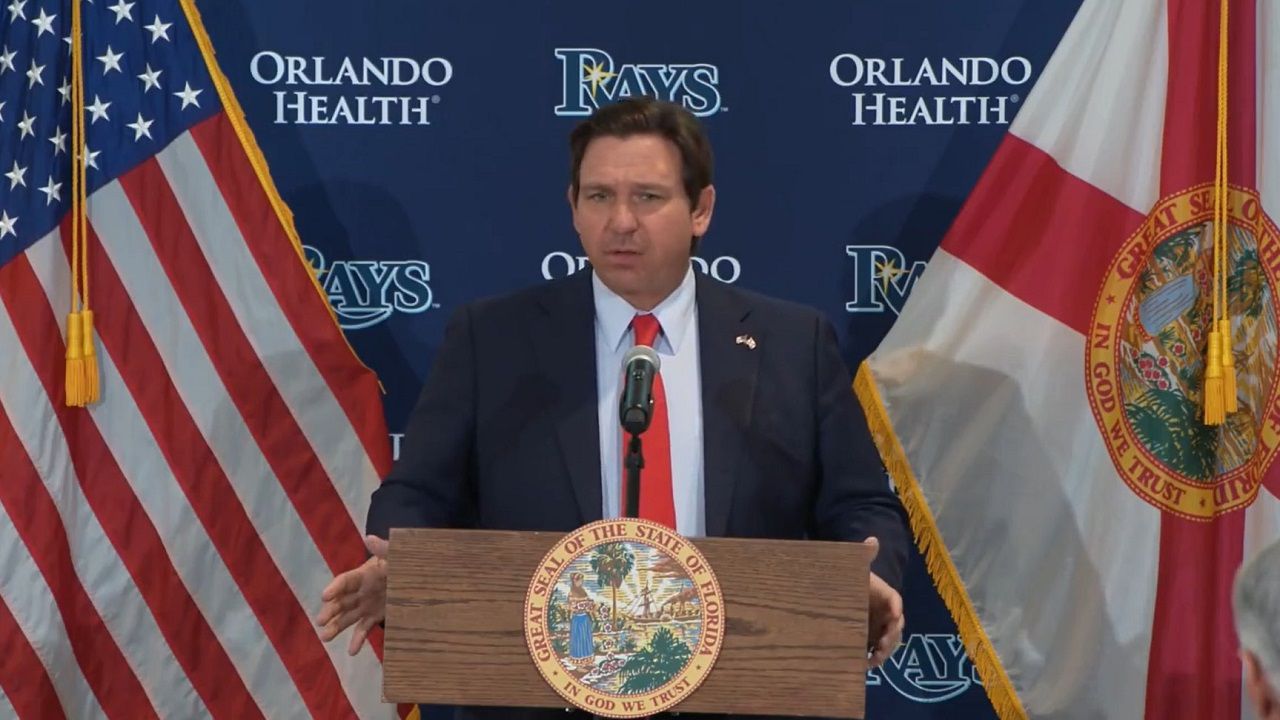
During a press conference in Lakeland the governor was asked about the veto, where he called the move “a bit of an overreach” on the legislature’s part.
“So they did a bill on e-bike regulations. And maybe there are problems. But what it will lead to is more surveillance of people by law enforcement. And we don’t need that. I think that there was problems with it. They also set up an e-bike task commission. But it’s like, okay, you’re already substantively legislation, why do a commission? If you’re doing a commission, they can do other things. So I thought it would have some unintended consequences. But certainly I don’t want to do anything that’s going to lead to more surveillance. I understand there’s law enforcement. But do we really want to have policing of e-bikes, and are you going 10 miles or 8 miles? I think it was a little bit of an overreach,” DeSantis said Friday.
The bill got unanimous support in the legislature as lawmakers responded to a recent increase in the number of young people getting injured riding e-bikes.
In addition to the e-bikes bill, DeSantis also vetoed two other bills.
One of them would have allowed high schoolers to volunteer at polling places in exchange for community service hours.
The last bill applied to funding for the town of Davie in South Florida.
DeSantis signed 15 other bills into law, including a dental care program for veterans.
Another bill requires cities to accept online payments, and he signed a bill expanding cybersecurity education at Florida colleges and universities.