
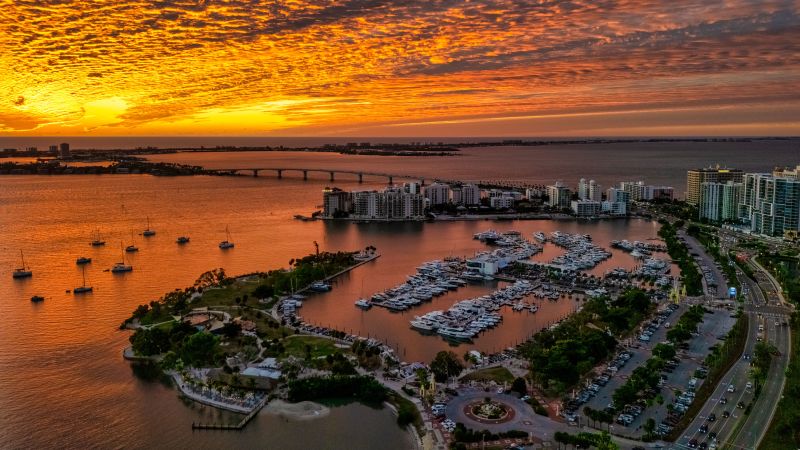
Sarasota, Florida —
Florida leans hard into sun, sand and surf. But Sarasota has way more more going for it than just its beautiful beaches
Sarasota County is branded as the Sunshine State’s “Cultural Coast.”
It was those cultural credentials that proved irresistible to Tammy Hauser, a 62-year-old self-described “arts person.”
Hauser was sitting at a French bakery in Sarasota enjoying a croissant when she called her daughter, back home in Minneapolis, to let her know she was moving to the Gulf Coast city.
“I said ‘I found it. I found a town that has so many interesting aspects to it. Plus, it’s beautiful, plus it’s on the water, plus it has a downtown,” recalled Hauser of the 2014 visit.
She had been looking for a town to move to with great theater, music, dance and other cultural offerings, nurtured by a supportive community. And she wanted a “smaller town with a nice central downtown Main Street area.”
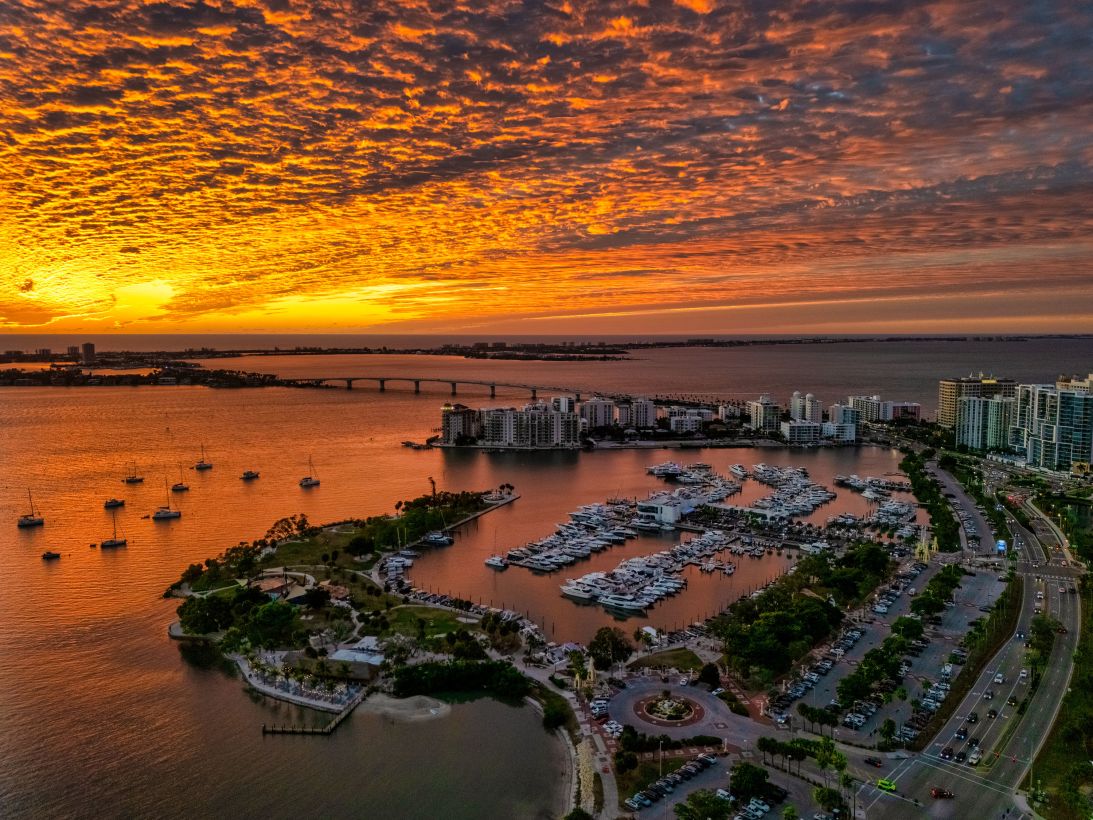
There’s all of that and more in Sarasota, a mid-size city home to roughly 60,000 people, about an hour’s drive south of Tampa.
Calling Sarasota Florida’s “Cultural Coast” is no exaggeration, said Brian Hersh, CEO of the Arts and Cultural Alliance of Sarasota County.
“I think what can surprise you is when you come down here, that there is absolutely incredible artistic excellence. Some things that you can see here, you would maybe not see anywhere else, or only see in a major metropolitan area,” said Hersh, who lived in New York City and worked at Lincoln Center before moving to Sarasota 18 years ago.
And the gorgeous beaches at Sarasota’s doorstep deliver sun, sand and surf, too.
An arts and culture heavy-hitter
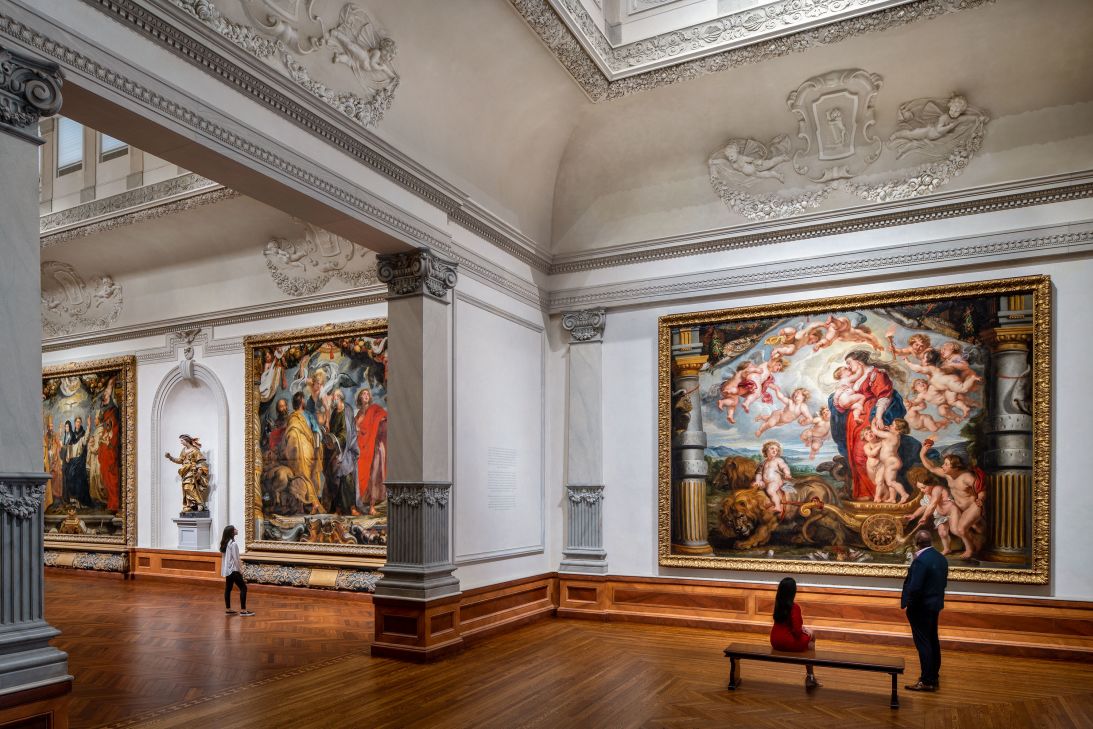
At the city’s cultural heart and the inspiration for much of the creativity spawned here is the official art museum of the state of Florida, The John and Mable Ringling Museum of Art. But the complex that sprawls across acres of verdant waterfront just north of downtown Sarasota is far more than an art museum.
The location was originally the winter residence for circus magnate John Ringling, who left his estate and art collection to the state of Florida when he died in 1936 — and to whom Sarasota owes much of its cultural evolution.
MORE AMERICA’S BEST TOWNS TO VISIT 2026
Together with his wife, Mabel, Ringling had purchased the property in 1911 on Sarasota’s waterfront to build their future residence in what was then little more than a fishing village. In 1927, Ringling officially made the town the winter headquarters for his Ringling Bros. and Barnum & Bailey Circus, which traces its roots to Wisconsin. The operation — along with hundreds of circus performers and animals — moved south to Florida from its previous base in Connecticut.
Today, the couple’s former estate is The Ringling, a 66-acre complex on Sarasota Bay that is home to a Museum of Art housing Baroque and Renaissance collections (including one of North America’s largest collections of paintings by Flemish master Peter Paul Rubens) within the original 21 galleries. A pavilion featuring studio glass, an Asian art center and other galleries are part of the complex as well.
There’s also a Circus Museum on the estate housing historical and modern memorabilia, circus art and the world’s largest to-scale circus model.
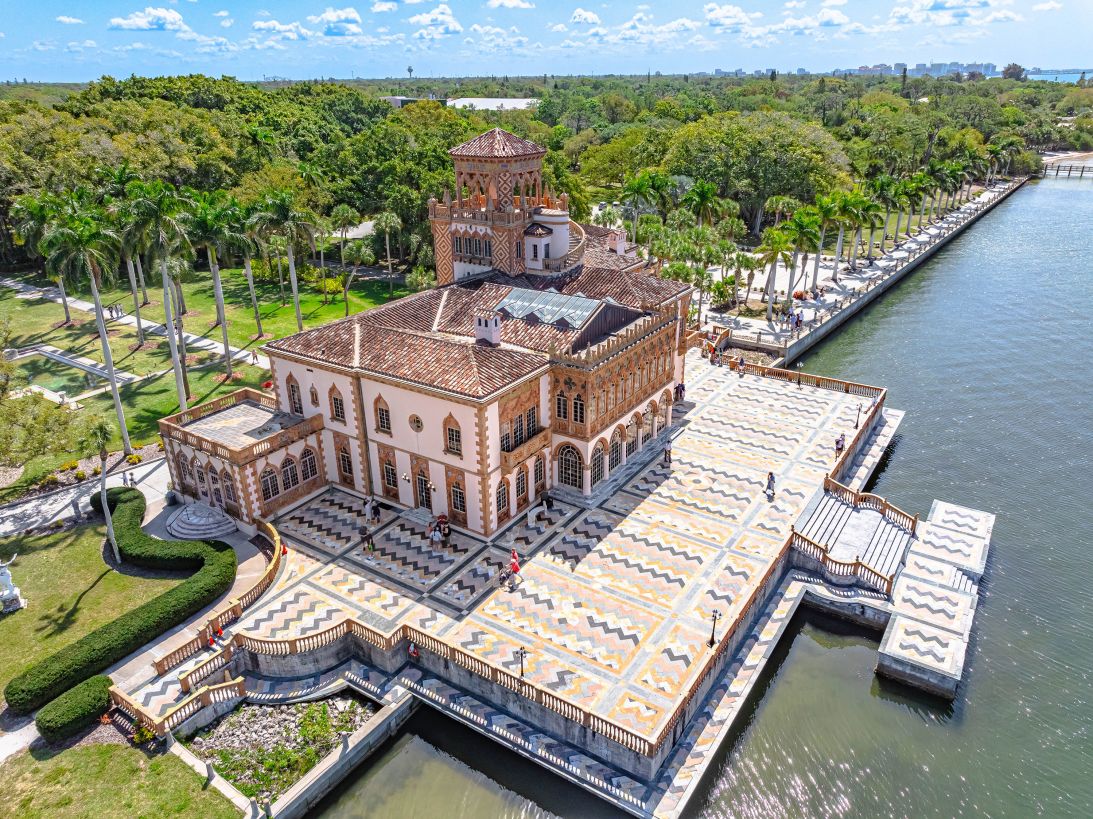
The lavish Venetian-Gothic mansion Ca’ d’Zan is a striking centerpiece. The couple’s former winter residence, spanning 36,000 square feet and 56 rooms, was built in 1926 and features ornate painted cypress ceilings and colored glass window panes.
Among Sarasota’s many other cultural institutions are the Sarasota Opera, Sarasota Orchestra, the only professional ballet company on Florida’s Gulf Coast, the Asolo Repertory Theatre, a contemporary dance company and a contemporary black box theater.
Add to that, too, the Sarasota Art Museum, a contemporary gallery that occupies a 1926 Gothic building and modernist annex on the Ringling College of Art + Design’s campus.

Recently, the city’s chamber music ensemble, ensembleNewSRQ , performed Steve Reich’s “Music for 18 Musicians” at the Sarasota Opera House to mark the 50th anniversary of the piece around the composer’s 90th birthday.
“When I experienced this work, I realized, in that moment, that this is the kind of thing that you would only debut in New York City,” Hersh said. “That’s the only kind of place where you would see something like this. And here it was in Sarasota, with a crowd that was just lapping it up.”
It’s thanks to Ringling that Sarasota evolved into a place of wealth, sophistication and the arts, Hauser said.
“He really gave so much to Sarasota that people are still appreciating today,” she said, noting that in addition to signing over his entire art collection to the state, John Ringling built the first bridge across Sarasota Bay to connect the city to its barrier islands or “keys,” including St. Armands Key and adjacent Lido Key.
St. Armands Circle, Sarasota’s main shopping area that’s lined with cafes and home to the city’s oldest restaurant, Columbia, was also John Ringling’s creation.
Laid out in the shape of a wagon wheel to commemorate the circus, Ringling originally developed the circular plaza as Harding Circle when he was trying to entice President Harding to have his winter White House in Sarasota, said Hauser. While he didn’t lure Harding, the circle today draws pedestrians, window shoppers and people watchers to its sidewalk cafes, resort-wear boutiques and watering holes.
A short stroll away, fronting the beach at Lido Key, is the circus-themed Cirque St. Armands Beachside hotel and its Ringside Restaurant, which pay homage to Ringling’s circus lore with an evocative under-the-big-tent theme.
Hauser’s company, Discover Sarasota Tours, leads tours that dive into more of the town’s circus lore, architectural highlights and other themes. The company grew out of consulting work Hauser was doing with what’s now called Architecture Sarasota and her surprise that the tourist destination didn’t have tours focused on its standout architecture.
She then added circus-themed tours that explore landmarks and the history of the greatest showmen who once lived in the city.
Beyond Sarasota’s circus history, visitors are often surprised to see Amish people pedaling large-wheeled tricycles and bikes on Sarasota’s streets during the winter season, when they head south for sunshine and a break from farming in states like Ohio, Pennsylvania and Indiana.
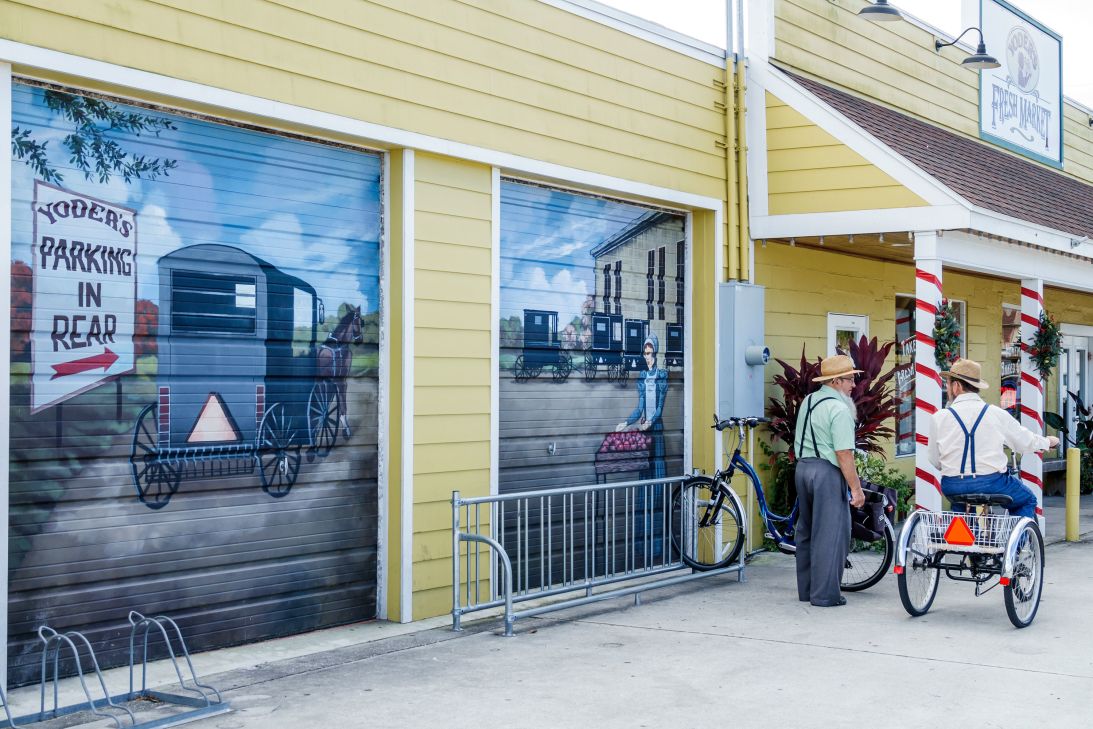
A few miles east of downtown Sarasota, the historic neighborhood of Pinecraft has attracted Amish and Mennonite visitors since the 1920s for a winter warmup.
“The only place in the world they come to vacation en masse is here in Sarasota,” said Hauser, referring to the months of winter and early spring when thousands of Amish and Mennonite visitors arrive. From November to April, tourists can head out with her company on 90-minute Amish Experience tours that hit places like Der Dutchman Amish Kitchen Cooking, known for its “barn raising buffets” for lunch and dinner, and Alma Sue’s quilt shop.
“I think the thing that’s so interesting about Sarasota is the juxtaposition of all of these different elements. Amish, circus, the arts, natural beauty, tourism, the attractions,” said Hauser.
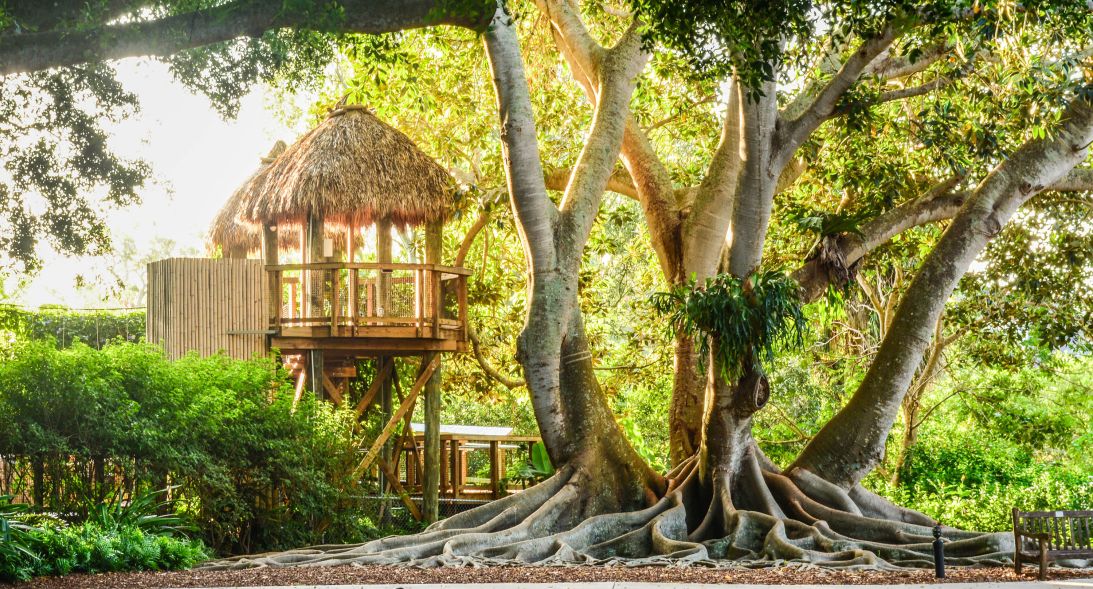
In Sarasota, nature can be enjoyed in carefully curated or entirely wild environments.
Marie Selby Botanical Gardens in the heart of downtown spans 15 acres on the bayfront and houses what’s considered the best living plant collection of warm-tropical epiphytes, including native Florida ferns, orchids and bromeliads as well as global varieties that are among some of the rarest plants in the world.
Following a multi-million-dollar expansion (the first in a multi-phase plan), the site debuted as the world’s first net-positive botanical gardens in 2024, generating more renewable energy than they consume. Visitors can take guided tours here to see how baby orchids are germinated in the orchid seed lab and view rare spirit-preserved plant specimens within the gardens’ vast collection, paired with lunch or brunch at The Green Orchid. This solar-powered onsite restaurant serves dishes like Korean lettuce wraps and Cobb salad made using produce from the rooftop organic garden .
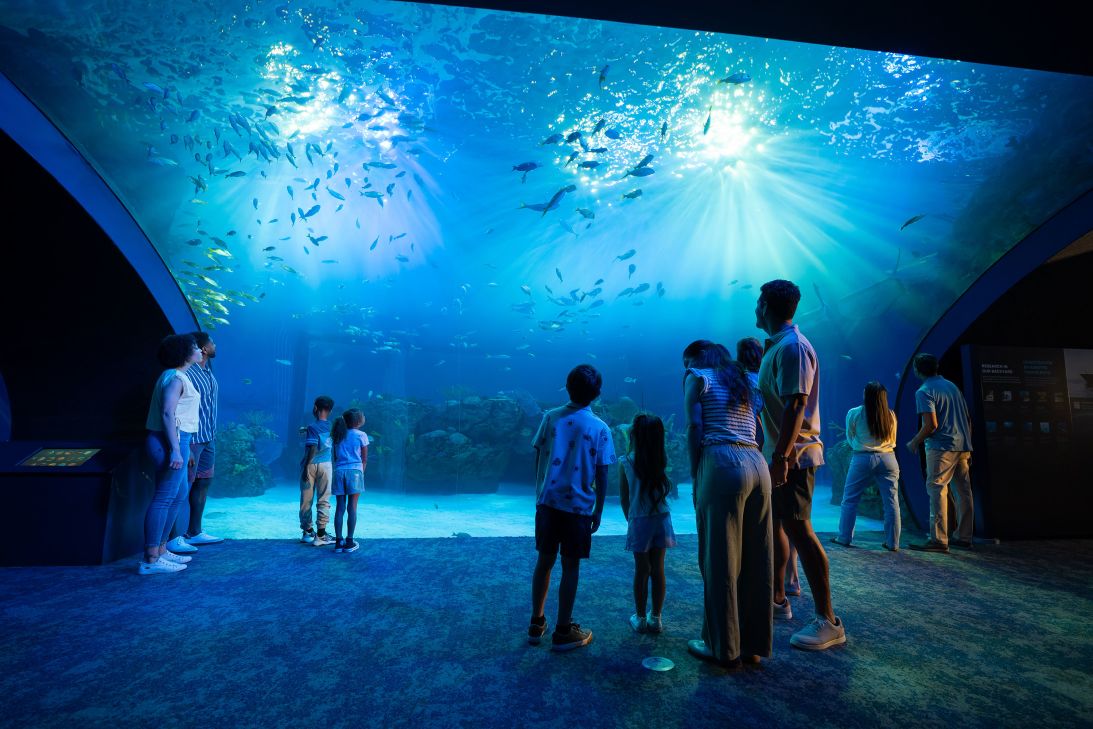
The wondrous water worlds of Sarasota Bay, the Gulf of Mexico and other ocean environments come to life at the new Mote SEA (Mote Science Education Aquarium), which opened in October 2025 about 9 miles northeast of downtown Sarasota.
“When we look at our waterways, both coastal and inlets are really a central part of the community’s identity,” said Kevin Cooper, the aquarium’s vice president for communications and strategic initiatives.
Sarasota Bay’s seagrass beds, a favorite place for manatees to feed, are a critical part of the ecosystem and a “bellwether area for the health of the coastal ecology here in the area,” he said.
In addition to state-of-the-art STEM teaching laboratories, the new facility houses an Indo-Pacific Gallery, a colony of Humboldt penguins and a 400,000-gallon Gulf Coast Gallery where visitors can see sharks, rays and sea turtles as well as stroke stingrays in a touch tank. Rescued manatee Lou, who lost part of his tail in a boat strike in 2000, is also at home here.
That said, often all you have to do to see manatees, dolphins and other Gulf Coast creatures in this stretch of Florida is head out to one of Sarasota County’s 35 miles of barrier island white sand beaches in places like Manasota Key, Siesta Key, Lido Key or Longboat Key.
Longboat Key is about 15 minutes from downtown Sarasota and is also a favorite escape for daytrippers from Tampa that’s a more low-key alternative to St. Pete Beach and Clearwater Beach to the north. There’s a mix of Gulf-front accommodations that run the budget range, from the luxurious new St. Regis Longboat Key Resort to smaller mom and pop-style motels that have been here for decades like the recently refurbished SeaHorse Beach Resort, originally built in 1960.
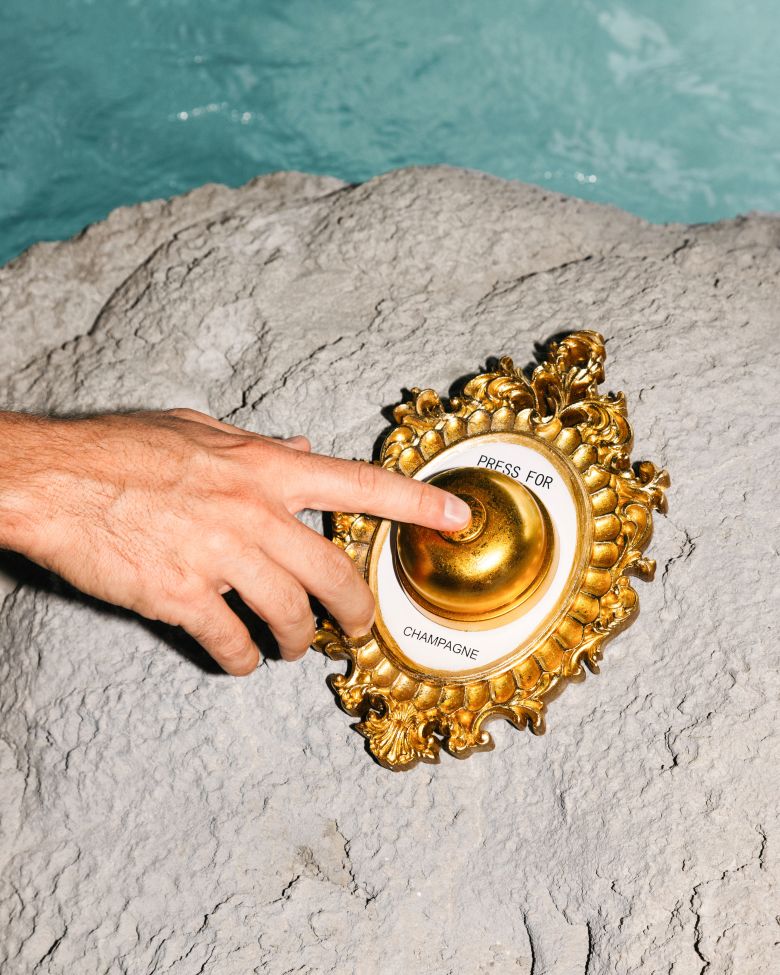
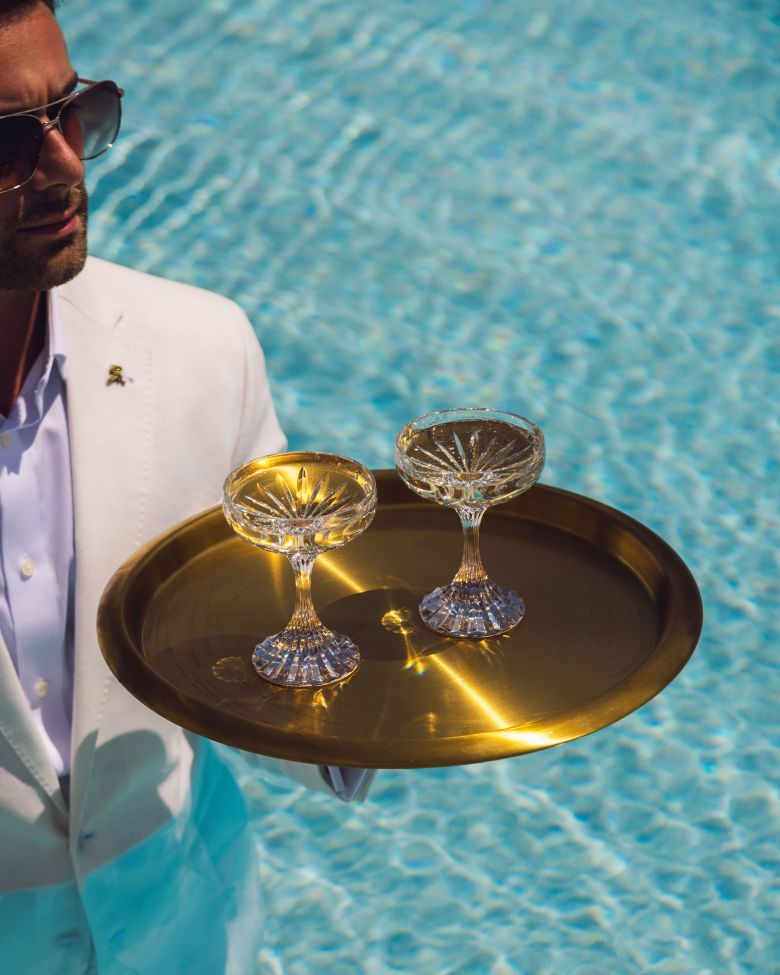
Any visit to Longboat Key should include raising something cold to drink — perhaps a Hugo Spritz or mojito — and sampling a grouper sandwich or blackened grouper tacos at Dry Dock Waterfront Grill, where alfresco tables overlook Sarasota Bay (a playground for eco tours and dolphin cruises) and egrets stalk the breakwater. Just be sure to make it down to the sand on the beach side of the Key when the sun starts sinking toward the Gulf of Mexico at the end of the day.
It’s having the best of both worlds — natural and cultural — that might be the best thing of all about Sarasota.
“So you can go chill on those beautiful beaches that you like. But you can also then go to a really modern performance or exhibition,” said Hersh.
“You know, you can’t really do that in New York. You’re just not going to unplug in New York in the same way.”
A New England oasis with a century-old pizza scene