
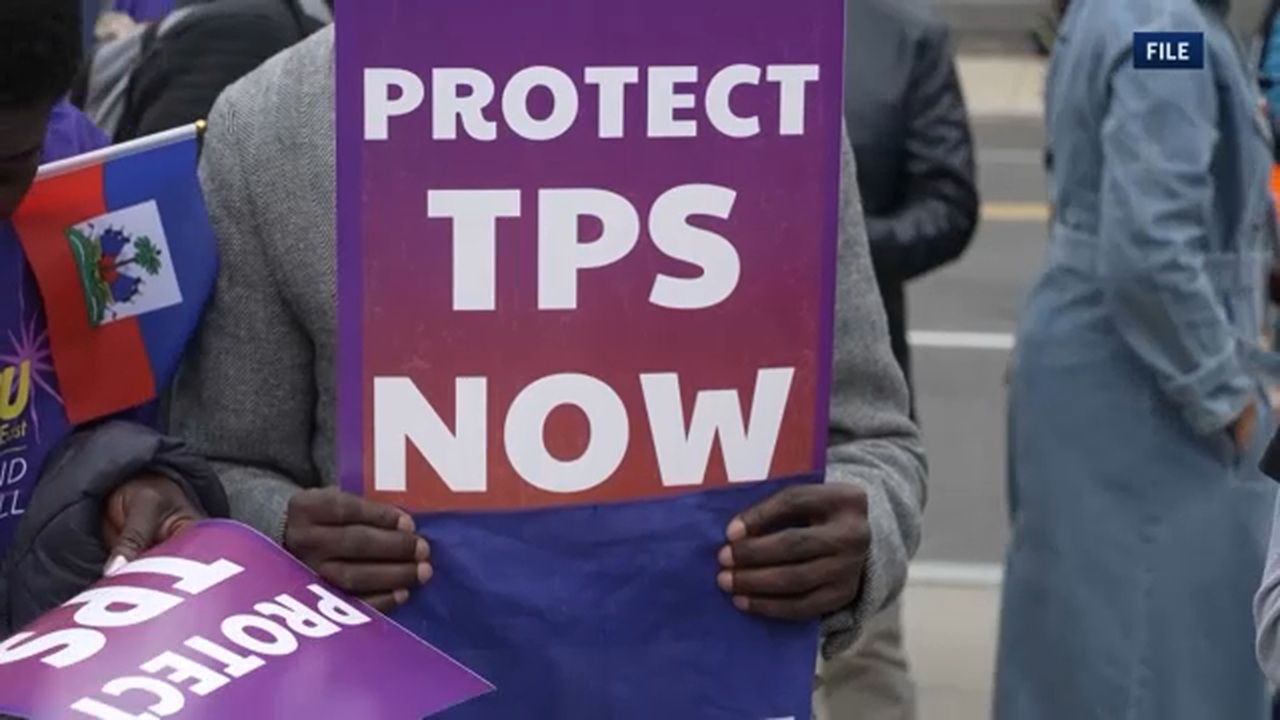
TAMPA, Fla. — Hundreds of thousands of immigrants across the United States are facing new uncertainty as Temporary Protected Status (TPS) protections expire today, raising questions about deportations, employment, and an already strained immigration system.
The change follows a recent U.S. Supreme Court ruling that allows the federal government to move forward with ending TPS protections for people from 13 countries. The largest groups affected are immigrants from Haiti and Syria.
Approximately 350,000 Haitians and 6,000 Syrians are impacted by the expiration of TPS. Despite the policy change, both countries remain under U.S. State Department travel advisories, and many continue to view conditions there as unsafe.
Immigration attorney Arturo Rios said he expects the Department of Homeland Security (DHS) to begin enforcing the policy quickly, based on the arguments the government presented before the Supreme Court. While it remains unclear how aggressively enforcement will be carried out, Rios believes many affected individuals will have little choice but to pursue asylum.
According to Rios, Florida has roughly 3 million pending immigration cases (including many in the Bay area), making it one of the most heavily burdened immigration court systems in the country. The anticipated increase in asylum filings could further delay proceedings for applicants already waiting for hearings.
“A lot of them may be forced to then seek asylum in the United States because they didn’t have to while they were under TPS,” Rios said. “They may have no other option now, and that’s just going to put more strain on an already overburdened immigration system.”
Seeking asylum could provide temporary legal protection for some immigrants, but the process often takes years to resolve because of significant court backlogs.
The expiration of TPS also has immediate consequences for employment.
Individuals who lose TPS generally lose their authorization to work in the United States. Employers who continue employing workers without valid work authorization can face significant fines and penalties.
For many affected workers, the primary option is to apply for an Employment Authorization Document (EAD). However, Rios says processing times for EAD applications can take up to six months, creating a difficult situation for both employees and employers.
As TPS protections end, many employers may be forced to decide whether to terminate workers whose authorization has expired or risk penalties while employees wait for new work permits to be processed.
The coming weeks are expected to determine how quickly DHS begins enforcement and how many affected immigrants seek asylum or other forms of legal relief.