
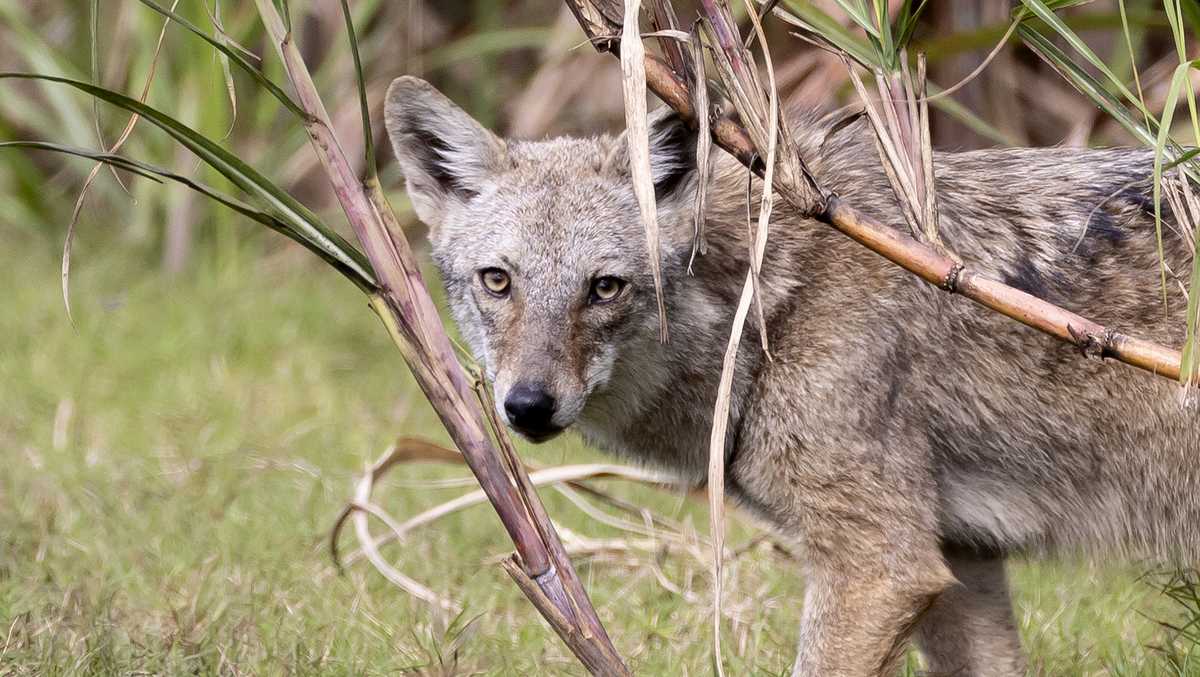
I LIKE THE SOUND OF THAT PLAY. ALL RIGHT, CHRIS, SO DO WE. NEW RESEARCH FINDS COYOTES ARE HELPING SOUTH FLORIDA’S NATURAL WILDLIFE BY EATING INVASIVE GREEN IGUANAS AND NON-NATIVE PEACOCKS. SCIENTISTS TOOK A CLOSE LOOK AT WHAT COYOTES IN MIAMI-DADE COUNTY ATE FOR ONE YEAR, AND THEY FOUND THAT THE COYOTES DIET IS EXTREMELY ADAPTABLE. IN THE WINTER MONTHS, IGUANAS, PEACOCKS AND SMALL ANIMALS WERE EATEN THE MOST COMPARED TO MORE FRUITS AND GRASS DURING THE WET SEASON, ACCORDING TO FWC. IGUANAS ARE HARMING FLORIDA’S ENVIRONMENT, EATING NATIVE PLANTS PEACOCKS ARE NOT A THREAT TO OUR WILDLIFE, BUT THEY ARE OVERPOPULATED AND COYOTES ARE RELATIVELY NEW
Study: Coyotes in South Florida are eating invasive iguanas and non-native peacocks

Updated: 6:24 PM EDT Jul 1, 2026
Coyotes in South Florida are helping the region’s environment by eating invasive green iguanas and non-native peacocks, according to new research published in the Journal of Urban Ecology in April. Scientists studied coyotes in Miami-Dade County for one year and found their diet to be highly adaptable. Your neighborhood: Local coverage from WPBF 25 NewsIn the winter months, coyotes ate more iguanas, peacocks, and small animals, while during the wet season, their diet shifted to include more fruits and grass. The Florida Fish and Wildlife Conservation Commission said iguanas are harming Florida’s environment by eating native plants. Peacocks, while not a threat to the state’s wildlife, are considered overpopulated. Get the latest news updates with the WPBF 25 News app. You can download it here.Coyotes are relatively new to Florida, having entered the state from the north on their own in the 1970s. They are not classified as invasive.
MIAMI-DADE COUNTY, Fla. —
Coyotes in South Florida are helping the region’s environment by eating invasive green iguanas and non-native peacocks, according to new research published in the Journal of Urban Ecology in April.
Scientists studied coyotes in Miami-Dade County for one year and found their diet to be highly adaptable.
Getty Images6381380
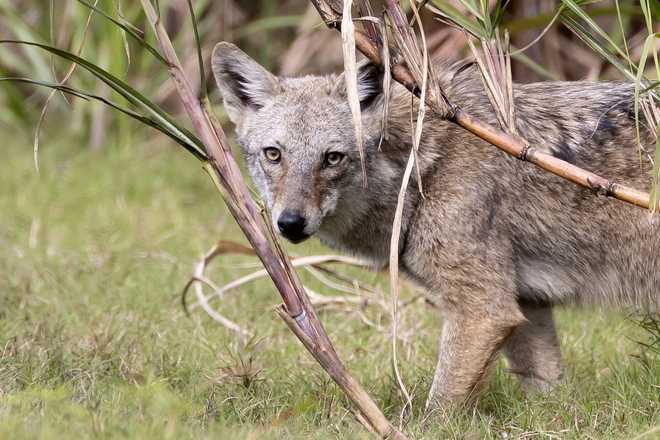
Coyote near Holey Land Wildlife Management Area in South Florida.
Your neighborhood: Local coverage from WPBF 25 News
In the winter months, coyotes ate more iguanas, peacocks, and small animals, while during the wet season, their diet shifted to include more fruits and grass.
The Florida Fish and Wildlife Conservation Commission said iguanas are harming Florida’s environment by eating native plants. Peacocks, while not a threat to the state’s wildlife, are considered overpopulated.
Get the latest news updates with the WPBF 25 News app. You can download it here.
Coyotes are relatively new to Florida, having entered the state from the north on their own in the 1970s. They are not classified as invasive.