
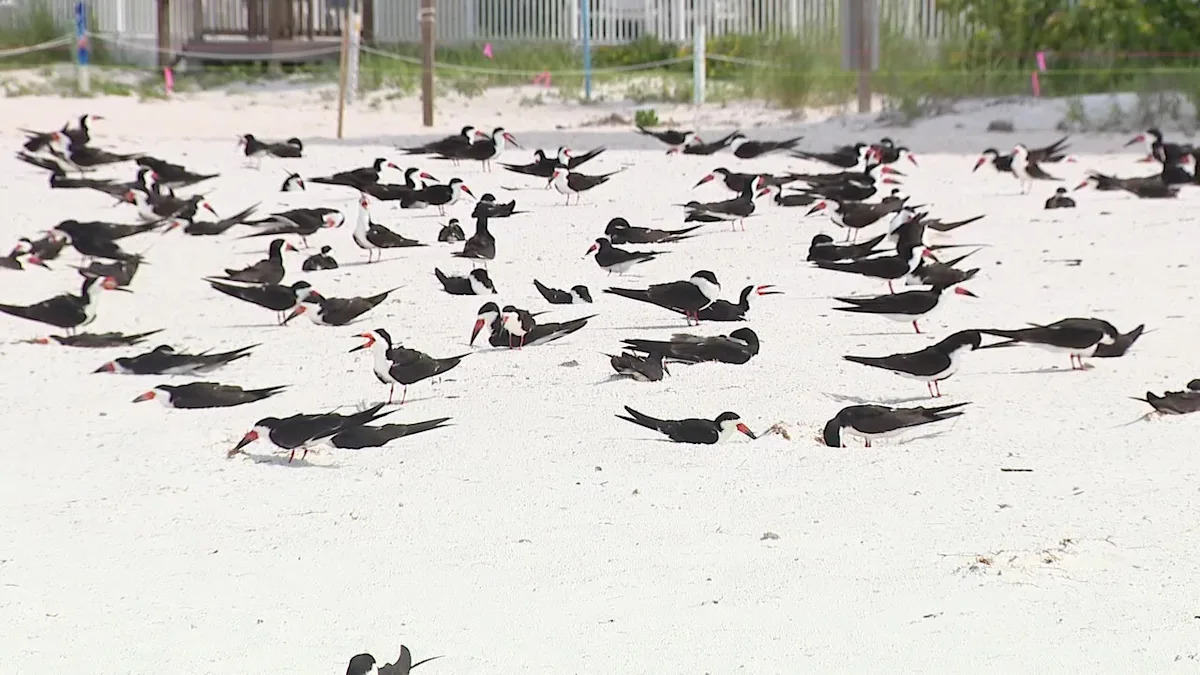
The Brief
Florida Fish and Wildlife officials urge beachgoers to attend professional displays and leave personal pyrotechnics at home to protect shorelines.
It’s sea turtle nesting season, so bright lights and loud sounds can easily disorient nesting birds and baby sea turtles trying to find the water.
Leaving trash and deep holes in the sand creates dangerous physical obstacles for vulnerable turtle hatchlings on their journey to the ocean.
TAMPA, Fla. – Florida wildlife officials are urging July Fourth beachgoers to leave personal fireworks at home and watch professional shows to protect vulnerable sea turtles and nesting shorebirds along the coast.
Protecting coastal sea turtles
What we know
Personal fireworks are highly disruptive to wildlife during the current sea turtle nesting season.
State wildlife officials explain that the intense, bright lights and booming sounds from private coastal displays quickly disorient young hatchlings and nearby birds.
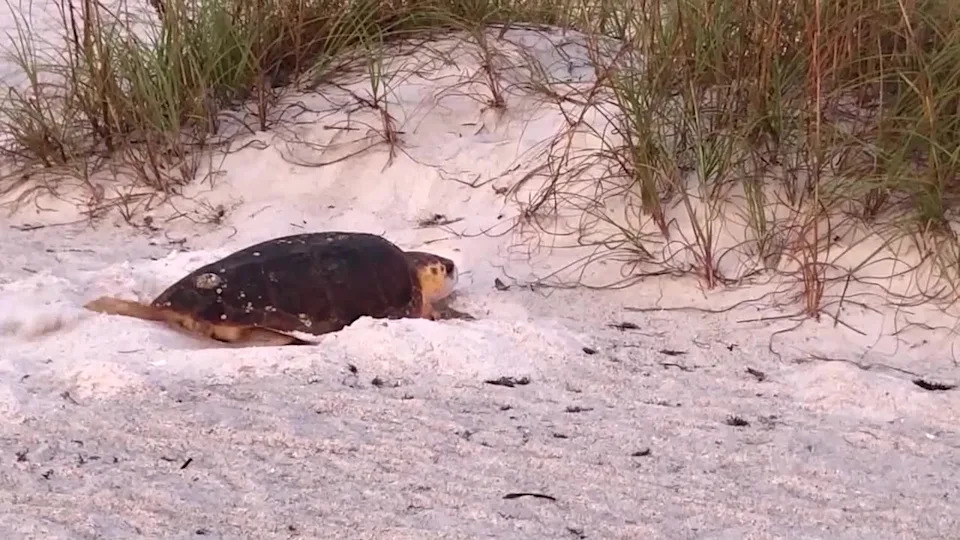
Furthermore, trash left behind, and deep holes dug into the sand become hazardous barriers for turtle hatchlings attempting to crawl safely to the ocean waves.
To mitigate these issues, the Florida Fish and Wildlife Conservation Commission advises keeping at least 50 feet away from any nesting sea turtles.
Safeguarding native beach birds
Dig deeper
Officials have not yet confirmed how many specific beaches or critical wildlife zones are currently hosting active nests this holiday weekend.
Local shorebirds and seabirds are also actively nesting right now in the sand and across mangrove islands.
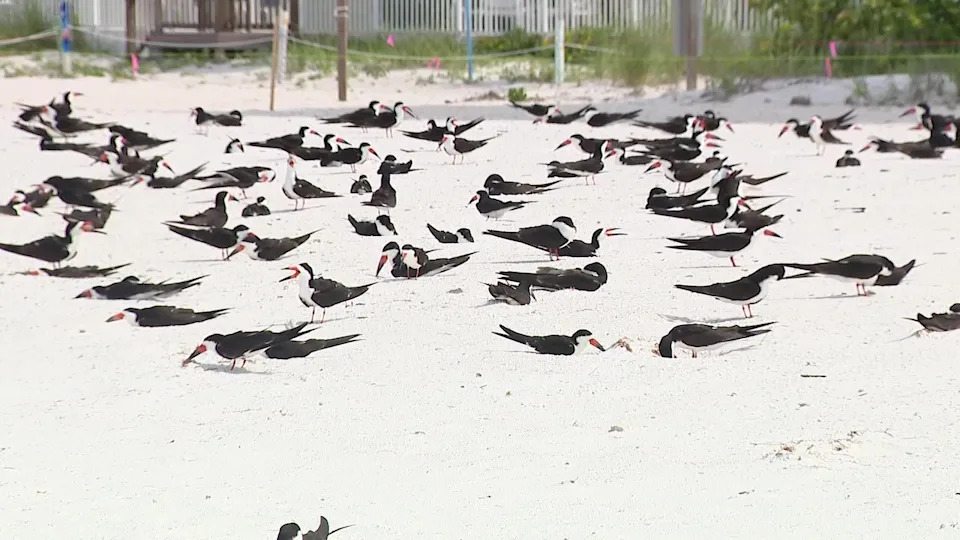
State officials recommend maintaining a distance of at least 300 feet from these bird nesting areas, so their reproduction cycle is not interrupted.
Identifying marked nesting zones
Local perspective
Environmental teams have posted signs marking active nesting sites, and there are official critical wildlife areas signs, providing clear visual boundaries for beachgoers and their pets to avoid.
The Source
The information in this story was gathered from the Florida Fish and Wildlife Conservation Commission by FOX 13’s Briona Arradondo.