
MIAMI — The Miami Heat will stand as an initial test case when it comes to a radical NBA scoring experiment during NBA summer leagues.
Announced Thursday, the NBA during summer-league games will hold a trial run that will award only a single free throw for any foul that sends a player to the line. That single free throw will then count for one, two or three points, depending on the type of foul called.
The rule has been in place in the G League since 2019-20, with the NBA often testing potential rules changes during summer leagues.
That means up first will be the Heat, who are playing in the NBA’s first summer-league game this offseason, when they square off Friday at 8 p.m. Eastern against the San Antonio Spurs in the opener of the California Classic at Chase Center, the San Francisco home of the Golden State Warriors.
The rule will be familiar to several on the Heat summer roster, including Vlad Goldin, Jahmir Young, Trevor Keels and Myron Gardner, who also have spent time in the G League with the Heat’s affiliate, the Sioux Falls Skyforce.
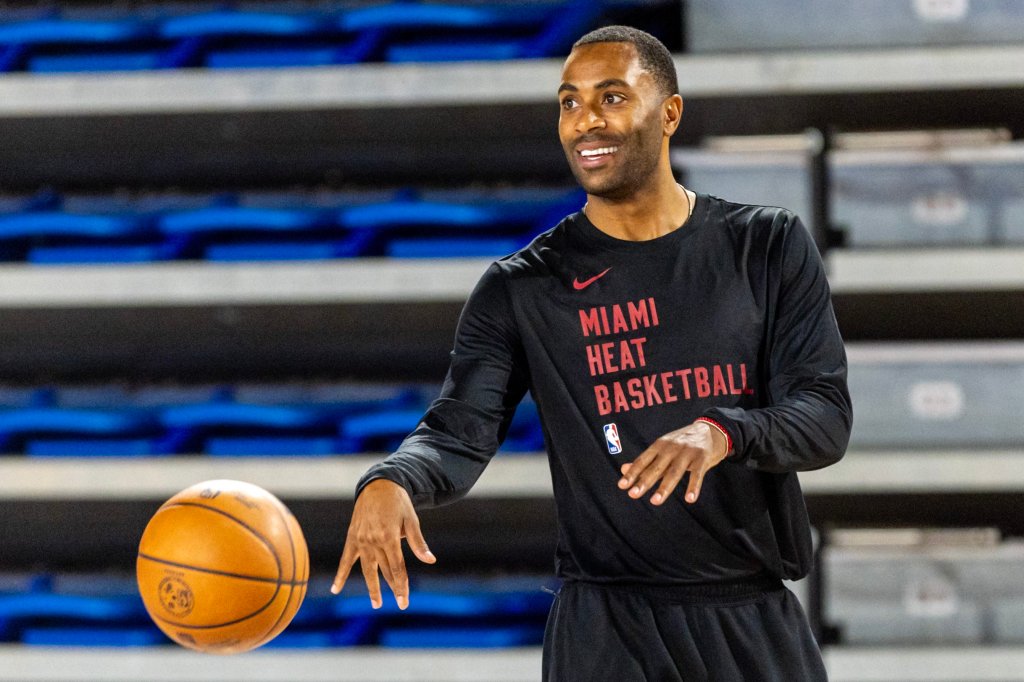
A member of the Heat’s summer coaching staff also is intimately familiar with the rule, with Skyforce coach Dan Bisaccio working as an assistant to Heat summer coach Wayne Ellington.
According to the NBA:
“With this rule, any foul that would typically result in one, two or three free throws under standard NBA rules will instead result in a single free throw attempt. That attempt will be worth the same total number of points as the free throws it replaces.
“Standard NBA free throw rules will apply during the last two minutes of the fourth quarter and throughout overtime.”
For example, if a player is fouled on a 3-point attempt, the single free throw will be for three points. Fouled on a two-point shot, the attempt will be for two points. For and-one fouls or technical fouls or other single-shot fouls, the free throw will be for one point.
That means, all free throws will result in live balls off misses, with the exception of free throws for flagrant fouls or technical fouls.
Initial trial runs in G League games resulted in games shortened by six to eight minutes, which would get many games closer to the preferred two-hour broadcast window. The adaptation of such a rule could also reduce NBA free-throw percentages, with players shooting higher percentages on the second of multiple free throws than the first.
While the NBA routinely has experimented with rules variations in recent years during summer leagues, not all have been implemented during the regular season, including the G League “reset” timeout, when the ball is advanced, players can be substituted, but there is no pause to huddle at the bench.
In addition, the NBA announced that summer-league games will be played with a “connected basketball” that contains an embedded sensor that detects contact with the ball.
Per the league, “The sensor does not materially affect the ball’s weight, feel or playability. Data collected from the ball will support future officiating applications, such as last-touch out-of-bounds calls.”
Gearing up
Ellington said he is leaning on the returning players on the summer roster, having seen growth in the games of Gardner, Goldin, Keels and Young.
“They’re more and more comfortable every day,” he said. “They’ve been super helpful for me in summer league, just because they’ve been through our system now. So they’ve taken on some leadership roles here with me in summer league, but they’re continuing to grow.
“They got back and they were in Miami since April, later on in April and they’ve been working. So they’re getting more and more of an understanding of what we’re looking for from them and they’re getting more confidence.”