
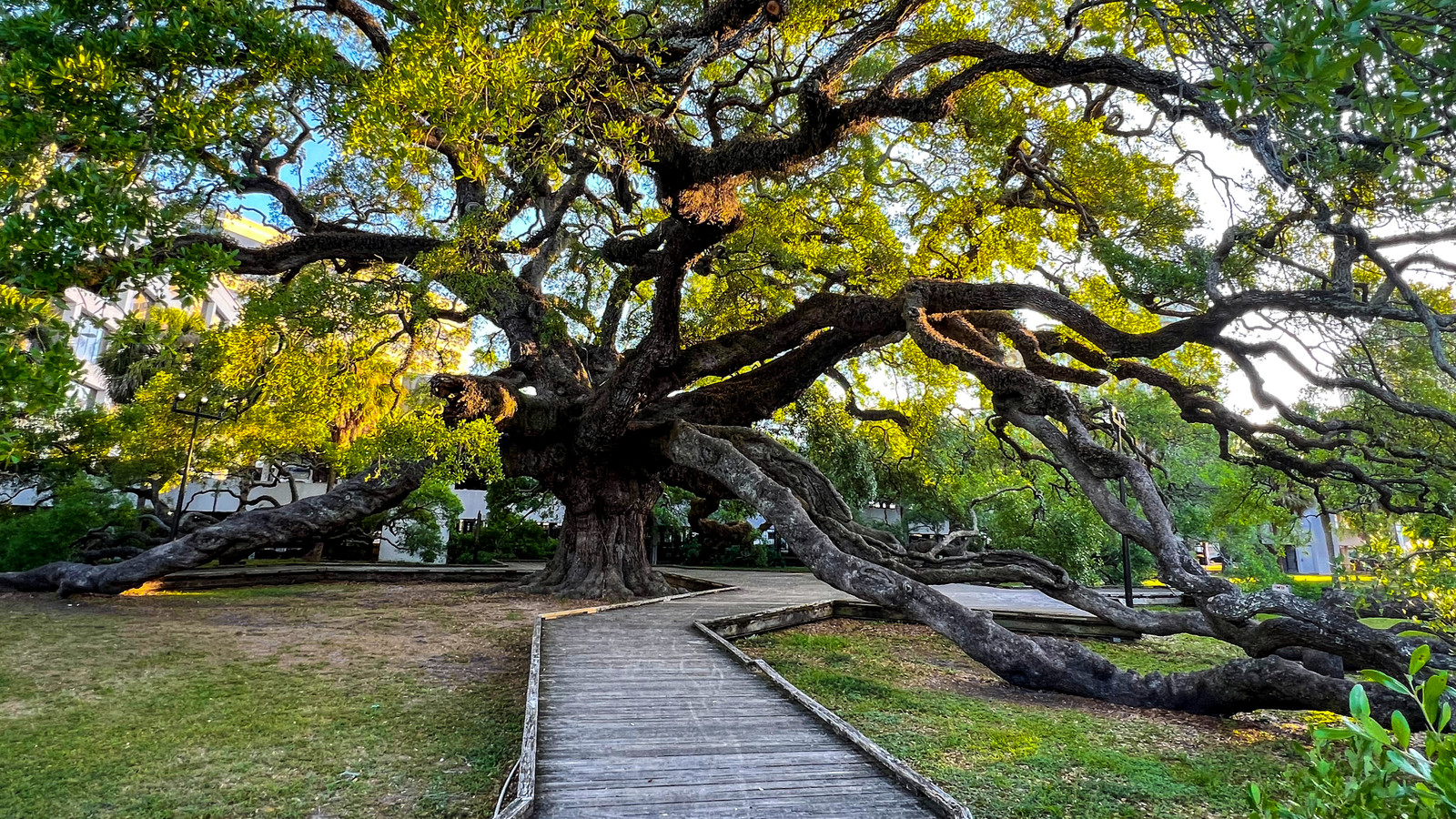
Florida is a prime vacation destination in the U.S., with some of the best and yet underrated beaches in the world. The state also boasts some of the best snorkeling spots and scenic bayou hikes in this part of the country. Additionally, Florida’s exciting attractions, like Walt Disney World® Resort, attract millions of visitors looking to stay in the Cinderella suite or ride the park’s thrilling roller-coasters.
However, Florida isn’t just a vacationer’s paradise. The state also has a handful of mysterious ghost towns, including Flamingo, a ghost town hidden in the Everglades, and a ghost town near Jacksonville that stands out due to the unusual reason it was abandoned 62 years ago. The history of Yukon, Florida, is worth exploring to uncover its reason for abandonment and what is happening there today.
The Origins Of Yukon, A Florida Ghost Town Near Jacksonville
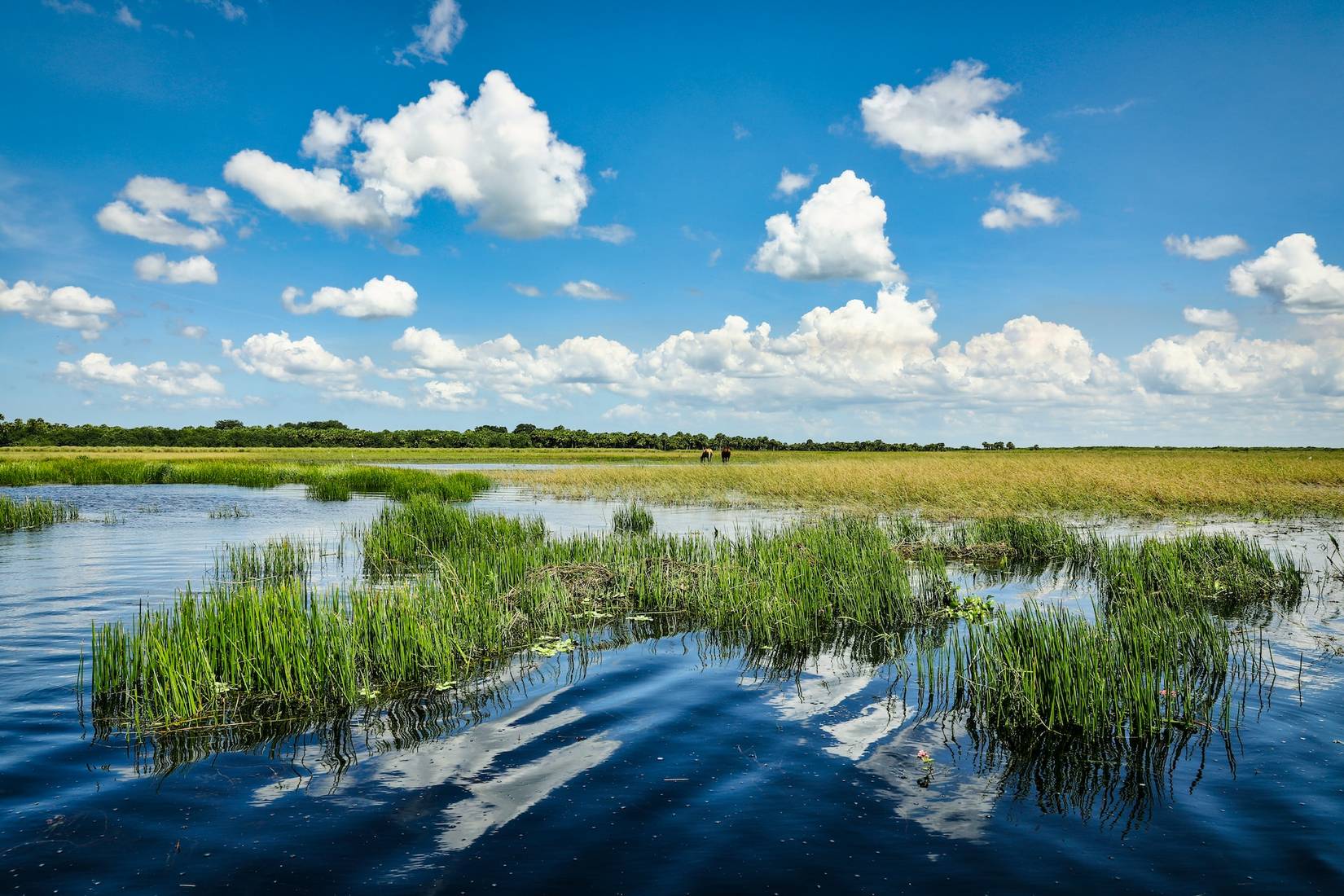
The St. Johns River in FloridaPhoto by Mick Haupt on Unsplash
Once a thriving 19th-century community with paved streets and sidewalks, Yukon had a downtown area, a 300-unit subdivision named Dewey Park, and a streetcar line connecting it to nearby towns, Ortega, Avondale, and Riverside. In 1939, the U.S. government started constructing Naval Air Station Jacksonville on the remaining portion of land that used to be Mulberry Grove Plantation next to Yukon.
Located between the St. Johns River and the Ortega River in Jacksonville, Yukon was a town dating back to the late 18th century. In 1787, the Spanish granted a large piece of land to an Englishman named Timothy Hollingsworth. Hollingsworth then established Mulberry Grove Plantation, a cotton plantation that grew fruits and vegetables.
The plantation operated until the end of the Civil War, when Arthur M. Reed, its last owner, sold part of the property to formerly enslaved individuals. The land became Blackpoint Settlement, which evolved into Yukon during World War I.
Today, visitors can explore Yukon’s remains at Tillie K. Fowler Park, within the city limits of Jacksonville, Florida. Although most of Yukon has disappeared, traces of its sidewalks, Mulberry Grove Plantation cemetery, and a pre-1917 brick road linking Ortega and Jacksonville can still be seen.
Why Was Yukon In Florida Abandoned Decades Ago?
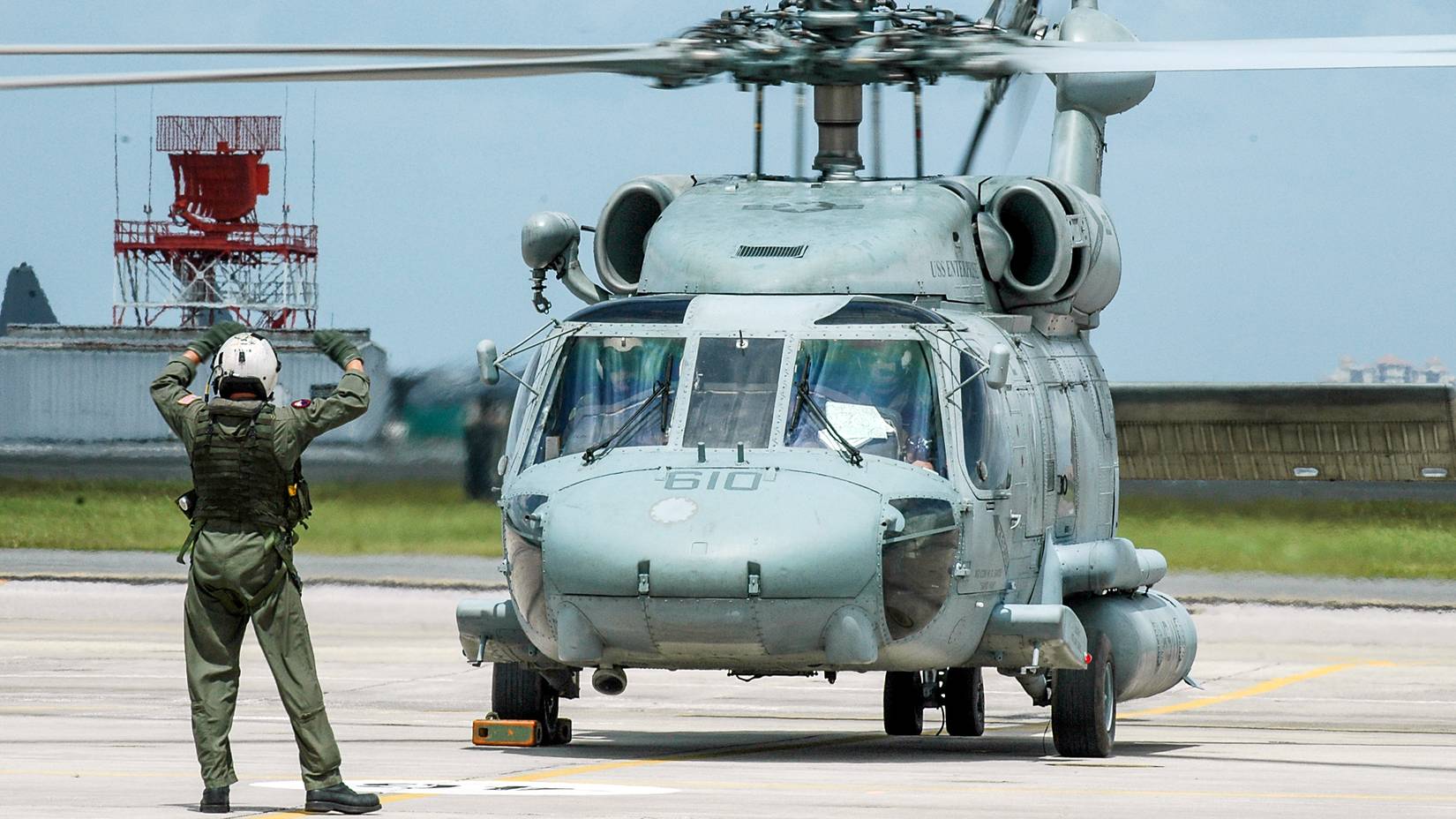
A helicopter crew prepare to depart Naval Air Station Jacksonville, FloridaCredit: U.S. Navy photo by Mass Communication Specialist 1st Class Leah Stiles, Wikimedia Commons
Despite its growth, Yukon’s success took a turn in 1963 when the U.S. Navy determined the town was a flight and safety hazard due to its proximity to Naval Air Station Jacksonville. As a result, the Navy closed Yukon, marking the end of its 176-year history.
Although it is unclear what sparked these initial concerns about the town’s proximity to the air station, later incidents near Naval Air Station Jacksonville seem to confirm that the U.S. Navy’s decision to evacuate Yukon was wise:
1983 Military Transport Plane Crash: A Navy Conair C-131F military transport plane crashed into the water while attempting an emergency landing at Naval Air Station Jacksonville.
2005 Navy Jet Crash: A Navy jet attempting to land during a rainstorm crashed near Tillie K. Fowler Regional Park (formerly Westside Regional Park).
2019 Jetliner Crash: A jetliner carrying 143 people slid into the St. Johns River while attempting to land on a slippery runway.
In 1979, the land that was once home to Yukon was leased from the Navy. Ten years later, with the support of Councilwoman Tillie Fowler, the area was transformed into a public park, now named Tillie K. Fowler Regional Park.
Visiting The Abandoned Ghost Town Inside Tillie K. Fowler Park In Jacksonville, Florida
In addition to being a destination to view historical sites, Tillie K. Fowler Park is an excellent recreation area. Amenities in the park include almost six miles of hiking and biking trails, a dog park, picnic shelters, grills, and a kayak launch.
Located approximately 12 miles from downtown Jacksonville, Tillie K. Fowler Park is best reached by car. Visitors should also plan to arrive early since it is only open during daylight hours. Visitors can explore remnants of the town’s history, which include sections of an old 16-foot-wide historic brick road, abandoned sidewalks, the old plantation cemetery, and the old railroad depot slab.
Outside the park, parts of the ghost town’s downtown business district still stand along Roosevelt Boulevard, including Yukon’s former post office and Yukon Baptist Church.
Visiting Tillie K. Fowler Park, Jacksonville, Florida
Hours
– Daily from 8:00 a.m. to 8:00 p.m.
Nature Center Hours
– From 1:00 p.m. to 4:00 p.m.
– Only Friday, Saturday, and Sunday
Cost
– Entry and parking are free
Location
– 7000 Roosevelt Blvd.,
– Jacksonville, FL 32244
While Yukon, Florida, is not likely to regain its status as a bustling town due to the unusual reason it was abandoned, there have been some new additions within the past 20 years. Two businesses, J.L. Trent’s Seafood and Grill and Murray’s Tavern, located near Roosevelt Boulevard, cater to curious visitors wanting to learn more about the town’s history.
While Yukon in Jacksonville has very little left for visitors to experience in person, Florida does have some popular ghost towns that offer a more immersive visit.
Popular Ghost Towns In Florida Worth Visiting
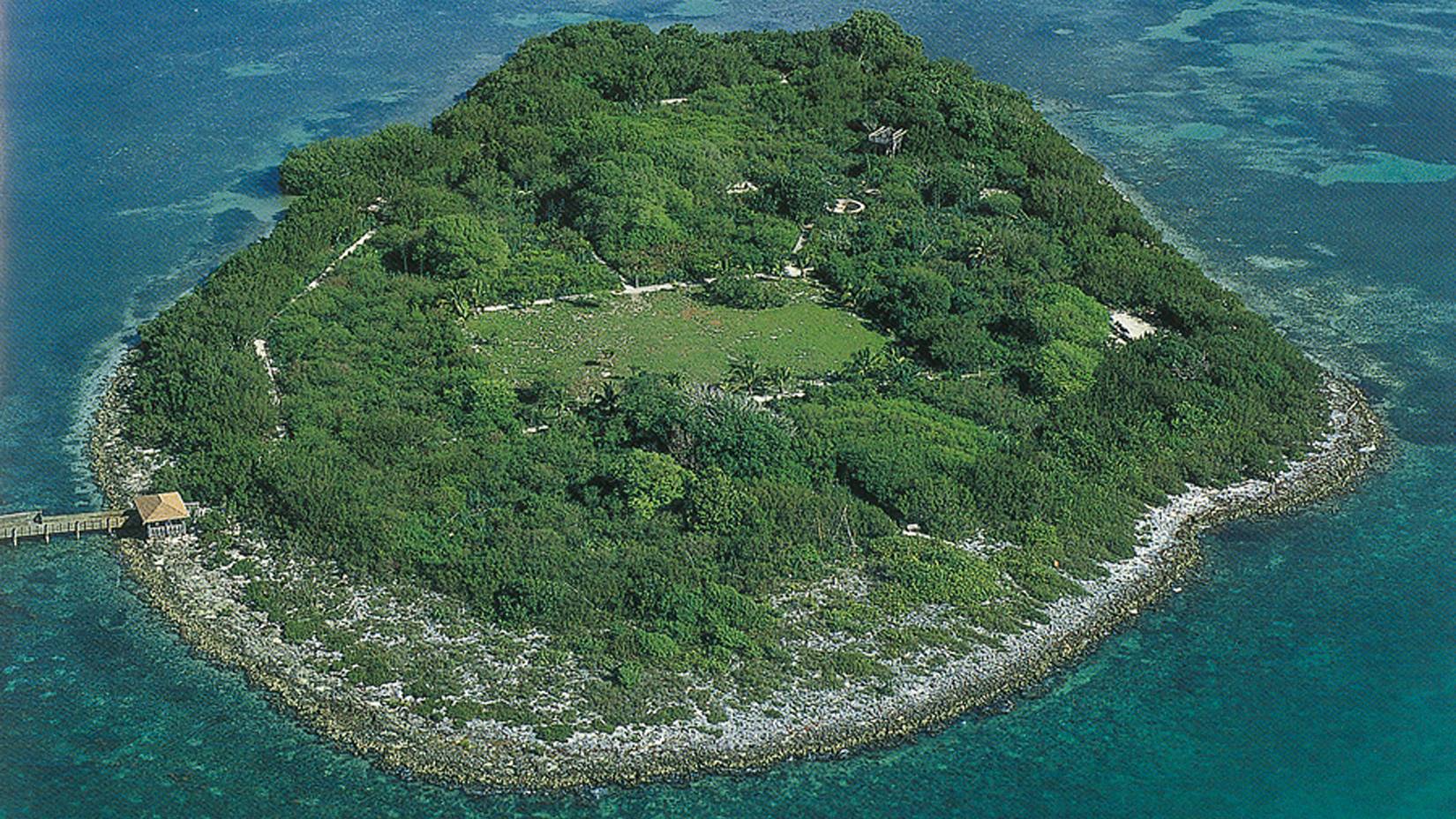
The island of Indian Key where the settlement was located, FloridaCredit: National Archives and Records Administration, Wikimedia Commons
Many of Florida’s older settlements have faded into the wilderness. Enthusiasts who enjoy visiting such old, sometimes abandoned, ghost towns get a fascinating look at the state’s rugged, untamed history.
These feature weathered military ruins, forgotten 19th-century mining camps, and coastal settlements that transitioned with years of hurricanes and subsequent railroad reroutes.
Fort Dade: This ghost town on a remote island near Tampa Bay was a major U.S. Army base during the Spanish-American War. Visitors can hike through the ruins of old batteries, brick barracks, and a lighthouse from 1858.
Osceola: Located inside the Lake Harney Wilderness Area, 30 miles from Orlando, Osceola was a 19th-century mill town. A broken bank vault standing singularly in the middle of a field is the strongest reminder of the once-booming town.
Brewster: An hour’s drive from Tampa, much of this mining town from 1910 has been razed. However, visitors can see the area’s large industrial fragments and a towering smokestack.
Eldora: Once a citrus and fishing community in the late 1800s. Eldora, along the Cape Canaveral National Seashore, was eventually closed as the railroad rose. Visitors can go to the well-preserved Eldora State House.
Indian Key: Accessible only by water, this historic settlement in the Florida Keys was a 19th-century hub for shipwreck salvage. The island features ruins and fascinating historical markers.
Most of these destinations are outdoors and often surrounded by nature and its elements. Visitors planning to visit must navigate around Florida’s seasonal weather to avoid intense heat, swarming insects, and heavy rains.
Ideally, the best time of year to visit Florida’s ghost towns is during the dry winter and early spring months, from November to April.