
Major League Baseball stadiums are becoming more than places to watch a game. Across the country, new developments are turning ballparks into neighborhoods that mix sports, housing, restaurants and retail.
A new JLL report reveals that these “stadium districts” are performing well in real estate terms, helping teams keep fans engaged throughout the year. This article looks at how the trend started, highlights examples that work and explains what it could mean for Tampa Bay as the Rays’ new owners search for a site of their own.
The research process
JLL examined the performance of real estate near major sports venues in the U.S. The research revealed higher occupancy and foot traffic in these areas compared to nearby markets.
Stadium construction slowed sharply in the 1980s, as this JLL chart shows.
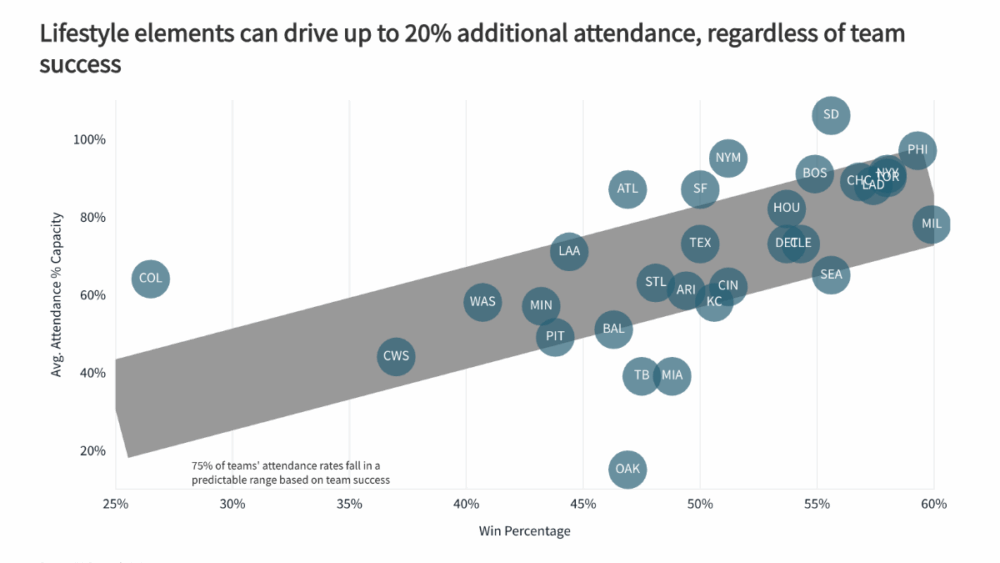 Scatter plot showing MLB attendance versus win percentage. Teams with lifestyle districts, such as San Diego and Atlanta, draw up to 20% more fans, regardless of performance.
Analysts looked at rental rates, retail leasing and attendance figures for teams with surrounding mixed-use districts. The report combines data from national leasing databases, JLL’s internal market research and MLB attendance records.
Teams like the Atlanta Braves have demonstrated the effectiveness of this approach. The Battery Atlanta, which includes one million square feet of commercial space, 500 homes and a hotel, remains the benchmark. The Braves fill nearly 90 percent of their seats even in a down year.
How the trend reaches Tampa Bay
That model has now caught the attention of the Tampa Bay Rays’ new ownership group.
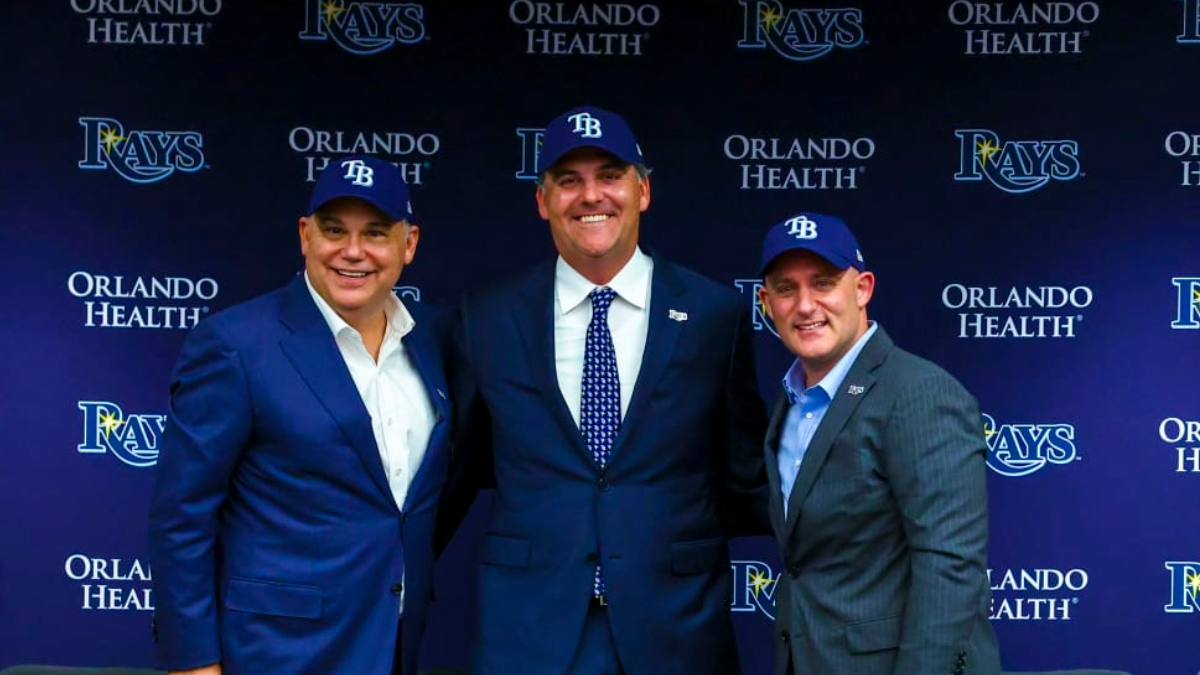
Managing partner Patrick Zalupski, CEO Ken Babby and co-chair Bill Cosgrove said at their October press conference that they plan to build a new stadium inside a mixed-use district by 2029.
Zalupski said the group is searching for roughly 100 acres to include retail, restaurants, bars and residential space alongside the stadium. He called that development “critical” to the team’s long-term success.
READ: USF just hit $750M in research funding; here’s why it matters
“We think without that revenue generation, it’s going to be really challenging or nearly impossible to compete,” Zalupski said at his introductory press conference. “We want to build a sustainable championship team. We’re confident we can be successful in Tampa Bay.”
Possible sites include Ybor City, Hillsborough Community College’s Dale Mabry campus and the Tropicana Field property in downtown St. Petersburg.
Learning from the battery
Zalupski said his team has studied The Battery Atlanta closely, calling it “the gold standard” for what the Rays hope to build. The Braves’ project used tax increment financing, a structure that reinvests future property tax revenue from nearby businesses to fund redevelopment costs.
RELATED: St. Petersburg’s Gas Plant District to be reimagined in $6.8 billion project
Tampa Mayor Jane Castor, who attended the press conference, stated that she does not plan to use taxpayer money to build a stadium but agreed with the broader concept.
“They understand that the days of baseball standing alone are probably behind us,” Castor said. “They need to have that neighborhood that surrounds the baseball field.”
What this means for Tampa Bay
If the Rays succeed, the project could reshape Tampa Bay’s economy and skyline.
A 100-acre stadium district could attract national investment, expand the region’s tax base and create a new year-round destination for fans and residents.
Challenges and Next Steps
The Rays’ timeline is ambitious. Zalupski wants the stadium ready by 2029 and called time “of the essence.” The group must finalize a location, structure financing and gain public support for infrastructure and zoning.
CEO Ken Babby said the focus will stay local.
“Plan A is to figure it out here in Tampa Bay,” Babby said. “We’re confident we’re going to get that done.”
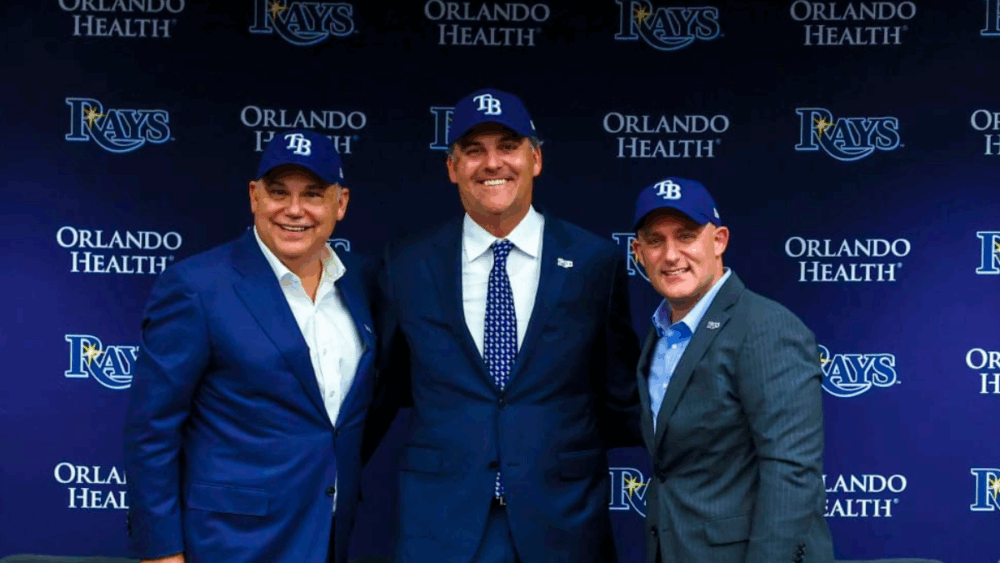 The Tampa Bay Rays’ new ownership group at their introductory press conference in Tampa.
Takeaway
Stadium-centered neighborhoods are transforming the way cities grow and how fans experience the game. For Tampa Bay, the Rays’ next chapter could create more than a new home for baseball. It could build a new center of gravity for the region — where sports, business and community meet.
Stay Connected