

A person was killed, and three others were injured, when a group of Florida beachgoers were struck by lightning.
An unidentified male who was swimming was directly struck and died. The three other swimmers were in the ocean near to the strike and were injured and taken to a nearby hospital.
The Fort Myers Beach Fire District said in a statement, “Crews were dispatched and are still on scene of a lightning strike involving multiple patients. Upon arrival, crews found one individual unresponsive, and three others who had to be transported.”
Read More on News
“A bystander had deployed an AED (Automated External Defibrillator) and was performing CPR upon our arrival, however due to the injuries sustained efforts were not successful. Please avoid the area until it is clear,” the statement continued.
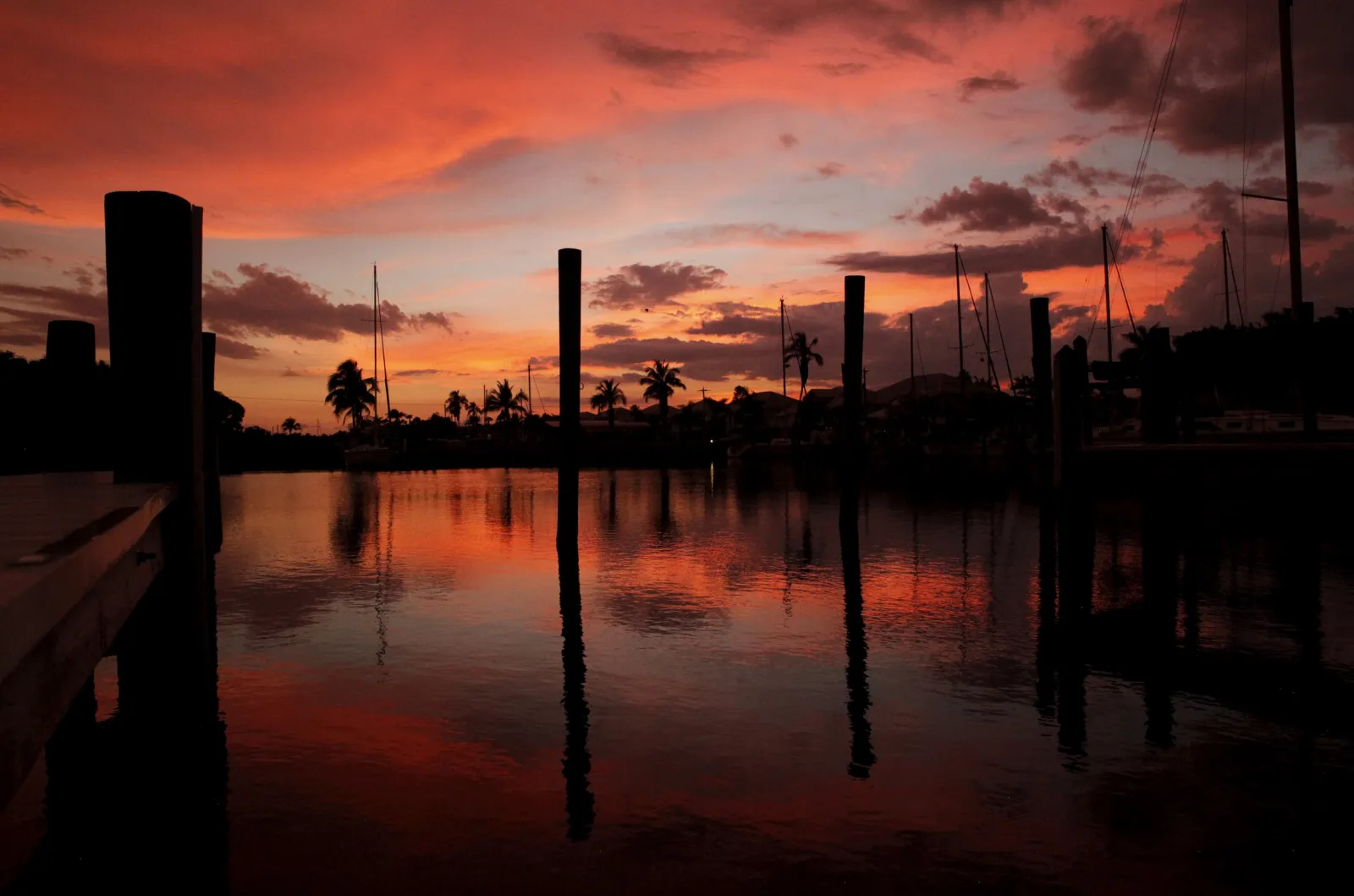
The Fort Myers Beach Fire District heeded caution to residents in their statement.
“To our residents and visitors, please stay aware of the weather and the environment. You should immediately seek shelter when you hear thunder or see lightning. Please keep yourself and your family safe,” they said, adding “When thunder roars, go indoors.”
Florida a Lightening Hotspot
Florida leads the nation in terms of annual lightning strikes, according to the National Lightning Detection Network (NLDN), the primary U.S. lightning‑monitoring system. The Sunshine State is one of the highest-density lightning regions in the country.
July also poses the most danger for lightning strikes, per NOAA’s Storm Events Database. Historical casualty reports show a seasonal spike in lightning injuries and fatalities during the June and July months, over Florida’s peak thunderstorm season.
NOAA and NWS lightning guidance emphasize that lightning can strike 10–15 miles away from a storm’s core, well outside the area of rainfall.
This is why officials advise staying indoors when thunder is heard.
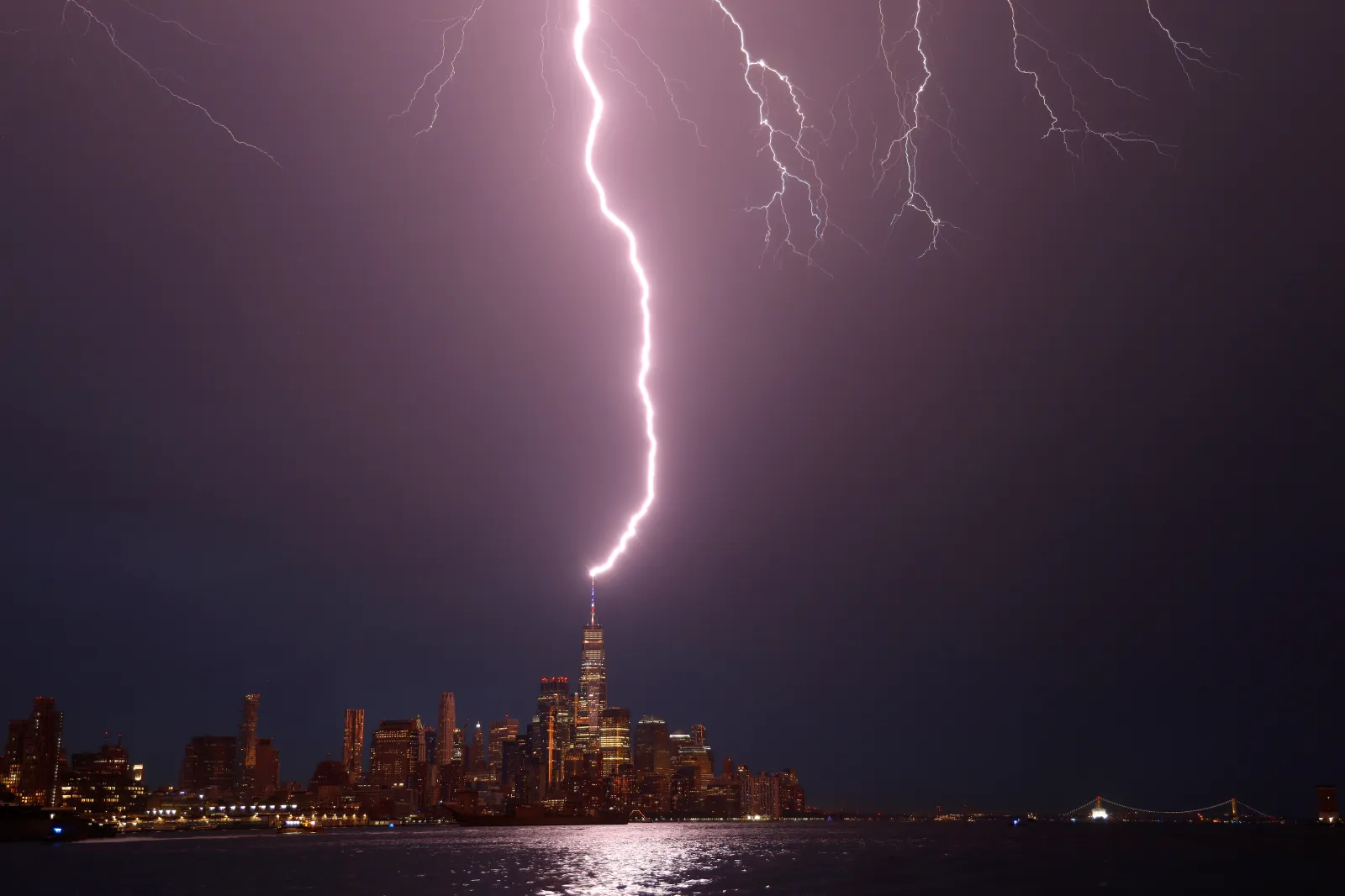 Extreme Weather Across the Country
A sharply divided weather pattern is expected across the United States on July 4th with a massive heat dome intensifying dangerous temperatures in the West while thunderstorms threaten holiday events from the Plains to the East Coast.
Forecast maps from AccuWeather show extreme heat stretching across California, Nevada, Utah, Idaho, Oregon, Washington, and parts of Arizona, where triple‑digit temperatures and dry conditions heighten wildfire risks. Officials warn that fireworks could easily ignite fast‑moving blazes in parched vegetation, prompting many communities to consider restrictions or cancellations.
Thunderstorms may disrupt gatherings across the central U.S., Southeast, and parts of the East Coast, with spotty rain possible in the Upper Midwest. Meteorologists emphasize that summer systems can shift quickly, urging travelers and event organizers to monitor local forecasts and check municipal guidelines for fireworks safety.
How Extreme Heat Is Impacting the Fourth of July Celebrations
This year’s celebrations are part of what’s expected on July 4, as America marks the nation’s 250th anniversary with major events across the country.
Communities across all 50 states are also holding parades, festivals, concerts and fireworks displays as part of the nationwide Freedom 250 celebrations. Millions of people are expected to attend outdoor events over the holiday weekend.
The scorching heat has pushed temperatures past 100 degrees in the Northeast ahead of the celebrations, and has triggered a string of cancellations of 250th-anniversary events.
From Pennsylvania to New York, celebrations such as parades, lectures, and fireworks have been canceled, postponed, or moved indoors.
Organizers of America’s Independence Day Parade, which was set to begin Saturday morning, announced on Friday night that the parade would be cancelled, citing safety concerns as officials try to keep residents safe during what are expected to be extremely dangerous conditions.