
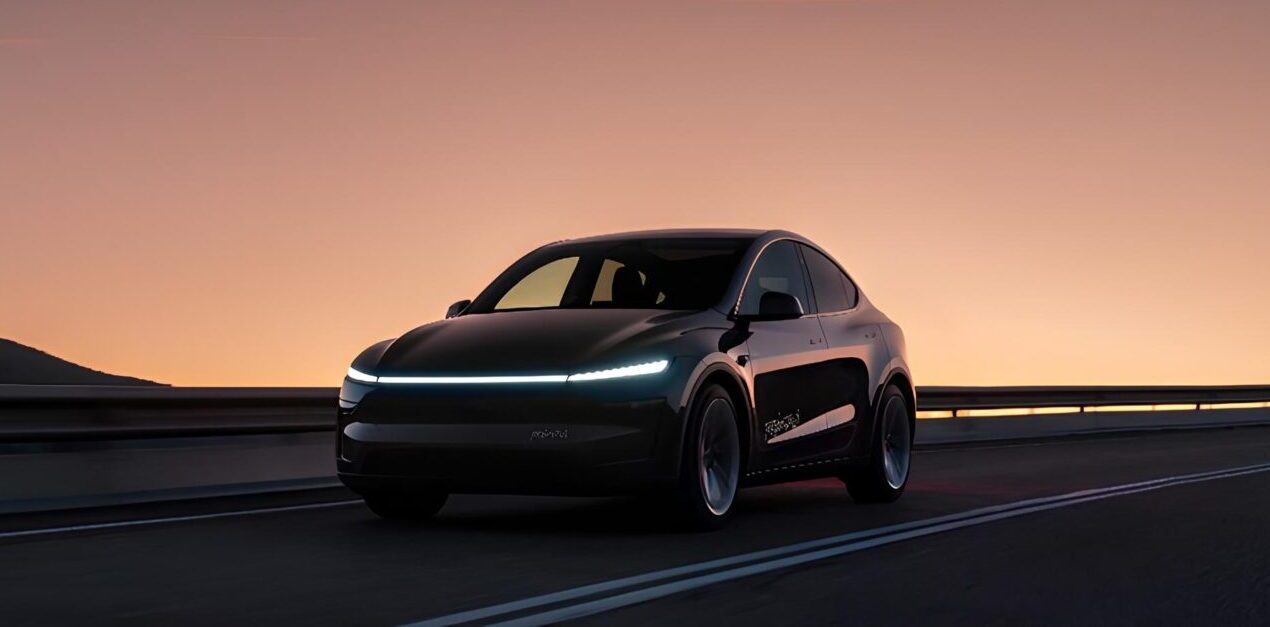
Tesla’s expanding map has become a headline-generating, investor-pleasing exercise that betrays its actual operational progress. By Stewart Burnett
Tesla quietly launched a new robotaxi service covering a limited portion of the Miami metro area on 3 July, marking the automaker’s first market outside Texas since deployments began there in June 2025. The automaker had singled out Miami as one of five markets it would roll out robotaxi services to during H1 2026, a target it missed by several days.
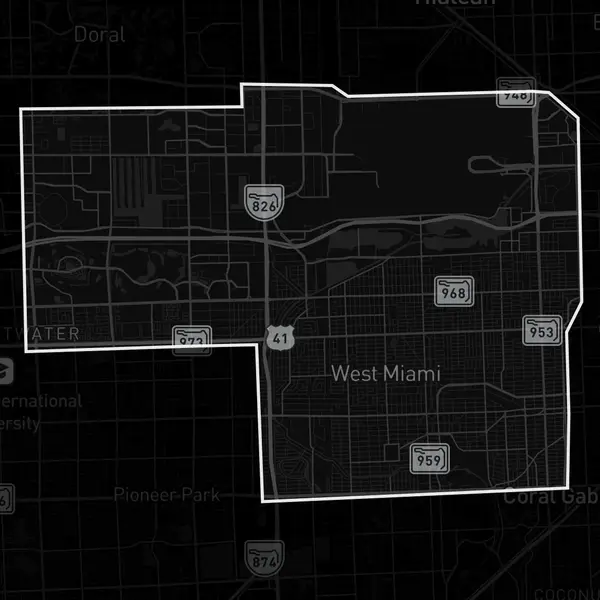
The geofenced service area in Miami is distinguished by how cautious it is, running roughly from the Palmetto Expressway in the north to US-41 in the south, excluding high traffic density areas like downtown Miami, Miami Beach, the airport and most of Coral Gables. This is more or less in-keeping with how the automaker has handled deployments in Austin, Dallas and Houston, although it should be noted that in the former the service area has been expanded significantly on multiple occasions since first going live.
The launch also highlights how far Tesla trails rivals already established there: Waymo has run services in Miami since January 2026, and Amazon’s Zoox expanded into the city the following April. Tesla’s national footprint remains modest by comparison, with Bloomberg estimating around 59 robotaxis operating across the US, against roughly 577 autonomous taxis run by all operators in Texas alone.
Austin remains the clearest illustration of Tesla’s scaling problem a year after launch. City officials put the fleet at roughly 50 vehicles, but the unsupervised portion, cars running without a Tesla employee behind the wheel, has been shrinking, sliding from a peak of about 25 vehicles toward roughly 14; wait times have routinely stretched past 15 minutes, with no cars available in more than a quarter of checks.
Chief Executive Elon Musk has said safety validation, not mapping, is the limiting factor, telling investors on Tesla’s first-quarter earnings call that broader unsupervised deployment will be delayed until the launch of Full Self-Driving v15, expected no earlier than late 2026. Musk has also said the Hardware 3 onboard compute system—which was featured in vehicles sold between 2019 and 2022—lacks the memory bandwidth for unsupervised driving and cannot be upgraded without replacing both the compute unit and cameras. The concession ran contrary to an earlier promise that Tesla’s fleet, including those with Hardware 2, already had the compute power necessary for fully-autonomous robotaxi revenue.
The safety record adds weight to that caution. Tesla reported 14 crashes to US regulators in Austin between its June 2025 launch and mid-January, a rate of roughly one incident per 57,000 miles that is around four times worse than the company’s own benchmark for an average human driver—and nine times that of external estimates.
Tesla has also earned a reputation for non-transparency, redacting the narrative section of its crash reports, a practice no other autonomous vehicle operator in the US regulatory database follows. It claims to do this for the sake of protecting business secrets.
Meanwhile, Waymo now runs roughly 4,000 vehicles across ten cities globally—albeit with some in the testing stages—and completes over 500,000 paid rides a week, while the lesser-known Avride has quietly deployed 200 vehicles in Texas without needing Tesla’s supervised-to-unsupervised distinction. Musk has himself conceded the robotaxi business is unlikely to generate material revenue before 2027, even as Tesla’s purpose-built Cybercab has begun factory production.