
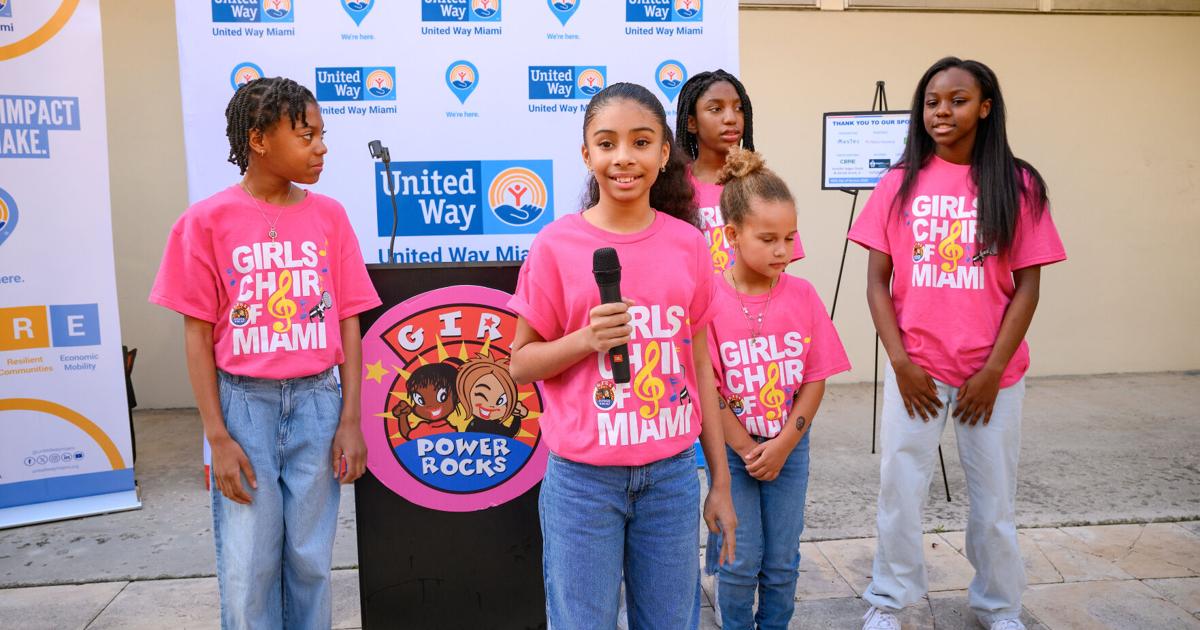
United Way Miami last week unveiled its Blueprint for Impact, a $36.5 million framework for its community priorities and goals through 2031. The blueprint will support 84 programs across 48 nonprofit organizations.
United Way’s chief impact officer, Norie Del Valle, said the blueprint is the result of an 18-month process of community engagement, research and strategic planning.
“We developed strategic plans in our three core areas: health and well-being, education and economic mobility,” Del Valle said.


Staff members and community members work on the Blueprint for Impact.
(United Way Miami)
“We have a whole series of partnerships and collaborations — some we lead, some we fund, some we’re just a member of,” she continued. “How do we bring all of those assets together, all of those resources together, really to push forward on these strategic plans? In essence, that’s the blueprint.”
A part of the blueprint is helping families overcome the ALICE threshold (Asset Limited, Income Constrained, Employed).
“There’s this whole group of families that live just above (the poverty line), but don’t make enough to really thrive in any given community,” Del Valle explained. “We called them, for many, many years, the working poor. These are families that have jobs, sometimes more than one job. They work really hard, but they just don’t make enough money to be able to do anything except live paycheck to paycheck.”
She said these families are especially fragile to financial ruin.
“And one emergency, literally one minor thing, basically puts them in jeopardy of not being able to pay their bills, and in some cases could lead to homelessness.”
So, how will United Way help these families?
“ALICE families don’t qualify for some of the services that other families qualify for, and so we try to fill that gap,” Del Valle said. “For example, ALICE families could never afford to send their children to summer camp. It’s just not a possibility. And so we provide nonprofits in our community — like Boys and Girls Club, Girl Scouts, etc. — we provide funding for them to be able to have these families go to summer camp, be a Girl Scout, etc.”
The organization’s Centers for Financial Stability also provide services.
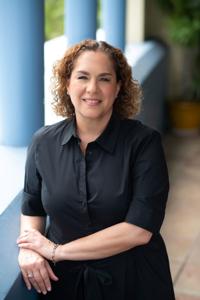
United Way Miami Chief Impact Officer Norie Del Valle.
(United Way Miami)
“They have jobs. They just come to us because they get behind on their rent, they want us to help them develop a budget, maybe find a better job. Maybe they have some issues with their credit history, so they can’t qualify for a car loan. We help them tackle credit issues,” Del Valle said.
Another goal is to provide preventative health care.
“This is the big issue that came up during our research,” Del Valle said. “The number of families from very specific ZIP codes that end up in the emergency room with issues that could have been prevented if they would have just received health screenings and the ability to see a prevention-based doctor. It’s staggering, and it’s costing us as taxpayers a lot of money for these families to end up in the emergency room.”
United Way Miami funds free clinics that provide screenings and follow-up care.
Del Valle said the money for these programs comes from federal grants, corporate foundation and family foundation grants, wealthy donors and even the cashier at Publix.
“One of our largest (workplace campaigns) is Publix, and so when you go to your local Publix, the person that’s the cashier, the person that’s bagging your groceries, they are giving to United Way every year,” she said.