
27
(Photo provided by LRAFB)
What was good for Jacksonville almost 75 years ago has proven to be beneficial and then some for central Arkansas and far beyond.
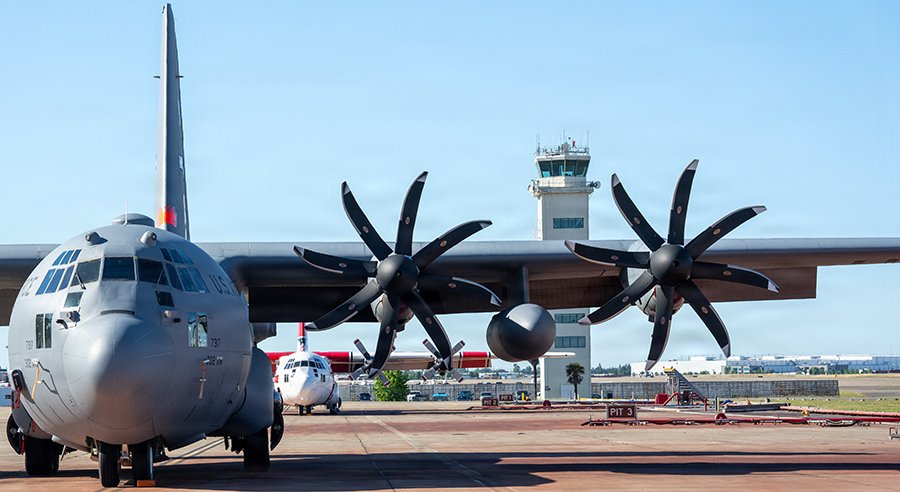
Little Rock Air Force Base, the global home of the workhorse C-130 Hercules, sits on roughly 6,500 acres in north Jacksonville, a working testament to the grit and determination of local leaders such as Bart Gray Sr. and Kenneth Pat Wilson.
Gray and Wilson founded two of the city’s most iconic businesses, each a family operation still going strong in 2026. For Gray, that business was Jacksonville’s Bart Gray Realty, launched in 1948 and run these days by his grandson Daniel.
Wilson launched what is now First Arkansas Bank & Trust the following year. His son Larry recently stepped down as president and CEO after leading the bank for decades but remains chairman of the board.
(Photo by Dwain Hebda)
In 1951, the young business owners stepped up for their hometown after the Department of Defense announced plans to build a new Air Force base in the central U.S. and Little Rock became a target. They joined a coalition of local civic leaders that promised Congress it could raise money to buy land for the base that would then be donated back to the DOD. That group, then called the Pulaski County Citizens Council, became the influential LRAFB Community Council.
A year and a half later, thanks in large part to the efforts of Wilson and Gray, the council had raised more than $800,000 that was used to buy from more than 150 private owners the land that would be offered as a potential site. Less than a month later, the U.S. Air Force announced plans to spend $31 million — $400 million in 2026 dollars — to build a jet bomber base on the site secured by the council.
The rest, as they say, is history. As of 2025, LRAFB was delivering a local economic impact of $1.4 billion and supporting more than 6,500 on-base jobs with just shy of 1,000 C-130 students trained annually. Base personnel entailed more than 5,700 service members and roughly 850 civilian workers and DOD contractors.
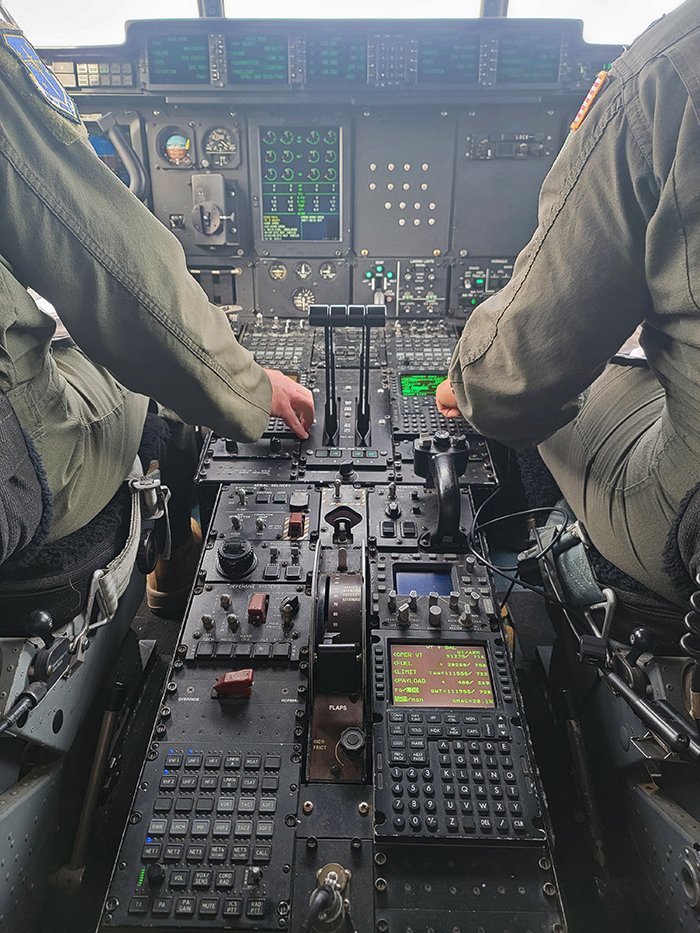
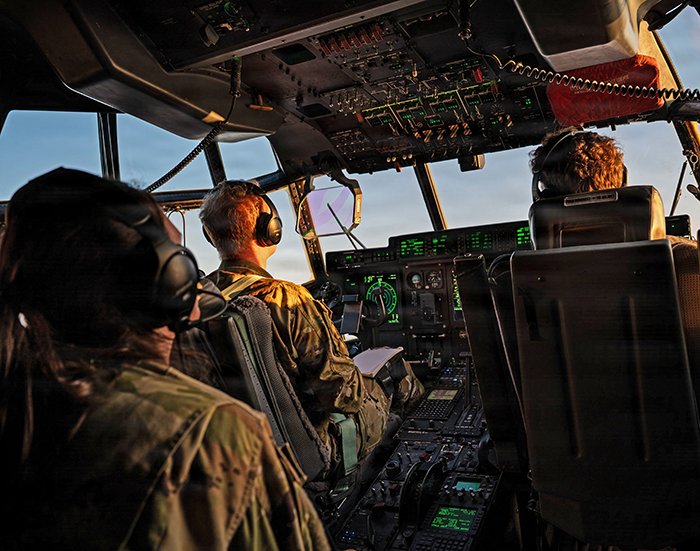
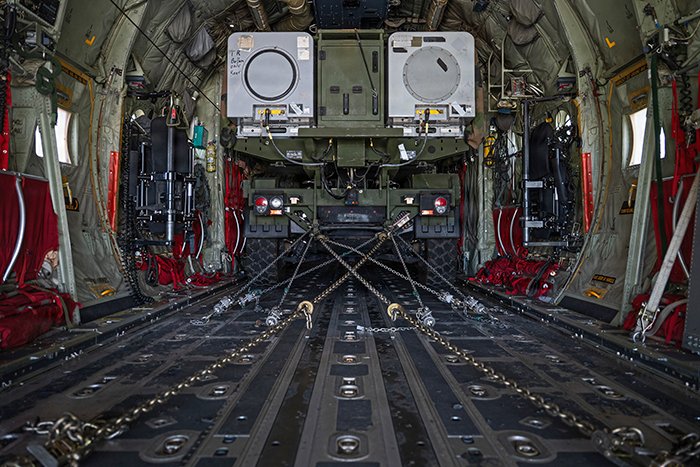
At any given time, 57 C-130 aircraft from the base can be found on the flight line or in support of missions around the globe.
(Photos provided by LRAFB)
Jacksonville would be a blue-collar, military-friendly city even if the base had been located elsewhere, but it goes without saying nonetheless — J-ville loves its Air Force base.
“The base has meant everything for the city,” said Jacksonville Mayor Jeff Elmore. “The identity of the city is associated with the base. It’s more than just the financial impact. The base is a source of pride. People respect it and love having it here.”
(Photos provided by LRAFB)
The Gray and Wilson families remain heavily involved with the council and have even helped lobby the state’s congressional delegation on matters related to the base.
Daniel Gray, principal at Bart Gray Realty and former chairman of the LRAFB Community Council, has continued the family tradition of supporting the base started by his grandfather; his uncle, Bart Gray Jr.; and his father, Thad Gray.
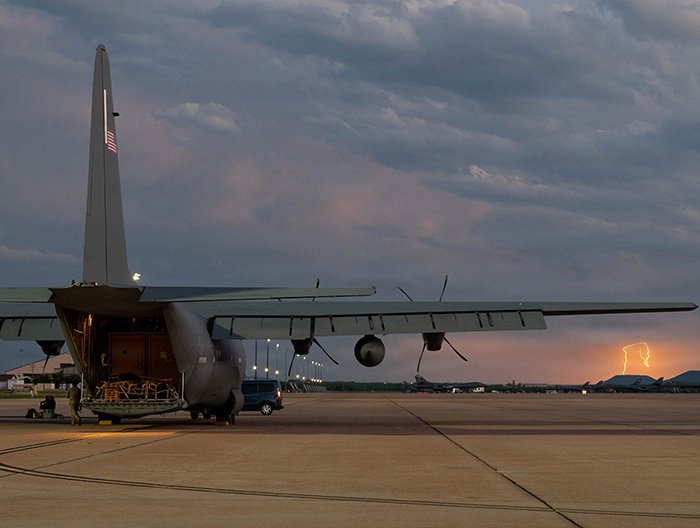
(Photos provided by LRAFB)
Gray said he views the family tradition as a responsibility to continue protecting the base’s mission and to support the service members and their families.
“I’m extremely proud of my grandfather’s role in shaping Jacksonville from a development standpoint,” he said. “The people in his circle were visionaries, and they laid the foundation not just for Jacksonville but for all of central Arkansas. [The base is] the largest economic development engine in central Arkansas, not just Jacksonville. We have a tremendous responsibility to partner with the base on infrastructure, support and quality-of-life issues. It is our identity.”
For Patrick Wilson, partner at Little Rock’s Wright Lindsey Jennings law firm, grandson of Kenneth Pat Wilson, son of Larry Wilson and a community council member himself, growing up in Jacksonville soldered a connection to the base that remains bonded today.
He recalled an elementary school buddy during the “throes of the Cold War” talking about bombs dropping on Jacksonville because of the base. Rather than frighten him, the image actually made Wilson even more proud of the base.
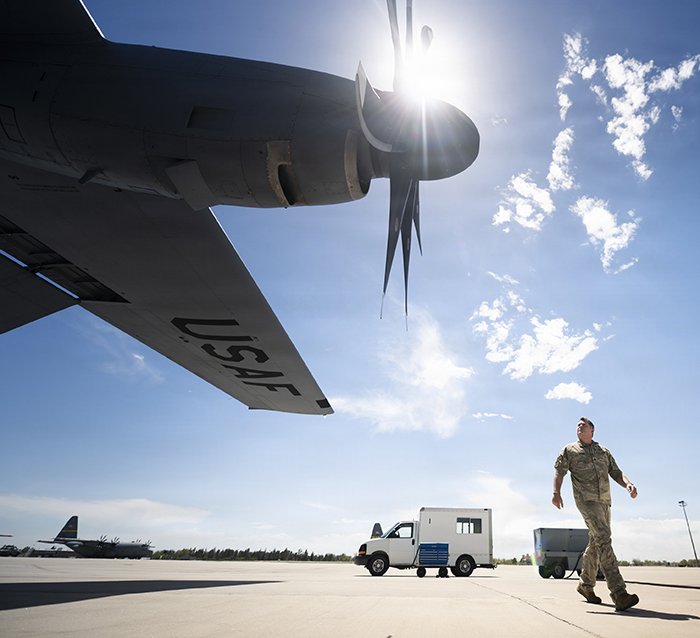
(Photos provided by LRAFB)
“I knew for a long time about the important role the base played,” he said, “not just from a military perspective but for the city, as well. Jacksonville wouldn’t have had the fast growth it had in the ‘50s, ‘60s and ‘70s without the air base. It wouldn’t have had all the restaurants, hotels and other businesses without the shot in the arm from the base.”
Jacksonville was a sleepy bedroom community of about 2,500 people in 1950. By 1960, the city had grown by 486 percent to roughly 14,500 people, driven in large part by the influx of military personnel to the base. The city experienced growth of just less than 40 percent over the following two decades and now sits at about 30,000, many of the residents active and retired military.
In fact, the Jacksonville business community has been heavily influenced by Air Force veterans who stick around after retirement.
“My father-in-law is a retired lieutenant colonel in the Army who retired here, and even he loves to go the base and show it off to visitors,” Elmore said. “The number of retirees who stay in the area is unreal. It speaks a lot about the nature of the city that so many base retirees want to stay and invest and be a part of life here. We love it and appreciate their choosing to stay and invest. It improves our quality of life.
He added that Jacksonville has the highest proportion of active-duty Air Force members living in the city than any other Air Force town.
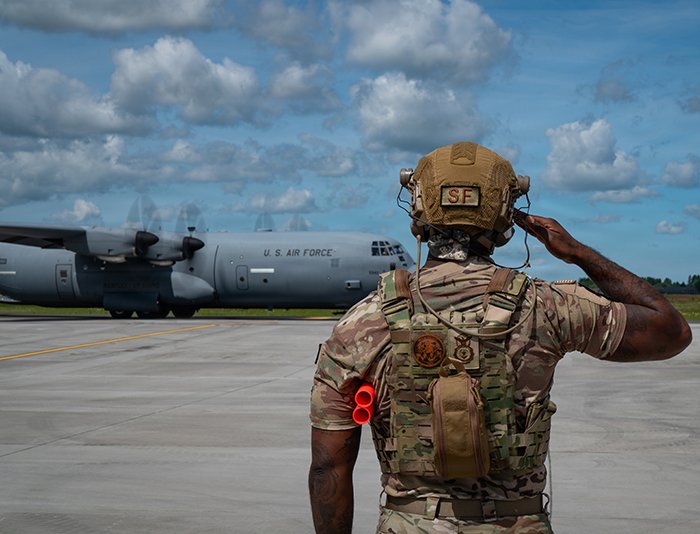
(Photos provided by LRAFB)
Gray said the city benefits from the talent pool provided by the base.
“These veterans are a tremendous asset for our workforce and economic development,” he said. “Knowing so many choose to stay tells me we’re doing something right. It shows they feel supported and welcomed here.”
The Gray and Wilson families exemplify the mutually beneficial dynamic between the city and base. Gray served on the community council from 2022 to 2025, as president his final year, when he was awarded LRAFB’s prestigious Cornerstone Award. The award, which was also presented to his father, recognizes prominent civic leaders who displayed “outstanding service and commitment” to the base and its families.
Gray was recognized for, among other contributions, his work with severe weather responses and coordination on the base, the 2023 Thunder Over the Rock airshow that drew 277,000 visitors to town, the establishment of a STEM fair for area students, his role in securing the Herk Nation Legacy Monument, and his leadership in continuing the collaboration between city and base.
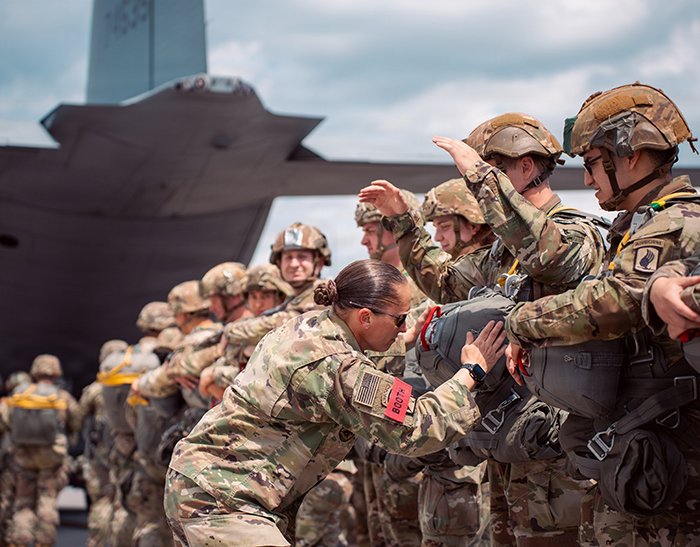
(Photos provided by LRAFB)
“It’s humbling to get to be part of this base,” he said. “I love supporting the men and women who serve our nation. They sacrifice so much for us, and I’m proud to support them in any way I can. I’m extremely proud of our family’s connection with LRAFB.”
That same sense of pride is built into the Wilson family DNA, as well. The legacy of air base support, passed down by Kenneth Pat, has lasted generations.
“For us, more than [Kenneth Pat] being one of the main organizers of the efforts to get the base here, he supported the base and its mission for the rest of his life,” Wilson said. “We are so proud of that. The relationship between the city and base is fantastic, but the base might not be here without the efforts of my grandfather and those he worked with. Daniel Gray and others have carried the torch well.”
SEE THE FEATURE BELOW AND IN OUR JULY 2026 ISSUE OF AMP