
Florida has released the latest cyclosporiasis numbers as cases of the “explosive” diarrhea-causing parasite surge across the country.
TAMPA, Fla. — With U.S. health officials investigating nearly 7,000 cases of cyclosporiasis across the country, Florida has released its latest numbers of the “explosive” diarrhea-causing parasitic infection.
According to the latest data, there have been 94 confirmed cases of cyclosporiasis in Florida, including 14 in the Tampa Bay area, between May 1 and July 11.

This story continues below.
Here’s a look at the cases confirmed locally:
Polk County: 4 casesHillsborough County: 3 casesPinellas County: 3 casesHighlands County: 2 casesManatee County: 1 casePasco County: 1 case
Cyclosporiasis, a gastrointestinal infection caused by the parasite cyclospora, isn’t new. In fact, the Centers for Disease Control and Prevention (CDC) considers May 1 through Aug. 31 cyclosporiasis season, as higher temperatures can create conditions more suitable for the parasite to live in fresh produce.
The reason so many people are talking about it now is that U.S. health officials haven’t been able to connect recent cases to any particular food, grower or supplier.
This week, the Michigan Department of Health and Human Services warned that lettuce or salad greens could be “a potential source of this outbreak,” but did not share how it came to that conclusion.
Foods to avoid for cyclosporiasis
Again, health officials haven’t identified the exact source of the latest cyclosporiasis cases, but previous outbreaks have been associated with:
Bagged saladsFresh cilantroBasilRaspberriesSnow peasGreen onions
What foods are considered the safest?
Experts are not recommending that people stop eating fruits and vegetables, as produce remains an important part of a healthy diet.
Instead, consumers can reduce their risk by choosing foods that are less likely to carry the parasite, or that can be prepared safely through cooking.
Generally considered lower-risk options include:
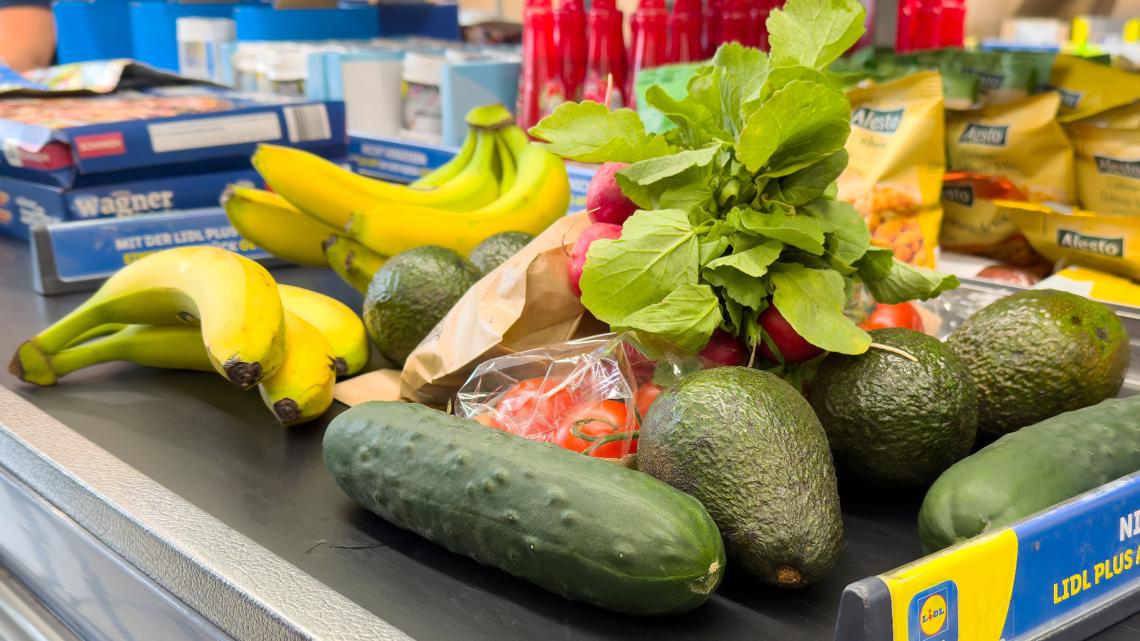
Frozen produceAnything cooked to 158 degreesPeeled fruits and vegetables such as bananas, oranges, avocados, pineapples and melonsCooked berries, such as jams, instead of raw berries
TEGNA Digital’s Jarrett Wright contributed to this report.