
LEE COUNTY, Fla. (WINK) — Cases of a diarrhea-causing parasite are continuing to rise across Florida, with the number of reported infections nearly doubling in just one week, according to updated data from the Florida Department of Health.
The state now reports 106 confirmed and probable cases of cyclosporiasis from the start of the year through July 11, 2026.
That is an increase of 46 cases compared to the previous state report released July 4, when Florida had 60 reported cases.
The week-over-week increase represents a roughly 77% rise in reported cases.
It comes as health officials continue tracking cyclosporiasis cases nationwide, with the Centers for Disease Control and Prevention (CDC) reporting nearly 7,000 possible infections across 30 states.
Lee County has reported 16 cases, up from 11 the previous week. While it remains among the counties with the highest number of reported infections statewide, it no longer has the most cases. Miami-Dade County now leads Florida with 20 reported cases.
Cases by county as of July 11, 2026Miami-Dade County: 20 casesLee County: 16 casesBroward County: 7 casesSeminole County: 5 casesDuval County: 4 casesLake County: 4 casesOrange County: 4 casesOsceola County: 4 casesPolk County: 4 casesHillsborough County: 3 casesPalm Beach County: 3 casesPinellas County: 3 casesSt. Johns County: 3 casesSumter County: 3 casesAlachua County: 2 casesCollier County: 2 casesFlagler County: 2 casesHighlands County: 2 casesOkaloosa County: 2 casesSt. Lucie County: 2 casesVolusia County: 2 casesBay County: 1 caseBrevard County: 1 caseColumbia County: 1 caseEscambia County: 1 caseGadsden County: 1 caseManatee County: 1 caseMartin County: 1 caseMonroe County: 1 casePasco County: 1 case
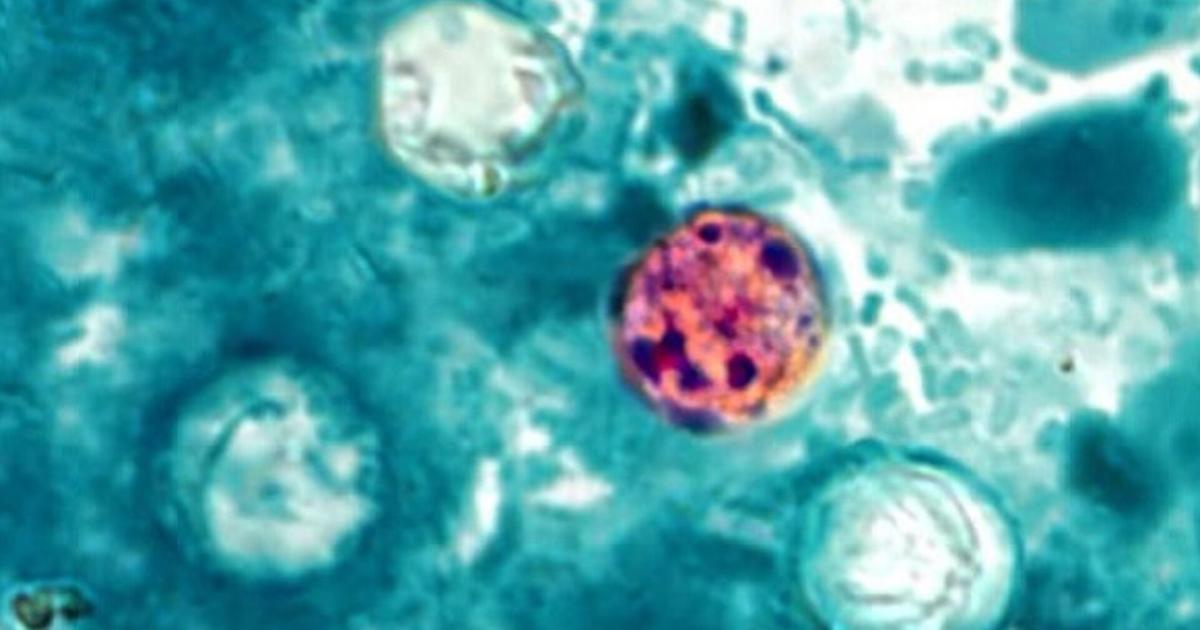
According to Cleveland Clinic, cyclosporiasis is an illness you get from the parasite Cyclospora cayetanensis. It causes watery, and sometimes explosive, diarrhea and other stomach problems. It usually spreads from contaminated water or food. Treatment typically includes antibiotics.
You’re at a greater risk of a severe infection if you have a weakened immune system. Children and older adults may also experience severe symptoms, according to Cleveland Clinic.
Health officials have not identified a specific source behind the increase in Florida cases. You can find more information on the illness and its impact here.