
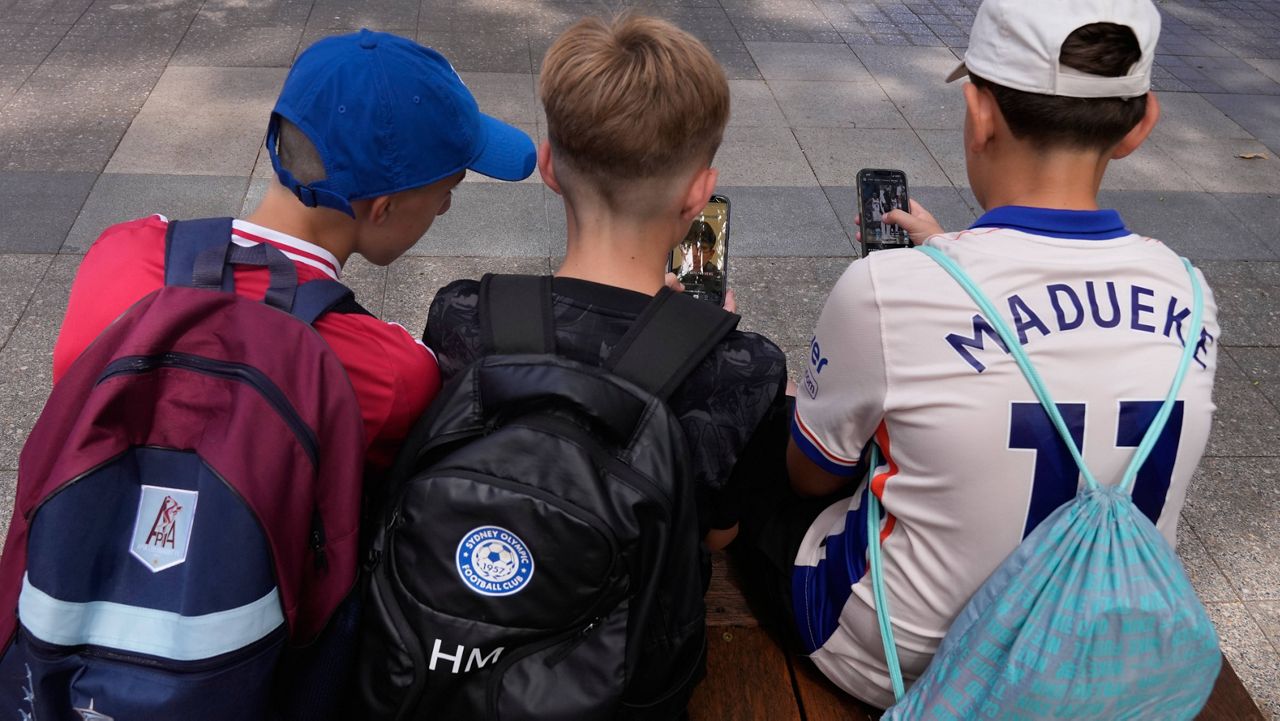
TAMPA, Fla. — Students in Hillsborough County Public Schools could spend significantly less time in front of screens during the upcoming school year as the district introduces new guidance aimed at reducing technology use in classrooms.
The most significant changes will affect students in kindergarten through second grade, where district leaders are shifting away from screen-based instruction in favor of more hands-on learning experiences.
Schools are also being encouraged to reduce unnecessary screen time for students in grades 3 through 12 whenever possible.
According to Sarah Garcia, the district’s executive director of elementary education, the move marks a shift after years of increasing classroom technology use, including the introduction of the i-Ready learning platform in 2015 and expanded digital instruction during the COVID-19 pandemic.
“We’re significantly reducing screen time in kindergarten through second grade,” Garcia said. “That’s that critical window for brain and language development, and we really want to focus on engaging students and doing more hands-on learning.”
District officials say research shows many young children already spend about three and a half hours each day using screens outside of school. Garcia said adding additional screen time during the school day may not support the way young students learn best.
“We know that students learn best through talking, through reading, through playing, especially our youngest learners,” Garcia said. “So we really want to pull away from some of that screen use and get them engaged in hands-on, authentic, meaningful learning experiences instead.”
Under the new guidance, kindergarten through second-grade classrooms will replace many screen-based learning rotations with activities that encourage face-to-face interaction, reading, writing, and other hands-on instruction.
For older students, technology will continue to play an important role in the classroom. However, the district is asking teachers to evaluate how digital tools are being used and ensure they enhance instruction rather than becoming the primary method of teaching.
“We’re not going no tech… it’s low tech,” Garcia said. “We want to find that right balance.”
District leaders emphasized that the curriculum itself is not changing. Instead, students will learn the same state-required material through different instructional methods.
For example, lessons that may have previously been completed through an i-Ready math or reading activity could instead be done using pencil-and-paper assignments or other hands-on classroom exercises.
Officials say families have already begun responding to the new guidance, with many expressing support for reducing classroom screen time as schools prepare for the start of the new academic year.