
St. Petersburg voters will decide this Fall whether the city can borrow up to $600 million to accelerate storm resilience and utility infrastructure projects.
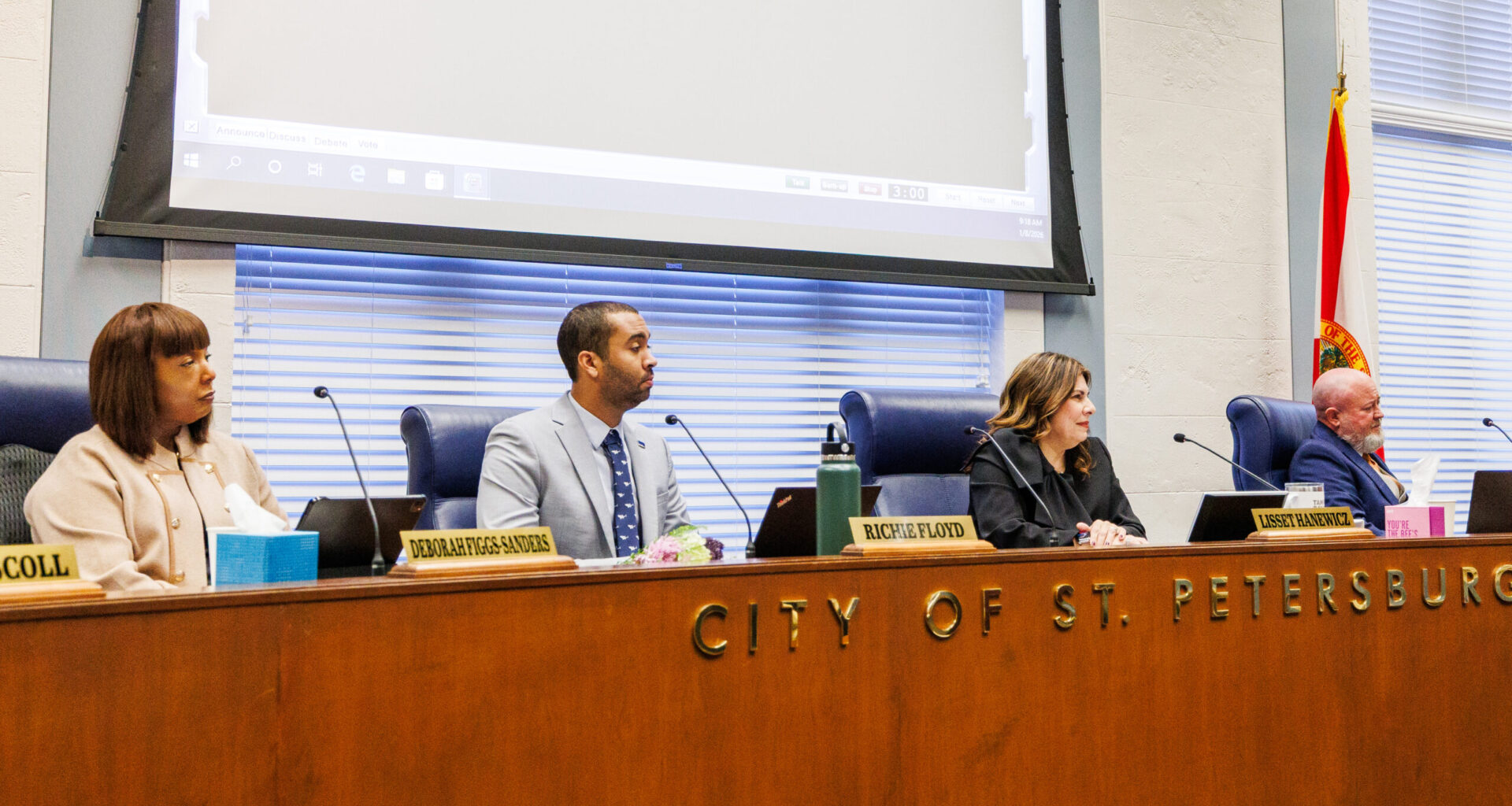
The St. Petersburg City Council approved language for a general obligation bond referendum that will appear on the Nov. 3 General Election ballot.
The bond question is part of a referendum package that the Council advanced earlier this month. The Council previously reached consensus on placing it first among the city questions on the ballot, ahead of measures involving protected lots in Methodist Town and Jamestown, submerged lands at Harborage Marina, lease limits at the Port of St. Petersburg, and Charter language tied to the city’s shift to even-year elections.
The ballot language voters will see reads:
“Shall the City finance storm resilience improvements, including but not limited to, floodwater protection, stormwater pump stations, drainage infrastructure, as well as wastewater collection and treatment facilities, drinking water distribution and supply facilities, by issuing general obligation bonds in one or more series, not exceeding $600,000,000, bearing interest not exceeding maximum legal rates, maturing not more than 30 years from each issuance date, pledging the City’s full faith, credit, and unlimited ad valorem taxing power?”

If approved, the city could use the bond proceeds for improvements to its stormwater, wastewater and potable water systems. Eligible projects would include flood protection, stormwater pump stations, drainage infrastructure, wastewater collection and treatment facilities, and drinking water distribution and supply facilities.
The ballot question asks voters to authorize the city to issue the bonds in one or more series, with each issuance carrying a maturity of no more than 30 years. Interest rates could not exceed the maximum allowed under state law.
Unlike revenue bonds, which are typically repaid through utility fees or other dedicated revenue, general obligation bonds are repaid through property taxes. The bond is meant to allow the city to advance projects under its St. Pete Agile Resilience (SPAR) program more quickly than waiting to collect the revenue over time.
The city said general obligation bonds are generally viewed as lower-risk investments, allowing municipalities to borrow at lower interest rates. St. Petersburg expects to issue the proposed bonds in multiple series between 2027 and 2030.