
Five candidates are running in the District 6 race for St. Petersburg City Council to replace incumbent Gina Driscoll, who is leaving office due to term limits.
Qualified for the race are Terri Balliet, Linsey Grove, Doug Homeyer, Trevor Mallory and Jameka Williams. District 6 covers parts of southeast St. Pete, loosely from 12th Avenue North to 54th Avenue South, from Tampa Bay to 16th Street.
As of July 10, the most recent date for which campaign finance records are publicly available, Balliet was the top fundraiser, with nearly $50,000 raised and just over $5,000 on hand. Mallory follows with nearly $36,000 raised, and he maintains more than $14,000. Grove has raised nearly $27,000, and has about $13,000 still in the bank, while Homeyer and Williams trail with less than $14,000 and less than $7,000 raised, respectively.
Florida Politics sent candidate questionnaires to each candidate and is publishing them as-is to allow voters to learn more about candidates appearing on the Aug. 18 Primary ballot. Because the race features more than two candidates, if no candidate receives more than 50% of the vote, the top two finishers will advance to the General Election in November.
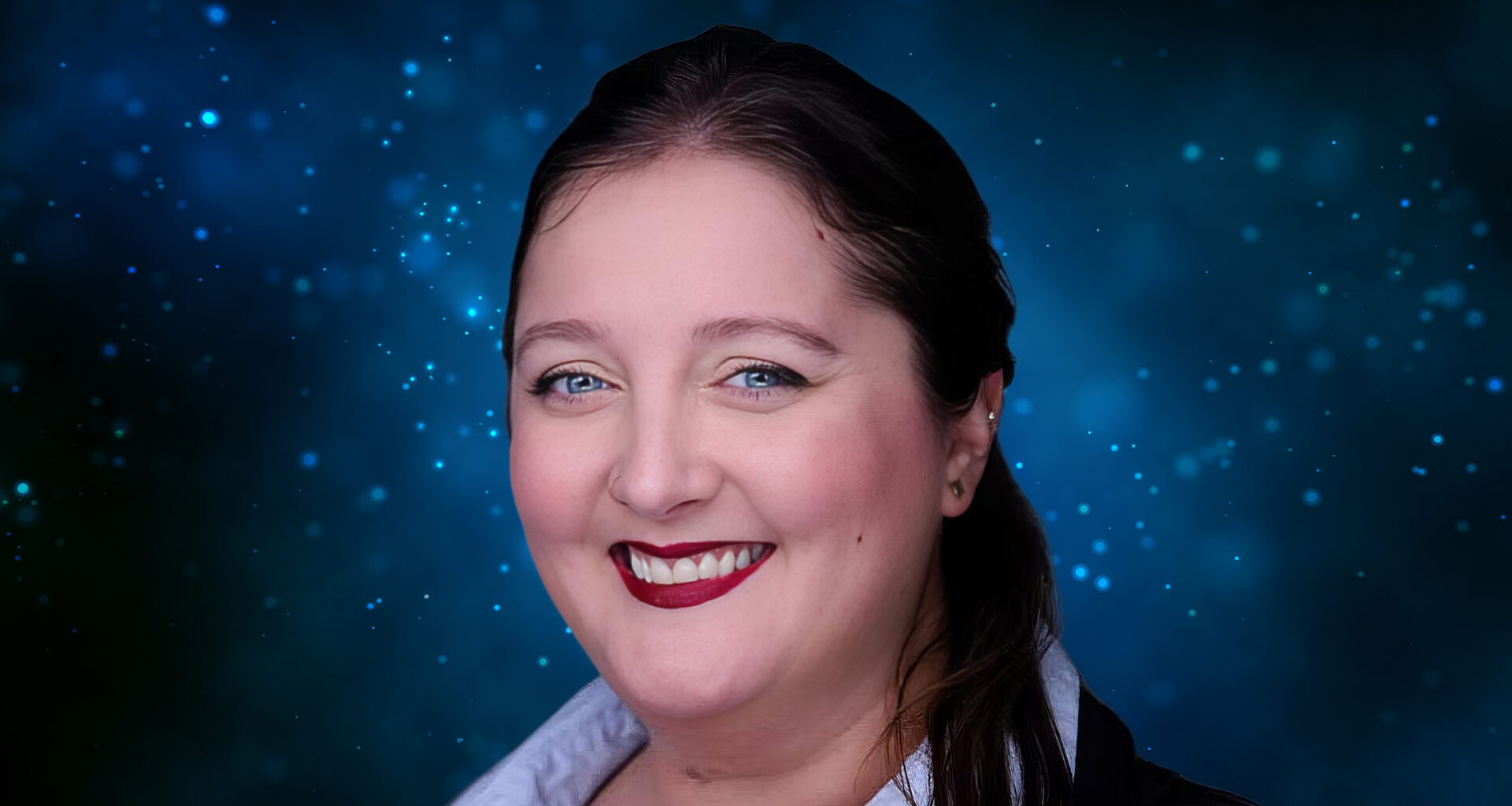
Below are the candidate responses from Linsey Grove:

— Profession: CEO and Co-Owner of The Hypatia Collaborative
— Education: I received my Bachelor of Science in Public Health and Health Education from Central Michigan University in 2010. I earned my Master of Public Health in 2013 and Doctorate in Public Health in 2018 from the University of South Florida.
— Years in St. Pete: 16
— Years in your district: 13
— Civil Service/Volunteerism: I have been a member of the League of Women Voters of the St. Petersburg Area since 2017 and served as the president from 2019 to 2022. I co-founded the Social Justice Committee and worked diligently to build partnerships across the city to increase voter turnout and civic engagement. I led a civic health study that was funded by the Foundation for a Healthy St. Petersburg and was published in 2019. This same funding supported a campaign, Democracy Starts at Home, to increase voter turnout using mail ballots in the precincts with the lowest voter turnout in St. Petersburg. My political experience includes managing the campaign of Dr. Keesha Benson for Pinellas County School Board, District 3 At-Large in 2022. I was appointed to the Pinellas County Council for Persons with Disabilities in 2017 by Commissioner Charlie Justice. I was appointed to the Pinellas County Charter Review Commission in 2023 as an at-large member and served as the Vice Chair.

— Why are you running for office?: For the past 15 years, I have been a part of many initiatives to address city issues, and when we need to advocate to our elected officials, momentum stops. Many feel that our city and elected officials are inaccessible; I will be the council member that residents can come to with ideas, partner with, and trust to represent them. As the only candidate to qualify by petition and canvass over 2500+ voters, I will listen to residents and work hard on issues that matter the most to voters.
— What makes you the best choice for voters in your district?: I have worked tirelessly to build relationships across communities, organizations, and institutions to make our neighborhoods and residents safer, better connected, and more engaged. I have served on multiple county government boards to review and provide input on policy. This makes me uniquely qualified; I can navigate many different spaces in one of the most diverse districts in our city. This will be critical as we collectively find ways to improve our city and the quality of life for residents.
— Top three issues to address if elected, and how would you accomplish them?: My top three priorities are increasing affordability for residents and small businesses, investing in infrastructure upgrades in water and wastewater systems, public transit, and streets, and creating an accessible city government that provides better support for neighborhood associations and programs and improves citizen engagement. I would tackle affordability by investing in new affordable housing, repair and rehab programs to preserve affordable housing, and promoting upzoning that creates and incentivizes density and sustainability. Additionally, I would work to expand public transit as a way to reduce transportation costs for residents and workers. Coupled with infrastructure, I would push for investment in Complete Streets to make our streets safer for everyone, regardless of their mode of transportation, and work with the county, state, and federal transportation departments to address roads that need repair (specifically in South St. Pete). Our stormwater infrastructure needs significant upgrades due to 20+ years of deferred maintenance–I would continue the SPAR initiative and lateral line rebate program (another cost-saving measure for residents), and identify other preventive upgrades needed to protect our residents and neighborhoods against future extreme weather and the effects of climate change. Finally, a better-connected city is a more resilient city. I would work with our Neighborhood Services leadership and CONA to create more opportunities for residents to engage with each other and the city, look at ways to improve communication and trust by partnering with neighborhood associations, and strengthen the social fabric of our community.
— How would you serve differently than your predecessor, if elected?: I appreciate the service of Councilmember Driscoll—she has been adaptable to a rapidly changing city and the needs of residents. Given our different professional backgrounds and skill sets, I bring a public health and social services lens to public service. As a CEO and small business owner running a multi-million dollar public-private partnership, I also bring that experience and systems-thinking to the dias.
— How would you ensure residents in your district are heard and their issues addressed?: As a public health practitioner, I am trained in how to communicate complicated topics to general audiences. Additionally, as a podcast co-host and producer, certified social marketer, and community organizer, I have ample experience in communicating with and actively listening to different audiences. I would host periodic community workshops and events where residents can voice their concerns throughout the district. I will work closely with neighborhood associations and CONA to listen to residents and inform the community of important information. I would host meetings after work hours and work with community partners to provide childcare at community events to reduce barriers to engagement. I would also use different communication channels to educate and inform residents about city programs, opportunities, and important information.
— St. Pete, like many other communities, is experiencing an affordability crisis. As a City Council member, how would you ease the financial burden for residents?: Many residents are struggling to make ends meet. I would ease the financial burden of residents by working to make housing, both ownership and rental, more affordable. This includes building and rehabbing affordable housing, providing low-cost repair programs to help residents stay in their homes safely, and limiting corporate purchases of single-family homes in areas like the South St. Petersburg Community Redevelopment Area. By expanding public transit and investing in Complete Streets, we can make our streets and traffic safer and more accessible to people with any mobility needs. Workforce development initiatives that help upskill and reskill workers for high-demand, higher-wage jobs is another way we can help residents increase their income to address costs.
— The city’s infrastructure is aging and long-overdue for major upgrades and repairs, yet the issue has continued over several mayoral administrations. How would you work to ensure the city’s water and wastewater infrastructure is brought to modern standards?: We need to invest in our infrastructure badly; over 20 years of deferred maintenance and climate change have contributed to flooding and property damage. I support asking voters to approve a new government bond to expedite water and wastewater projects. I would also support the continuation of the SPAR program to accelerate projects that address flooding, at-risk infrastructure, and long-term community impacts. I would like to see a more comprehensive sustainability and resiliency plan that includes the interconnected systems of public works (water and wastewater), facilities, canopy, renewable energy, housing development, and transit.
— High water bills, often unexplainable, have been plaguing some city residents in recent years and months. How would you solve that issue?: Many residents, including myself, have been paying higher water bills — in some cases, higher than my electricity bill! I believe that investing in needed upgrades to our stormwater and water utility infrastructure will help decrease overall utility bills for residents. The rates were raised last year due to much-needed improvements after 20+ years of deferred maintenance. In the short-term, I think we should take a case management approach to high water bills with residents. This means not only having a clear, consistent dispute process, payment plans, and finding funding to help low-income residents but also implementing preventive measures like smart meters to more accurately measure water usage and replace outdated meters across the city.
— Over the past many years, the state Legislature has imposed several preemptions on cities and counties. Recently, the state forced the removal of street murals. How would you balance the need to follow the law with the needs of the communities you serve?: Home rule is essential to local government meeting the unique needs of its residents. Unfortunately, the state Legislature has used preemption to control local governments and push its political agenda at the expense of voters. I would balance the need to follow the law with the needs of the communities I serve by assessing the constitutionality, legal precedent, and harm done to the communities impacted by the law. I would work closely with advocates and our legal department to complete this assessment and form a plan that best protects our communities with available legal pathways.
— A decision on the future of the Historic Gas Plant will come before the next Council. If elected, what would you prioritize for the site’s redevelopment?: Like our waterfront parks, we only get one chance to do this right. After many conversations with residents, some of whom are Gas Plant descendants, we need to ensure that there is ample, diverse community input to drive the redevelopment process. Selling the 86 acres to one developer could restrict our ability to have a community-driven development process, maximize long-term public return, and meet the changing needs of our city. I believe other mechanisms can allow for city ownership, benefit residents, and ensure that the needs of our city (current and future) are met. I would like to see more Community Benefits Advisory Board powers to ensure that this development has specific community benefits with accountability measures included.
— What steps would you take, and what measures would you support, to continue enhancing sustainability and resilience across the city as stronger and more frequent hurricanes threaten our coastal and low-lying communities?: I believe that St. Petersburg’s sustainability and resiliency planning is on the right track, but there is always more the City can do and learn to make it comprehensive and adaptable to the needs of our community, increasingly severe weather, and environmental health. I would prioritize infrastructure updates and upgrades given the dire need. Our stormwater system has experienced 20+ years of deferred maintenance. It is in serious need of updates to protect residents, prevent various types of flooding, and reduce spillage into Tampa Bay. As a peninsular, coastal city consisting of almost 50% coastal high-hazard areas, we must work to reform land use and development regulations to protect citizens and the environment, create affordable housing and sustainable rehabilitation programs that can prevent or reduce climate gentrification, begin investing in preventive infrastructure that can mitigate sea level rise, extreme weather, and increasing temperatures, and transition our energy grid to renewable energy.
Please add any other personal, professional or campaign-related details not included in these questions: I did not use any AI to assist me with my responses or alter my headshot photo. I believe that it is important to respond to all questionnaires in my own words because I am the one who is running for office, not AI.
___
Florida Politics Senior Politics Editor Janelle Irwin Taylor contributed to this report.