
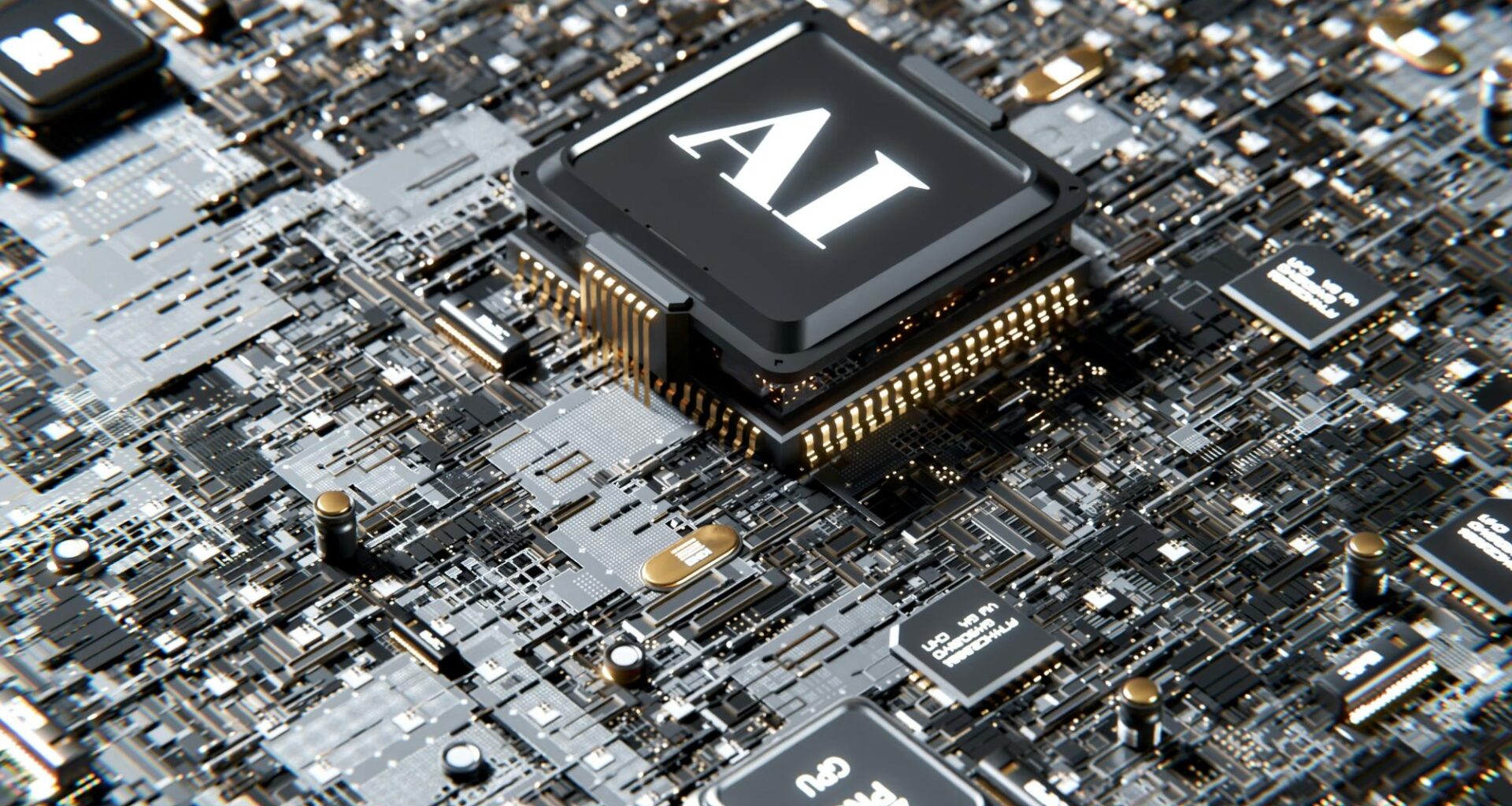
The world has a new sight — and it’s an artificial one. Artificial intelligence. But what is AI really, and how is it changing the world as we know it? Is it merely a bubble, or is it here to stay? With so much uncertainty surrounding AI, ethics have become a key part of the conversation. It is not just writing that is being replaced. Once human-dominated skills, tasks and jobs have become obsolete, seemingly replaced by AI overnight.
It is hard to compete when AI systems can analyze in hours what would otherwise take humans years. Artificial intelligence is optimizing workloads, making once unfathomable tasks a reality. Refusal to adapt to such a powerful tool is self-sabotaging, as harnessing AI now will put you ahead of the bell curve. Adapt or be left behind.
Story continues below advertisement
The widespread adoption of AI among institutions and government bodies is a telltale sign that times have changed. Not only is it being integrated into business models and national security strategies worldwide, but Wall Street’s darling and the world’s largest company by market capitalization, Nvidia, is AI-centered. AI’s rise to the top is no accident but rather the result of a revolutionary technology with the ability to tap into every market and aspect of society. Turning a blind eye to its undeniable influence and potential is nothing short of naive.
Imagine the human thought process as a manual transmission. Then one day, the automatic transmission comes along, optimizing the way we think. Is the automatic transmission wrong simply because it is faster and easier to operate?
There seems to be a popular narrative circulating, suggesting AI will be humanity’s demise, but this is far-fetched. It is easy to deem AI dangerous when you fail to grasp what it actually is and what it is not. Most people cannot distinguish between outlandish dystopian AI narratives and reality, blinding them to the prospect of an AI-integrated society. AI is a human-built and managed tool that requires a human-derived prompt. While some speculate that critical thinking AI is not far from inception, such a feat is impossible, as the critical thinking trait belongs exclusively to conscious biotic organisms with a sense of morality. Artificial intelligence will always have a human touch, as it is unable to possess these natural traits on its own.
Believe it or not, AI is not the enemy. It’s our ally and personal assistant. It makes inherently tricky, time-consuming tasks a breeze by augmenting the human thought process. Biotechs and pharmaceutical companies can now discover new drugs by analyzing millions of data points in a fraction of the time it traditionally takes. Increasing human life expectancy is just one of the many ways artificial intelligence is advancing society.
FGCU has begun implementing AI into its curriculum as part of what the university is calling a “campus-wide AI initiative.” The rollout includes two programs: the FGCU AI Academy and the FGCU AI Excellence Hub.
Is this a step in the right direction or a simple case of FOMO? Professors must ask themselves whether AI is a crucial part of career readiness. The consensus among professors is torn. While some professors encourage the use of AI applications as a form of guidance and editing, others outright reject its use in academia. AI in a university setting is the subject of heightened controversy due to its blatant misuse to cheat on assignments.
Only time will tell where AI will take us. Be proactive now so you can reap the rewards of artificial intelligence later. How will you capitalize on this world-altering technological advancement?