
Every day, someone calls 311.
The report is familiar.
Someone is sleeping behind a shopping center. A tent has appeared in the woods. A person is resting on a park bench. A family is living in their car.
The caller is often described as a concerned citizen.
I believe many of them truly are.
If someone were camping behind my business or in my neighborhood, I’d probably want someone to respond too.
But after every 311 call, after every camp closure, after every request for someone to move along, I find myself asking the same question.
Where are they supposed to go?
Not tomorrow.
Not next week.
Today.
As the executive director of a day resource center serving people experiencing homelessness, I’ve watched our community make incredible progress. Orange County has invested in housing, bridge housing, outreach, behavioral health and healthcare partnerships that are helping people move toward stability. Many communities work together every day because everyone wants the same thing: fewer people living outside and more people safely housed.
Those investments matter.
But there is one part of the system that remains missing.
When someone is told they cannot stay where they are, we don’t always have somewhere they can realistically go.
And that’s the conversation our community needs to have.
What many people don’t see is what happens before someone accepts help.
It can take weeks. Sometimes months.
Months of outreach workers showing up consistently. Learning someone’s story. Earning trust. Helping replace an ID. Connecting them to medical care. Completing benefit applications. Finding employment opportunities. Encouraging treatment. Slowly helping someone believe that maybe, just maybe, this time things can be different.
Trust is the foundation of every success story.
Then a camp is closed.
People scatter.
And outreach teams begin searching for the very people they had finally convinced to accept help.
As one of our street-outreach case managers recently told me, “Building trust with someone living unsheltered doesn’t happen overnight. It often takes weeks or months of consistently showing up before someone feels safe enough to accept help.”
When that connection is broken, it’s not just a location that changes.
It’s the momentum.
It’s the relationship.
It’s the case plan.
It’s the housing application that never gets completed because the client can’t be found.
It’s the doctor’s appointment they miss because their phone disappeared.
It’s the person who finally whispered, “I’m ready,” only to disappear before an outreach worker could find them again.
None of us want people living in tents.
Not the people making the 311 calls.
Not business owners.
Not outreach workers.
And certainly not the people sleeping outside.
But if our only solution is to tell someone they cannot stay where they are, then we have an obligation to answer the next question.
Where are they supposed to go?
Because simply moving someone from one patch of woods to another isn’t solving homelessness.
It’s moving homelessness.
Our community has built much of what is needed to help people rebuild their lives. Now we need to finish what we’ve started.
We need more low-barrier shelter options for people who have pets, partners, untreated mental illness, active substance use disorders or other barriers that prevent them from accessing traditional shelter. We need greater access to detox and recovery programs. We need more behavioral health resources and supportive housing so that when someone says, “I’m ready,” we have somewhere to take them.
Because readiness doesn’t wait for a bed to become available.
And hope doesn’t stay forever.
Camping bans may move people out of public view, but they don’t end homelessness.
People don’t disappear because an ordinance was passed.
They simply disappear from one place and reappear somewhere else — often farther from the very people trying to help them.
If we truly want fewer encampments, fewer 311 calls and safer communities, we have to stop measuring success by how quickly people move.
We should measure success by how many people never have to sleep outside again.
The next time someone calls 311, I hope we all ask one more question after someone responds.
Where are they supposed to go?
Until our community can answer that question with something better than somewhere else, we haven’t solved the problem.
We’ve simply moved it.
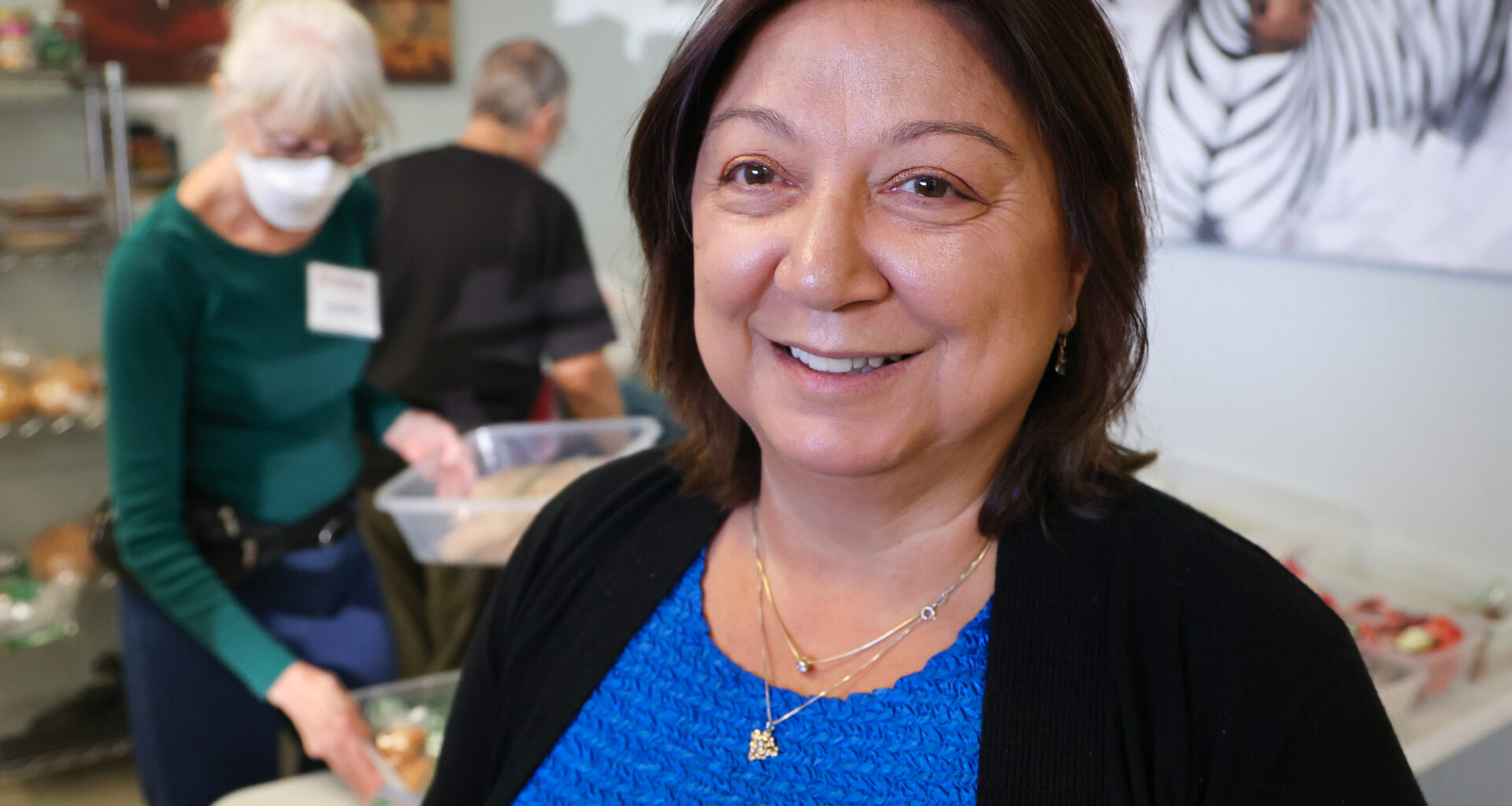
Zeynep Portway has been executive director of the Samaritan Resource Center in East Orlando since 2020. She was a finalist for the 2025 Central Floridian of the Year award.