
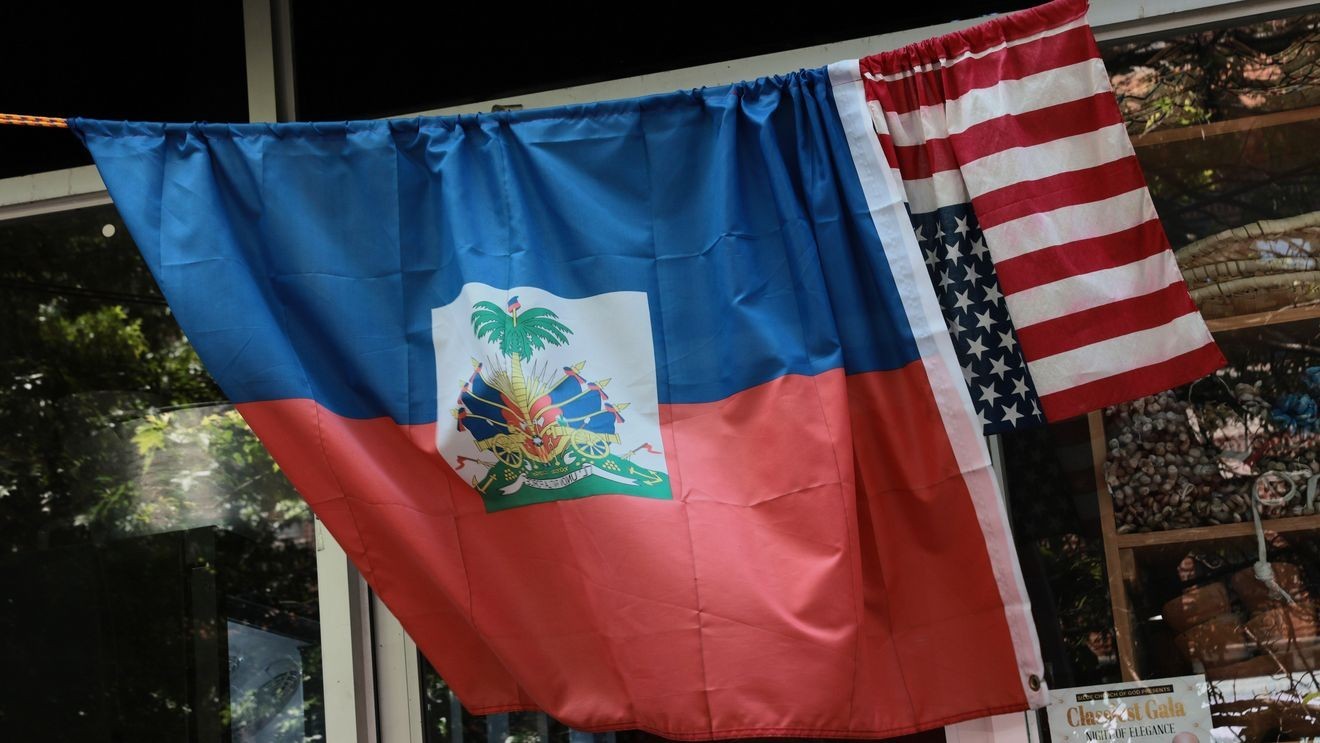
PALM BEACH COUNTY, Fla. (CBS12) — Temporary Protected Status (TPS) for many Haitians officially expired Monday, ending deportation protections and work authorization for hundreds of thousands of people across the United States and creating uncertainty for workers, employers and families throughout South Florida.
The deadline follows a U.S. Supreme Court decision that allowed the Trump administration to move forward with ending TPS for Haitians. U.S. Citizenship and Immigration Services said employment authorization tied to Haitian TPS remained valid through July 27 while the agency implemented the court’s ruling.
Haitian TPS protections end, bringing uncertainty for South Florida workers, and families. CBS12’s Paige Meyer reports.
South Florida is expected to feel the effects more than most regions of the country because it is home to the nation’s largest Haitian community. According to immigrant advocacy organizations, an estimated 158,000 Haitians in Florida have been living and working under TPS.
Advocates and business leaders say many TPS holders work in critical industries, including healthcare, hospitality and tourism. They warn that losing experienced workers could worsen existing labor shortages and create new challenges for employers that depend on those employees. The uncertainty extends beyond the workplace.
Many Haitian TPS holders have spent years building lives in South Florida after the program was first granted following Haiti’s devastating 2010 earthquake. Since then, many have purchased homes, started businesses, raised families and contributed to the local economy.
Over the weekend, immigration advocates gathered across South Florida to encourage affected families to meet with immigration attorneys, organize important legal and financial documents and explore any immigration options that may still be available. Attorneys stress that the end of TPS does not necessarily mean every individual face immediate removal and say each case should be evaluated independently.
Federal officials have indicated immigration enforcement efforts targeting Haitian migrants could expand following Monday’s deadline, adding to concerns among families and employers across the region.