
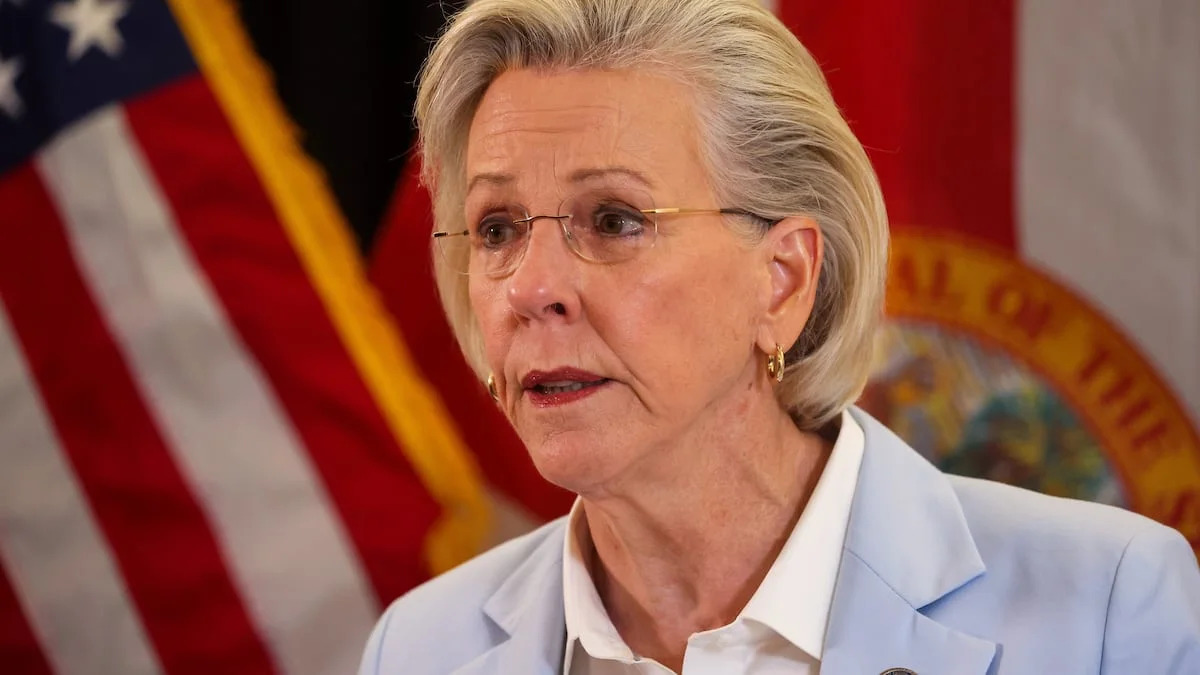
Tampa Mayor Jane Castor said the city is bracing for the effects of Florida’s proposed property tax amendment as she presented next year’s budget to the Tampa City Council on Thursday.
“We’re facing significant economic uncertainty driven by inflation and, in particular, Amendment 3, which would fundamentally change how cities across Florida fund local government,” Castor, who is on vacation, said in a video presentation. It was her final budget proposal before she leaves office due to term limits next spring.
Castor’s budget asks for more than $2 billion — up roughly 2% from this year’s spending plan to keep up with climbing costs and wages, said Chief Financial Officer Dennis Rogero.
Still, Rogero said, the budget prepares Tampa for the uncertain effects of the sweeping property tax amendment that voters will see on ballots in November.
The initiative, approved by Florida’s Republican-led Legislature in June, would triple the current $50,000 homestead exemption on primary residences 2027. It would increase to $250,000 the following year, saving residents thousands on their property taxes. Floridians who own the homes they live in would still have to pay property taxes that fund schools.
The incremental increase means local governments would see steeper revenue losses over time.
Tampa is projected to bring in more than $397 million from property taxes next fiscal year, Rogero said, adding that growth has cooled in recent years.
If the amendment passes, Castor said, the city is poised to lose more than $35 million in the 2028 fiscal year and more than $60 million the following year. She listed initiatives that could be vulnerable, including affordable housing, youth programming, stormwater services, parks and homeless services.
“We will be put in a very difficult position, and we’re part of a big club,” Rogero said. Local leaders across Florida have warned that the changes could trigger budget cuts, higher taxes and slashed services for their cities and counties.
“Will we cut budgets? Will we cut positions? Will we cut services?” he said. “I don’t know. Time will tell.”
Next year’s budget is not directly affected by the proposal, but it includes preparatory measures, Rogero said. For example, no money was allocated for new jobs, and some project funds were moved into the city’s reserves.
Castor’s proposal includes $446.6 million for public safety services, which she said could also face threats if the amendment passes. Tampa’s police and fire departments are funded with revenue from property taxes.
“Without another long-term funding solution,” Castor said, “the city would face difficult decisions regarding staff and service levels, including public safety.”
The mayor’s budget also includes hundreds of millions of dollars for water and wastewater projects and funding for stormwater pumps, street resurfacing, parks and sidewalks.
The proposed tax rate, or millage, will remain at 6.2076 mills. Under the current homestead exemption, someone with a primary residence valued at $400,000 would owe roughly $2,173 in property taxes to the city next year.
The City Council will hold workshops on the budget proposal in August and host a series of public hearings the following month. The new budget year begins Oct. 1.