
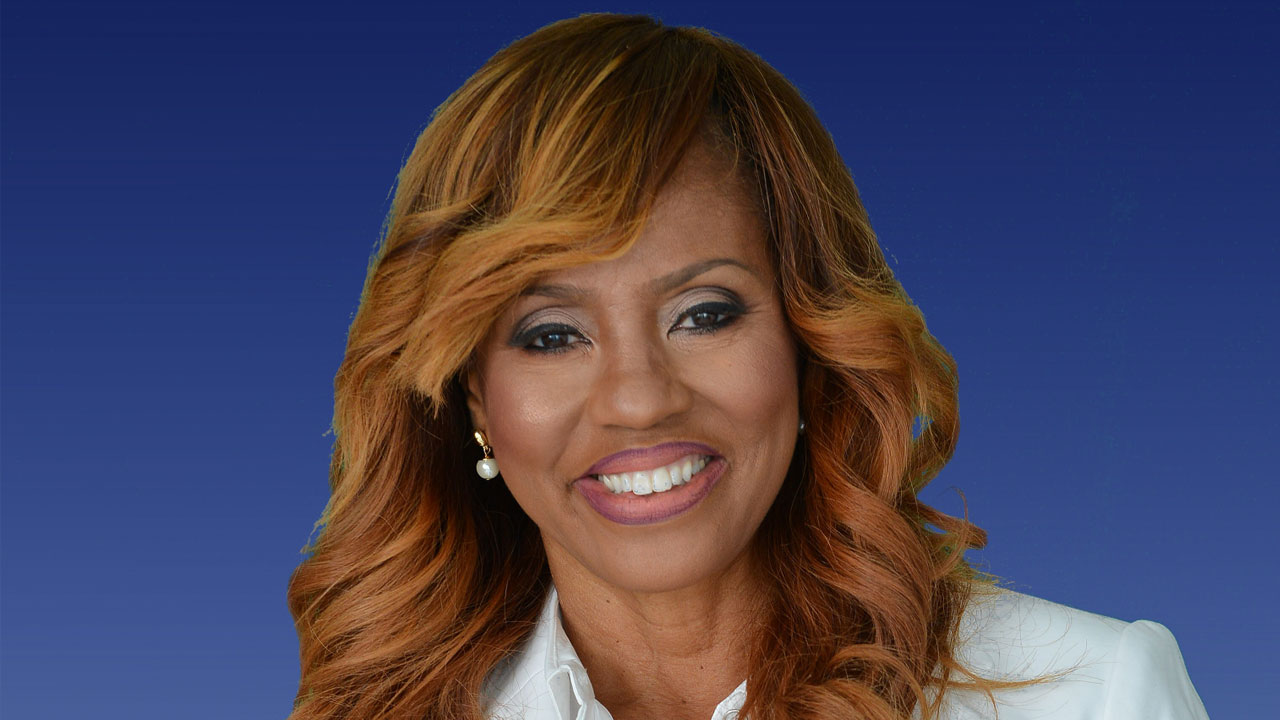
Campaign website: berylthompsonmcclary.com
Candidate Q&A: The questions below are based on voter questions and expressed priorities. Each of the candidates within a race were asked the same questions and given the same amount of time to respond. The candidates’ answers were fact checked, checked for spelling and grammar but otherwise unedited.
If elected, what are the most pressing problems you want to address, and what do you suggest to solve them? Please list each issue and how you will address them:
Affordable Housing and Cost of Living
Affordability is the biggest challenge facing Orange County families. Housing costs, insurance, utilities, and property taxes continue to rise, while many families’ incomes have not kept pace. My goal is to make Orange County a place where teachers, first responders, seniors, young families, and working professionals can afford to live and thrive.
I will address this by increasing the supply of workforce and attainable housing through faster permitting, supporting Accessory Dwelling Units (ADUs), and encouraging responsible development near jobs and transit. I will advocate for targeted property tax relief for seniors and low- and middle-income homeowners, require new development to pay its fair share through impact fees so existing residents aren’t left with the bill, and improve transportation infrastructure to reduce commuting costs. I will also build partnerships with nonprofit housing organizations and the private sector to create more affordable homeownership opportunities.
My commitment is straightforward: protect taxpayers, spend your money wisely, and make Orange County a place where families can afford to live, work, and build a better future.
Infrastructure
Orange County is growing rapidly, and if we do not plan wisely, our water quality, flood safety, and quality of life are at risk. Growth must pay its fair share instead of leaving existing residents with higher bills and more flooding, traffic, and pollution.
I will push for infrastructure planning that is tied to realistic population growth and climate realities, so we are not approving large developments without adequate roads, drainage, water, sewer, and public safety services. I will support investments in stormwater systems, green infrastructure, and wetland and aquifer protection to reduce flooding and protect drinking water, and I will hold polluters—not taxpayers—accountable for the cost of environmental damage. I will also advocate for land‑use decisions that protect natural areas and minimize sprawl, which drives up both infrastructure and household costs.
Accountable, Competent Government
District 7 deserves a county government that delivers results—not excuses. Residents in Maitland, College Park, Pine Hills, Rosemont, Eatonville, Lockhart, and Orlovista have heard promises for years while traffic worsens, flooding projects stall, infrastructure ages, and basic improvements move at a painfully slow pace.
As your County Commissioner, I will insist on clear priorities, realistic timelines, and measurable results for every major project affecting District 7. Taxpayers deserve to know what is being done, how much it costs, and when it will be completed.
For more than 30 years as an attorney, I have held people accountable for keeping their commitments. I will bring that same discipline to county government by asking the hard questions, demanding transparency, and making sure government works for the people—not the bureaucracy.
Why do you deserve to elected in this race?
District 7 is getting its first County Commissioner. We have one opportunity to set the standard for what this office should be. I believe that standard should be competence, accountability, and results.
I’m not asking people to elect me because I’ve spent 35 years as an attorney. I’m asking for their vote because those 35 years prepared me to do this job well.
I’ve built a career solving difficult problems, negotiating competing interests, reading the fine print, managing budgets, and holding people accountable. Those are the same skills a County Commissioner uses every day when deciding how taxpayer dollars are spent, how growth is managed, and how our communities move forward.
I also understand the realities of this office. The first term is only two years, and much of the first year’s budget will already be in place before the next commissioner is sworn in. That means I’m not going to make promises I can’t keep.
Instead, my first responsibility will be to make sure county government delivers on the promises it has already made. If a road project is years behind schedule, I want to know why. If flooding improvements have stalled, I want to know what’s standing in the way. If taxpayers are investing millions of dollars, they deserve to see measurable results—not endless studies and delayed timelines.
At the same time, I’ll help shape the next county budget and the next generation of priorities so District 7 is positioned for long-term success. Every decision I make will be guided by one question: Will this improve the daily lives of the people who live here?
I’ve called District 7 home for more than 35 years. I know the character of Maitland and College Park. I know the pride of Eatonville. I know the challenges facing Lockhart, Rosemont, Orlo Vista, and Pine Hills. Every community deserves the same attention, the same respect, and the same commitment to results.
I’m not running to be a career politician. I’m running to be a commissioner who does the job well.
When my first two years are over, I don’t want residents talking about me. I want them talking about what got done—projects completed, neighborhoods protected, taxpayer dollars respected, and a county government that kept its word.
That’s the standard I intend to set for District 7.
According to a University of North Florida poll, Floridians say affordability is their top issue. What are your solutions for dealing with Florida’s affordability issue?
First, I will increase the supply of attainable housing by supporting a mix of housing options—including workforce housing, accessory dwelling units where appropriate, and redevelopment of underused commercial properties—while protecting the character of existing neighborhoods. Teachers, firefighters, nurses, law enforcement officers, and young families should be able to live in the communities they serve.
Second, I will make sure county government spends taxpayer dollars wisely. Every dollar we save through greater efficiency is a dollar we don’t have to ask taxpayers to provide. I will carefully review spending, eliminate waste where possible, and focus our budget on core services that residents depend on.
Third, we must invest in infrastructure that saves people both time and money. Better traffic signal synchronization, improved roads, and reliable stormwater systems reduce fuel costs, vehicle repairs, lost productivity, and the financial burden that comes from flooding.
Finally, I will support policies that help create high-paying jobs by encouraging responsible economic development, supporting small businesses, and preparing our workforce for growing industries. The best affordability program is a good-paying job that allows families to build financial security.
Affordability isn’t solved by one policy. It requires responsible budgeting, thoughtful growth, more housing choices, strong infrastructure, and a local government that respects every taxpayer dollar. That is the approach I will bring as your Orange County Commissioner.
Will you vote YES or NO on the constitutional amendment to slash property taxes and explain your position. How would you replace lost revenue – fees and/or service reductions?
Property Tax – I will vote No.
I understand why this amendment is appealing — property taxes in Florida have become a genuine burden, especially for long-term homeowners on fixed incomes watching their assessments climb. That pain is real and I take it seriously.
But slashing property taxes without a credible replacement plan does not solve affordability. It shifts the burden. The services funded by property taxes — schools, emergency response, road maintenance, parks, public health — do not disappear when the revenue does. They either get cut or they get replaced with fees that hit working families harder than the tax relief helped them.
The honest answer is that Florida needs structural reform of how we fund public services — not a ballot amendment that creates a revenue hole and leaves counties to figure out how to fill it through service reductions or regressive fee increases. I will not support a measure that balances budgets on the backs of the residents who can least afford it.
Utility costs are rising for customers in Florida, and the proliferation of data centers is expected to exacerbate that issue. How should Florida’s utility regulators respond?
In Florida, the state Public Service Commission sets the basic utility rates and profit levels, while our local decisions in Orange County determine how expensive it is to serve us—through growth, zoning, and local fees on utility bills. The new state law on AI data centers already requires those facilities to pay their own full cost of service so those expenses aren’t shifted onto families and small businesses. As your county commissioner, I will use our local land‑use and permitting authority to make growth, including data centers, pay its fair share for infrastructure, avoid unnecessary local add‑on fees, and move sensible grid and clean‑energy projects through approval quickly, so we keep power bills as affordable and stable as possible for Orange County residents.
What do you think is the biggest environmental issue your government should address in Florida?
The biggest environmental issue Florida’s government must address is getting water right—protecting the quality of our rivers, lakes, springs, and drinking water, and reducing flooding made worse by rapid growth and stronger storms. When we allow pollution and pave over wetlands and natural lands, we don’t just harm wildlife; we drive up flooding, insurance, and infrastructure costs for families and small businesses.
As a county commissioner, I will fight for stronger protections for our waterways and wetlands, smarter growth that doesn’t sacrifice natural flood defenses, and investments in stormwater and green infrastructure so we safeguard both our environment and affordability in Orange County.
This Voters Guide was produced by the News Collaborative of Central Florida, a collective of independent local news outlets and aligned partners working toward a more informed and engaged Central Florida.