
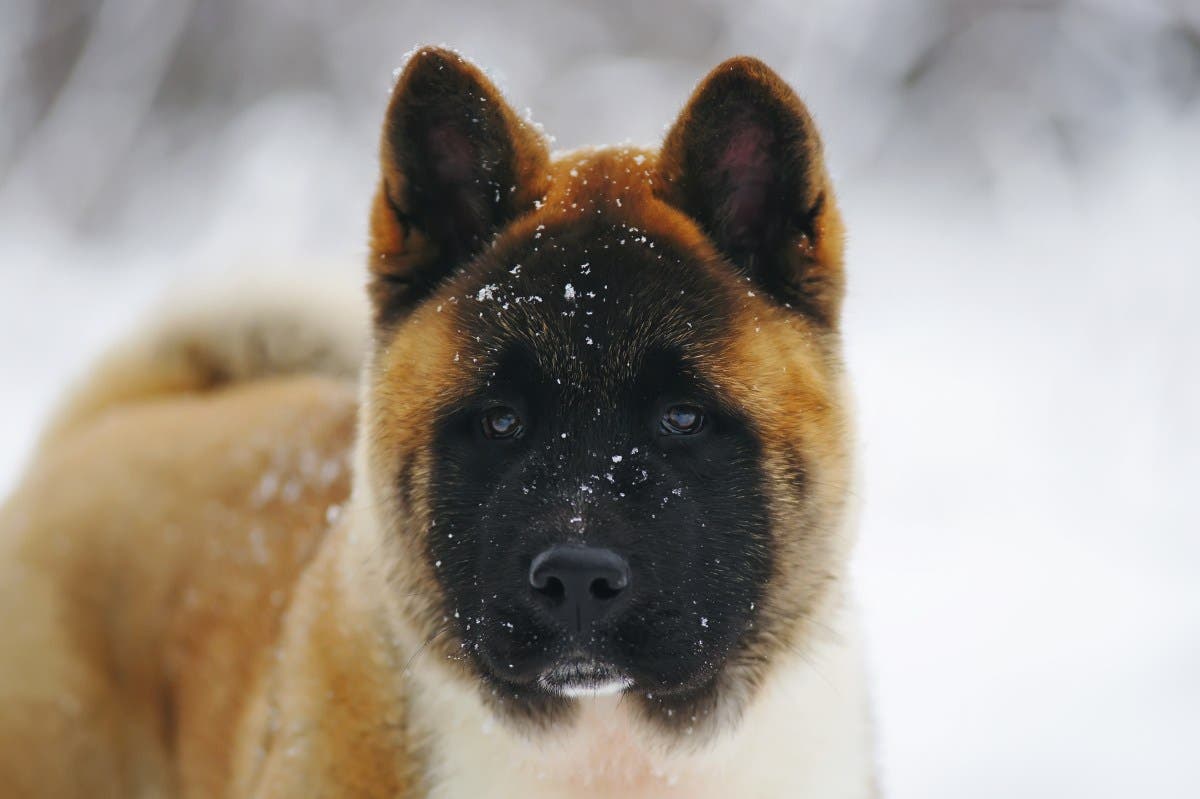
National Weather Service (NWS) meteorologists in Jacksonville, Florida, are warning people across its forecast region to bring their pets inside early next week as below-average temperatures bring a risk of frost and freeze to the area.
Low temperatures will be more than 15 degrees below normal for this time of year, NWS meteorologist Paige Klingler told Newsweek.
Why It Matters
The forecast comes as many other U.S. states have seen their first frost and hard freeze of the season. A burst of cold air is descending from Canada, bringing the risk of snow to the Northern U.S. and Great Lakes region. Winter-like temperatures will impact the eastern half of the U.S., stretching as far south as Florida.
What to Know
Although no official weather alerts are in place for Florida as of Thursday morning, NWS Jacksonville warned that temperatures will feel colder than normal early next week.
“Below average temperatures likely Monday & Tuesday following two cold frontal passages,” an infographic shared on the NWS Jacksonville website said. “Light freeze & frost possible over inland southeast Georgia and Suwannee Valley Monday and Tuesday nights.”
The steep drop in temperatures comes after the Jacksonville region saw high temperatures in the 70s and 80s on Thursday, making the dip feel particularly harsh. Highs on Monday and Tuesday will be in the 50s and 60s. Lows could dip to 30 degrees in some areas.
“Shelter people, plants, pets,” the infographic said.
The American Society for the Prevention of Cruelty to Animals (ASPCA) advises that if it feels too cold for a human outdoors, it’s also probably too cold for their pet.
Klingler said it’s still too soon to tell if a frost advisory will be issued for the Jacksonville area, given temperatures are forecast for around 35 degrees Fahrenheit there. However, she said a frost advisory and freeze watch will likely be issued for Southeast Georgia, which falls within the Jacksonville forecast region.
What People Are Saying
ASPCA in a webpage about cold weather: “If left outdoors, pets can freeze, become disoriented, lost, stolen, injured or killed. In addition, don’t leave pets alone in a car during cold weather, as cars can act as refrigerators that hold in the cold and cause animals to freeze to death.”
The American Red Cross in a webpage about pet safety during cold weather: “If your pet is whining, shivering, anxious, slower than usual or stops moving, seems weak or starts looking for warm places to burrow, get them back inside quickly because they are showing signs of hypothermia. Frostbite is harder to detect and may not be fully recognized until a few days after the damage is done. If you suspect your pet has hypothermia or frostbite, consult your veterinarian immediately.”
What Happens Next
Below-average temperatures are expected in Florida and the rest of the U.S. Southeast from November 11 to November 15, according to a six- to 10-day temperature outlook by the NWS Climate Prediction Center. Temperatures could swing up again in the days after, with above-average temperatures expected in the eight- to 14-day temperature outlook.