
1 / 3
SANIBEL SEA SCHOOL
2 / 3
SANIBEL SEA SCHOOL
3 / 3
SANIBEL SEA SCHOOL
[expand]
close
The Sanibel Sea School is partnering with The Sanibel School to enhance environmental and STEAM — Science, Technology, Engineering, Arts and Mathematics — education for kindergarten through second grade.
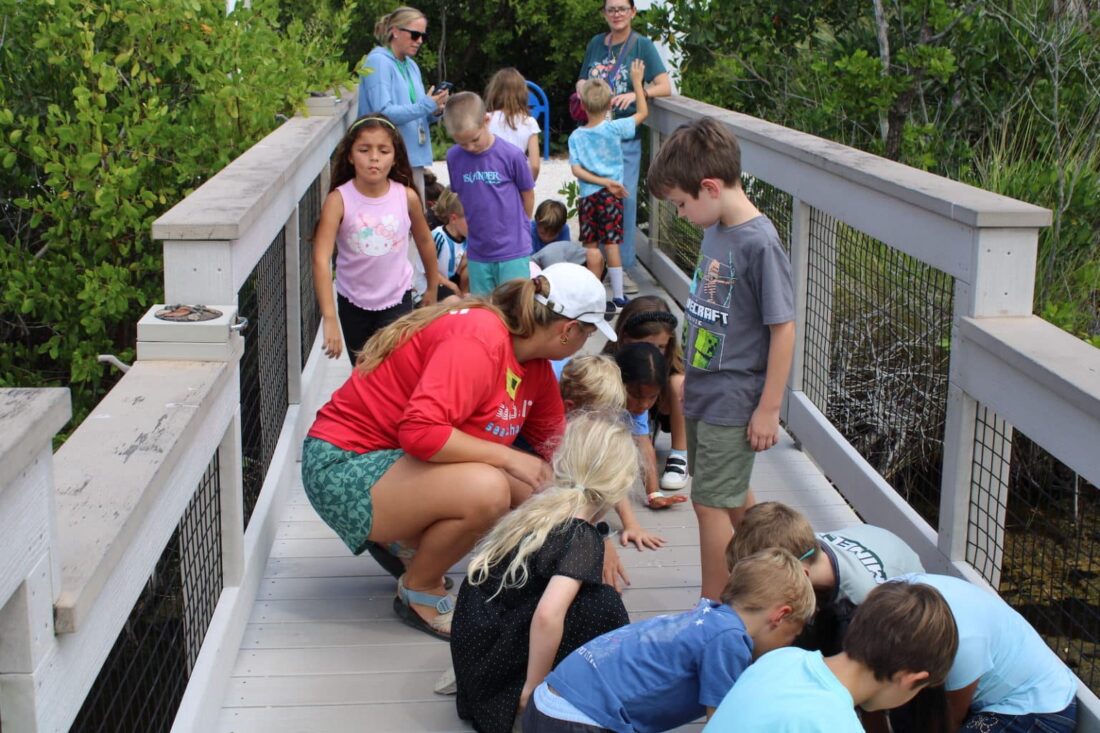
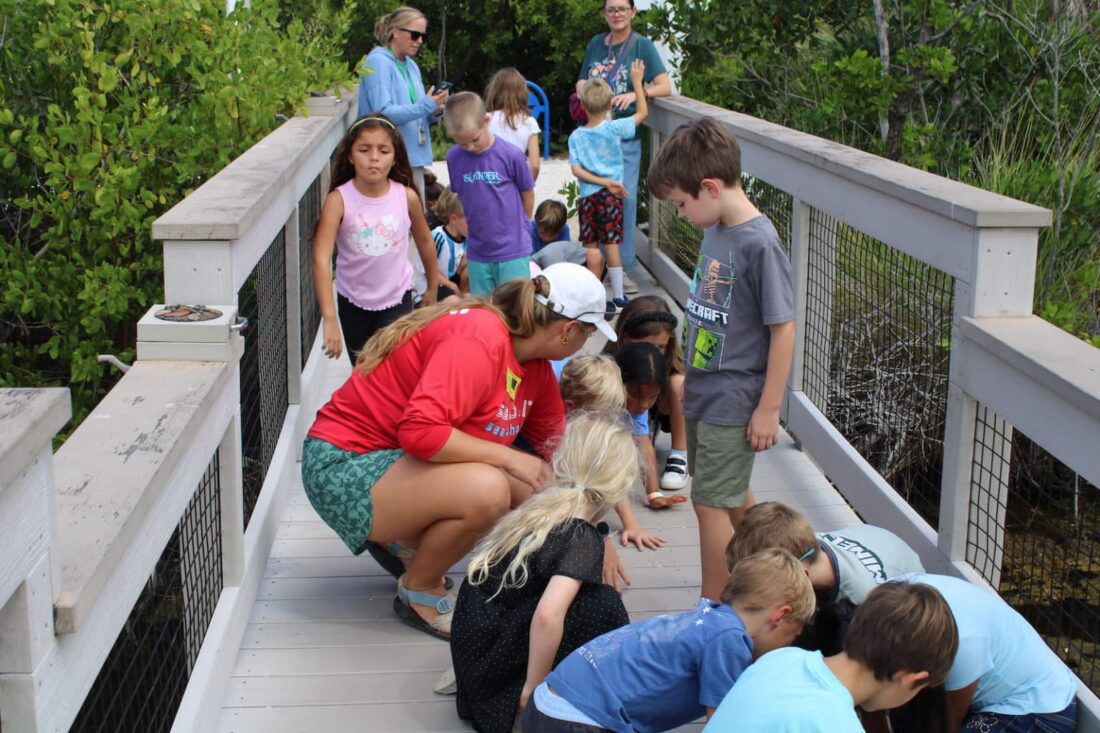
Through the collaboration, marine science educator Jordyn Sateren is meeting monthly with students as part of the school’s Environmental Education weeks, bringing place-based learning and hands-on science into the classroom.
Part of the Sanibel-Captiva Conservation Foundation (SCCF), this Sanibel Sea School program’s goals are to integrate locally focused, experiential education into the school’s curriculum, inspire a love for the natural world, and connect young learners to the SCCF’s mission of protecting and caring for Southwest Florida’s coastal ecosystems.
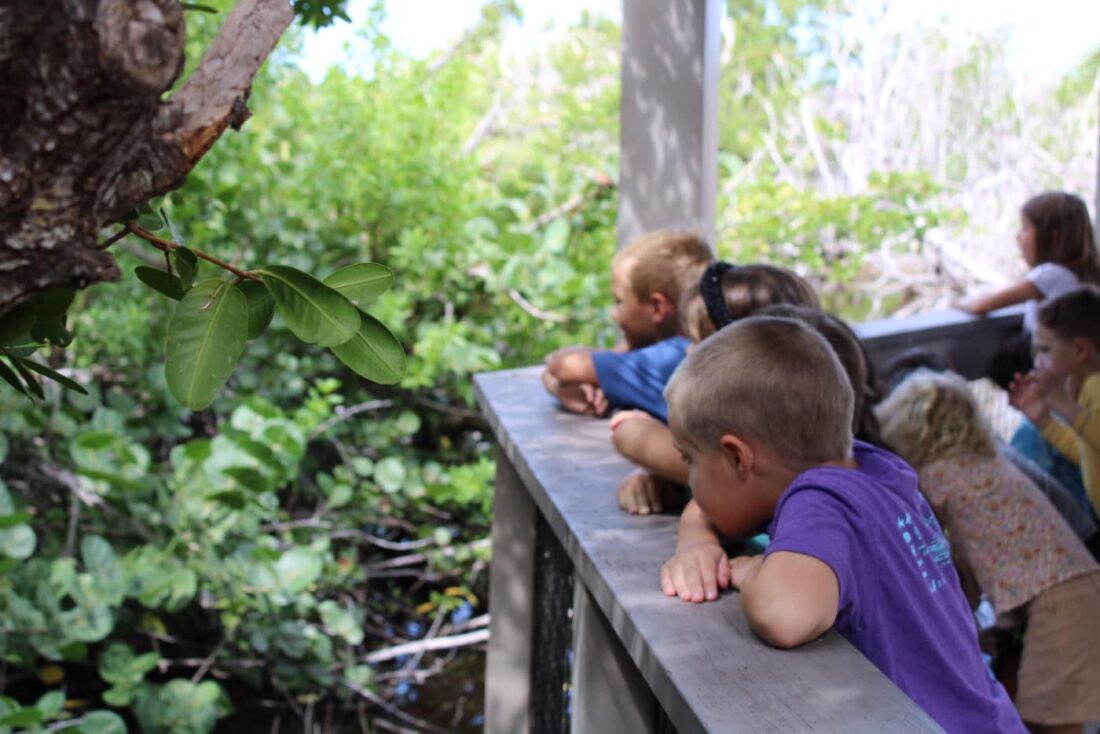
By exploring nature in their own backyards, students gain a deeper understanding of the plants, animals and ecosystems that make the barrier islands of Sanibel and Captiva so unique.
“It has been incredibly rewarding to watch students make connections between what they’re learning and the environment around them,” Sateren said. “These experiences help them see that science and conservation are not abstract ideas — they are part of their everyday lives.”
Each grade level is engaged in a specific area of environmental study:
– Kindergarteners are exploring Sanibel’s wildlife and habitats through sensory-based activities that demonstrate how animals use their senses to survive.
– First graders are learning about the connection between land and sea by studying native plants and the ecosystem services they provide. With support from the SCCF’s Native Landscapes & Garden Center, they are tending to native plant beds established around the school, identifying species, caring for them and observing seasonal changes. Classroom projects include flower dissections, creating terrariums and soil art.
– Working closely with the SCCF’s Coastal Watch, second graders are studying water quality and its role in sustaining island ecosystems. Students are constructing and monitoring vertical oyster gardens (VOGs) to observe how oysters filter water and create habitat. Their VOGs are now installed at the Sanibel Marina, providing a real-world connection between classroom learning and marine conservation.
Throughout the year, students will also take field trips to the SCCF’s Pick Preserve, allowing them to experience conservation practices firsthand and strengthen their appreciation for the island’s diverse environments.
As of Oct. 20, Sateren had completed two rounds of classroom visits this fall, meeting with each grade level in September and October. Activities have included birding excursions, sense mapping, native plant illustration and potting of new seedlings — all designed to grow observation skills and curiosity about the natural world.
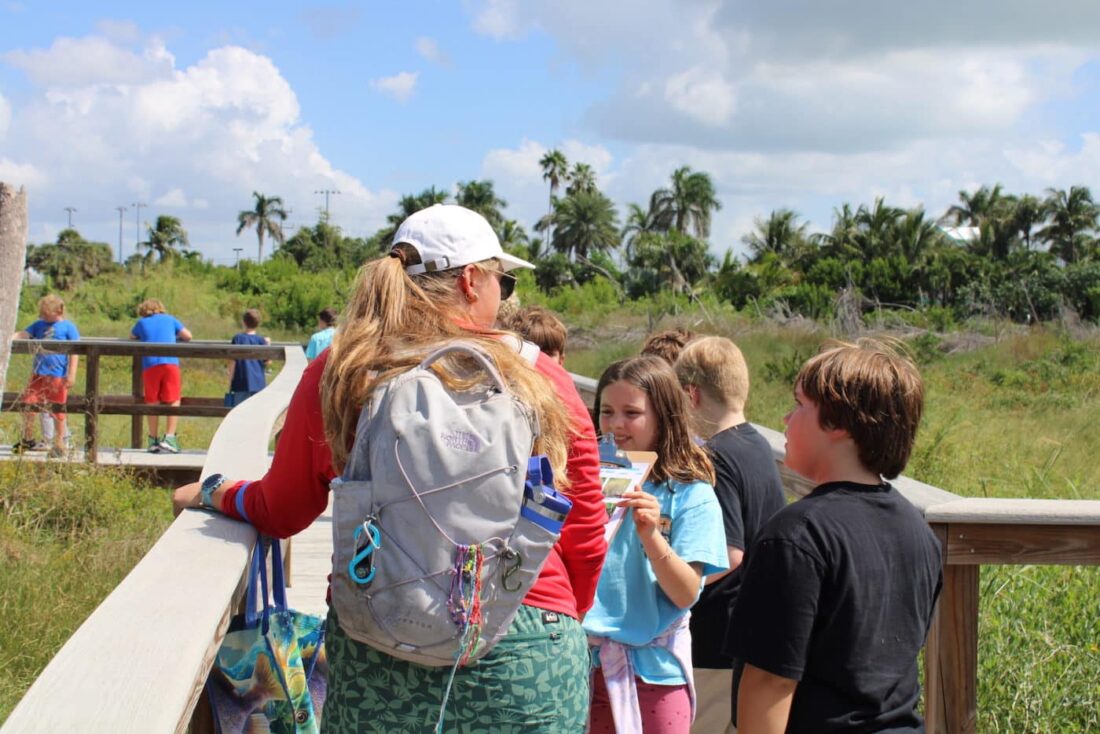
Sanibel Sea School educators will also work with grades 3-5 throughout the year. Specialty science labs are designed for middle school students, offering a deeper engagement with marine science topics. In the spring, grades K-5 will participate in a Sanibel Sea School field trip to the beach.
The SCCF noted that the collaboration between its Sanibel Sea School and the Sanibel school underscores the importance of community partnerships in education.
“By aligning local expertise with classroom learning, the program cultivates environmental literacy and stewardship among Southwest Florida’s youngest residents — ensuring that future generations remain connected to coastal ecosystems,” Sateren added.