
ORANGE COUNTY, Fla. — The ATF proposed a new rule that would change gun shopping around the country. The proposal would allow online gun purchases to be shipped directly to people’s homes.
These “non-over-the-counter firearm transactions” would still include background checks, plus what the ATF calls Remote Identity Proofing. That means a live physical facial comparison, or an automated biometrical facial comparison, like “selfie verification.”
Law enforcement would also be notified whenever a purchase is made, and the transaction requires a seven-day waiting period.
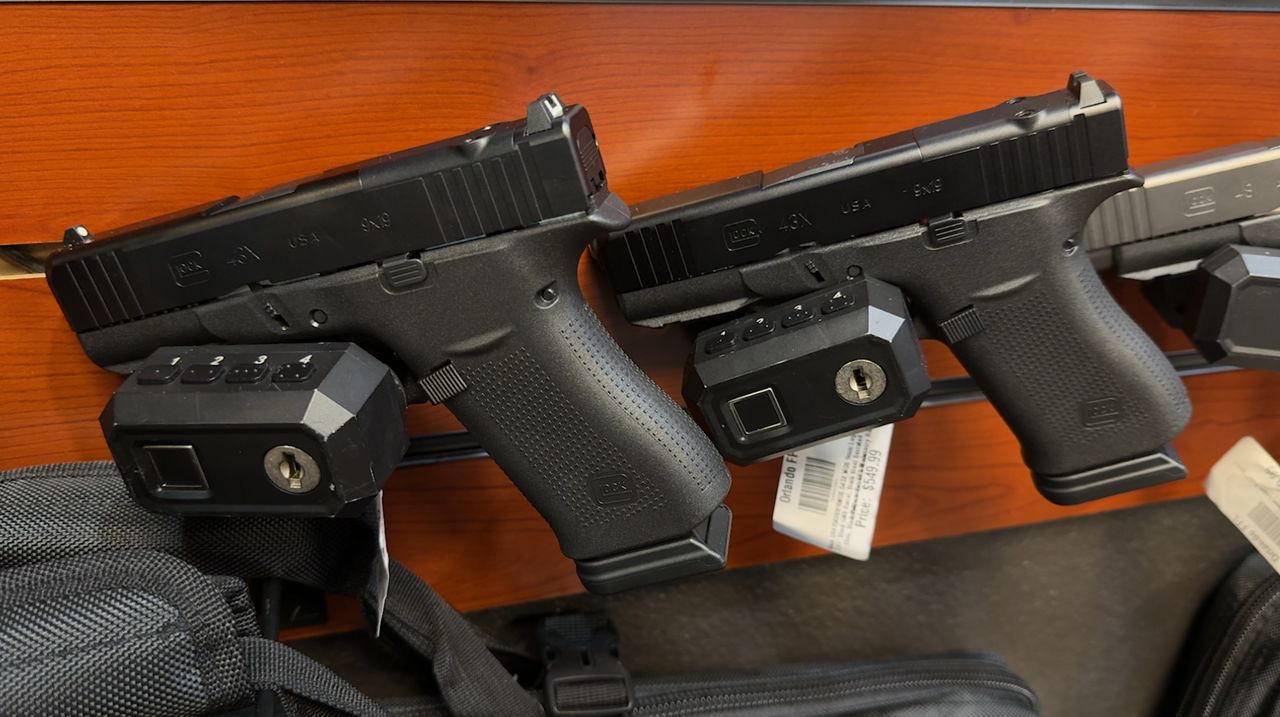
Marc Bernstein owns Orlando FFL and says the proposal raises a few questions.
“They are letting law enforcement know, hey they are getting a firearm delivered to their home,” he said. “What we don’t know is what information is going to be shared with law enforcement.”
The Florida Statute prohibits state and local governments from having a registry of private gun owners. Bernstein worries that this proposal would provide just that.
According to the proposal text, law enforcement would receive a copy of Form 4473, which includes a buyer’s name, address, citizenship status, and more.
Marion County Sheriff Billy Woods supports the proposal to deliver guns directly to homes, but has the same question as Bernstein about law enforcement receiving information about purchases.
“They have a right to the gun and it being shipped to me ain’t a big deal,” he said. “Now, we walk a thin line when we talk about gathering information on individuals, a very thin line. I’d have to read the language in totality to make sure it doesn’t cross the Second Amendment.”
The ATF shared a statement on the proposal:
“ATF’s proposed rules aim to reduce burdens on law-abiding citizens and businesses, clarify and modernize guidance, and align regulations to reflect current law, agency practice, or court precedent. The non-over-the-counter (NOTC) sales rule is emblematic of this. ATF’s proposed rule modernizes and strengthens identity-verification requirements used for this purchasing method — which has been a lawful part of firearms commerce since 1968 — and reduces burden on consumers by clarifying the regulation to align it with the plain language of 18 USC 922(c). Transfers still require a licensed dealer and a completed NICS [National Instant Background Check System] background check. As with any proposed rule, it is open for public comment, and we will review and consider all input before any final rule is issued.”
Alerting law enforcement isn’t the only step in the process that gives Bernstein pause. He says delivering guns to doorsteps takes out the human element of the sale.
“One thing we’re accountable for here to the ATF is straw purchases, which is when someone buys a gun for someone else under false pretenses,” he said. “I think when you have an online background check, you lose the emotional point that goes with that and a lot of the ways we stop straw purchases is through conversation and it’s pretty easy to pick up that they’re not buying this for themselves.”
Bernstein says that discernment is practiced weekly. He’s not alone in that concern.
Marianna Mitchem spent 20 years with the ATF and was a senior official there before joining Everytown for Gun Safety, a nonprofit dedicated to preventing gun violence and advocating for stronger gun safety laws. She’s critical of ongoing reform at the ATF.
“To me, this all just seems to be ‘let’s energize firearms commerce,’ rather than saying ‘let’s have a focus on making the country as safe as possible,’” she said.
When it comes to this specific proposal, Mitchem also worries about removing the human element from the sale.
“In my opinion, these non-over-the-counter sales are going to make it very easy for traffickers, for straw purchasers, for dangerous criminals, for domestic abusers, even kids to get firearms,” she said.
Orlando FFL has an online store, and Bernstein says he could take advantage of the proposed policy if approved.
“I think we have to look at it as a whole: what’s the liability to us, what does it mean for our customers,” he said.
The ATF has been accepting public comments since May. They will review those comments before making a decision.