
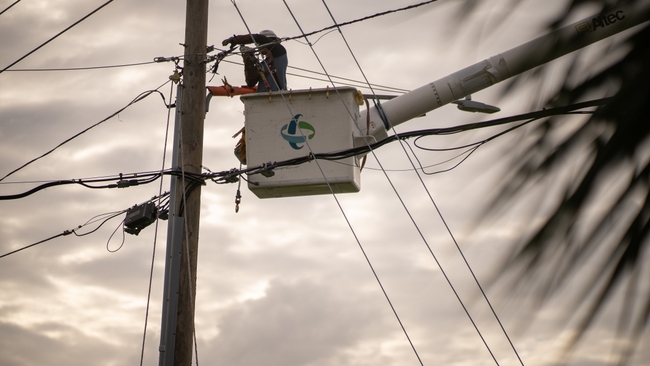
Clearwater has decided to stay with Duke Energy for the next 30 years, closing the chapter on the idea of a city-run electric utility at the same time St. Petersburg is weighing its own future with the power provider.
On Thursday, the Clearwater City Council gave unanimous approval to a new franchise agreement with Duke, keeping the city’s 6% franchise fee in place and locking in at least $1.75 million in community, resilience, and economic development commitments from the utility.
The new agreement, which replaces a deal that expired in December, means Duke will continue running Clearwater’s electrical system until about 2056. Several residents voiced concerns at the meeting, arguing that a 30-year commitment could end up costing more than if the city pursued public ownership or another alternative.
With this vote, Clearwater has put the idea of municipal power on hold for at least a generation. City officials spent months studying whether public ownership might lower electric bills, but ultimately decided that the concessions negotiated with Duke offered a more reliable path than taking on the financial and operational risks of running the system themselves.
“I don’t know if there’s ever been an issue as publicly debated as this one was,” Clearwater Mayor Bruce Rector said Thursday night. “We heard from Clearwater citizens who were in favor of us taking over. There’s been vigorous debate over it. But our consultants … never described this as a dunk. If it was easy, or inexpensive, somebody would have done it in the past 20 years, and no one has. No other municipality. So there’s a lot that goes into it. We had to consider a lot of different factors, and we landed where we landed.”

Clearwater’s decision is being watched beyond city limits. In St. Petersburg, city leaders recently set aside up to $590,000 to study whether a municipal utility could make sense there, as they reconsider their own long-term arrangement with Duke. Council Members Brandi Gabbard and Richie Floyd led the push for that review, saying the city needs independent data before entering new negotiations. For Gabbard, Duke’s role has become a campaign issue, tied to affordability, infrastructure, and accountability in her race against Mayor Ken Welch.
Despite public skepticism about a long-term deal, Clearwater opted to negotiate for more favorable terms with Duke. The agreement comes with a binding memorandum that includes at least $1.75 million in commitments. Duke will contribute $600,000 over six years for infrastructure resilience projects and plans to negotiate a 20-year naming rights sponsorship, valued at another $600,000, for improvements at Coachman Park, such as new shade structures.
Duke has also pledged funding for downtown retail development, beautification, broader economic development, and projects in the North Greenwood Community Redevelopment Area.
The concessions Clearwater secured suggest that even the possibility of leaving Duke can give a city leverage at the negotiating table. Still, the council’s decision gives critics of St. Petersburg’s study new reasons to question whether the cost of exploring municipal power is justified. Rector pointed to the high upfront expenses as a key reason for sticking with Duke.
“There are no secrets here,” Rector said. “This is what we felt like is the best solution for citizens of Clearwater, and our taxpayers who would be footing the bill to make a transition happen.”
