
Police are warning of the criminal and civil consequences adults could face for allowing underage drinking at their home.The Port St Lucie Police Department arrested 41-year-old Audrey Mahaney for contributing to the delinquency of a minor following a Halloween party. Officers responded to a home on SW Fieldstone Way after receiving multiple complaints of a large crowd of minors at a house party.According to PSLPD, officers arrived and found that the Department of Children and Family Services was also investigating after they received reports alleging that Mahaney is known to allow house parties and teens to consume alcohol. Officers found Mahaney, who was reportedly having her own gathering with adult friends. The PSLPD said they found that it was obvious there was a lack of adult supervision, and Mahaney failed to monitor the teen’s activities or safety to prevent underage drinking. Following the Halloween arrest, WPBF 25 News sat down with both law enforcement and an attorney to understand the ramifications of doing so.Master Sgt. Dominick Mesiti with the Port St Lucie Police Department said the adult could face criminal charges, such as a second-degree misdemeanor.However, he said that the charge can become more serious if, for example, one of the minors gets into a car crash while under the influence.”We did have that happen about three or four years ago in Port St. Lucie, where three teenagers lost their lives after being allowed to drink. A mother of one of the teenagers actually provided alcohol to the three teens, and all three teens died. She was eventually arrested for an upper charge of serving minors alcohol, and then that resulted in death. So she was charged with three counts of that,” he said.Mesiti said it’s important for adults to fully understand that it’s illegal to allow underage drinking and to serve minors alcohol.”The law is there for a specific reason. It’s to prevent tragedies like what happened three years ago. It tries to prevent these tragedies, but when people decide to break the law and they think they’re being the cool parent or a more responsible parent, thinking that they can control all the children and prevent them from driving, well, we’ve seen it happen where that’s not the case,” he told WPBF.Mesiti said criminal charges aren’t the only consequence, as civil litigation is also possible.WPBF 25 News spoke with attorney Dave Aronberg, who explained how that works.”When it comes to throwing a house party, giving alcohol to minors, it’s more likely that you could be sued. Under Florida law, there’s something called social host liability which anyone who willfully and unlawfully furnishes alcoholic beverages to a minor can be held liable for the injuries and the damages caused by that intoxicated minor. So that means the victim’s family can sue you personally for it,” Aronberg said.He said in civil cases, proof of negligence isn’t needed. Instead, the plaintiff only has to prove that the defendant committed a crime.”It’s much easier to get a recovery from a family that is providing alcohol to a minor than to convict them of a crime. You may get away with no jail time, but you could lose a lot of money and public embarrassment,” Aronberg said.Similar to criminal cases, Aronberg said a civil case can be elevated if someone dies as a result of an adult allowing a minor to drink in their home.”If someone dies, you can be sued for wrongful death and personal injury, and that could be all medical expenses, past and future, lost wages of the victims, property damage, pain and suffering, loss of companionship. This could be millions of dollars in damages,” he told WPBF.Aronberg said another example where an adult could face legal ramifications is if they allowed a minor to drink alcohol at their home and the minor ended up dead from drinking.”Those who defend the mother to say this is a safer place to drink, at least they’re doing it in someone’s home, have to realize that you’re making it so easy for people to get very intoxicated. When it’s an open bar in someone’s home, it’s much easier, much faster for people to get blackout drunk and then not only injure others, but they can also injure themselves. They may never wake up,” he said.He said in that case, the adult could be held responsible.”There are, unfortunately, too many situations where a young person goes to bed and never wakes up the next morning because of something terrible that happens in someone’s home. It could be alcohol, but a lot of times the alcohol is combined with drugs, and you’re responsible. You’re throwing the party; you think you’re being a good Samaritan. In reality, you could face jail time, and you could lose all your life savings in your home because there are extensive civil damages that are available to the victims,” he said.He went on to explain that more often than not, insurance won’t help.”Don’t assume that your homeowner’s insurance will cover it, because most policies have an intentional act or illegal act exclusion. Since providing alcohol to a minor is an intentional and illegal act, your insurance company will likely deny your claim, leaving you to have to pay for it out of pocket, your assets seized, a lien being put on you and your belongings. I mean, this is not a situation you want to be involved in,” Aronberg said.As for the case involving the mother arrested on Halloween, Mesiti said she was charged with contributing to the delinquency of a minor, a misdemeanor.”By allowing these kinds of things to happen, not only are you putting those minors in danger, but also everyone else on the road. God forbid, one of those minors decides to drive after partaking in the alcohol that’s being served,” he said.Mesiti said the same goes for adults, considering drinking and driving.”There’s no reason that we should see the DUIs that we do see. So that’s a message for the adults as well. You know, it’s so much less expensive to use a ride share than it is to bond out, pay the tow bill on your car, and hire a private attorney. It just goes on and on. You’re talking thousands and thousands and thousands of dollars for a DUI where it’s 20, 30, 40 bucks for a ride share,” he said. “God forbid you do take a life, you’re looking at a DUI manslaughter that you’re going to give years of your life to the state.”
PORT ST. LUCIE, Fla. —
Police are warning of the criminal and civil consequences adults could face for allowing underage drinking at their home.
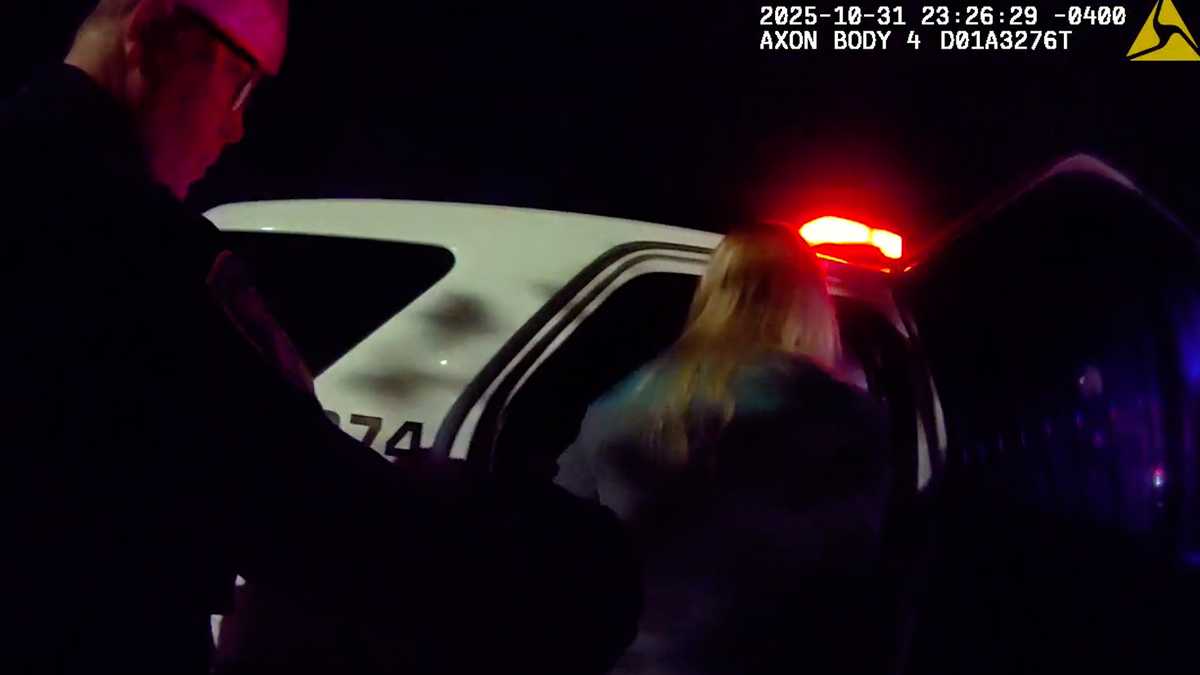
The Port St Lucie Police Department arrested 41-year-old Audrey Mahaney for contributing to the delinquency of a minor following a Halloween party. Officers responded to a home on SW Fieldstone Way after receiving multiple complaints of a large crowd of minors at a house party.
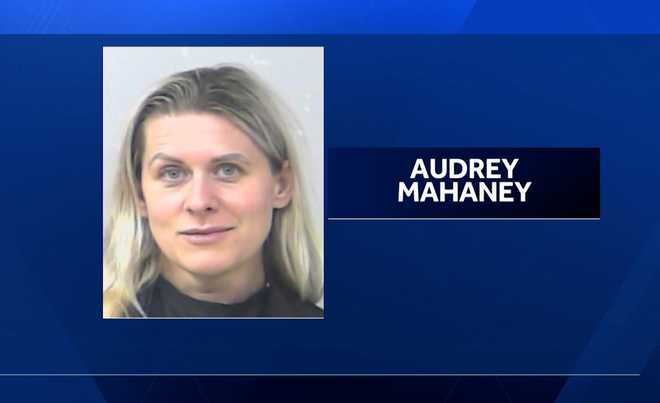
According to PSLPD, officers arrived and found that the Department of Children and Family Services [DCF] was also investigating after they received reports alleging that Mahaney is known to allow house parties and teens to consume alcohol. Officers found Mahaney, who was reportedly having her own gathering with adult friends.
The PSLPD said they found that it was obvious there was a lack of adult supervision, and Mahaney failed to monitor the teen’s activities or safety to prevent underage drinking.
Following the Halloween arrest, WPBF 25 News sat down with both law enforcement and an attorney to understand the ramifications of doing so.
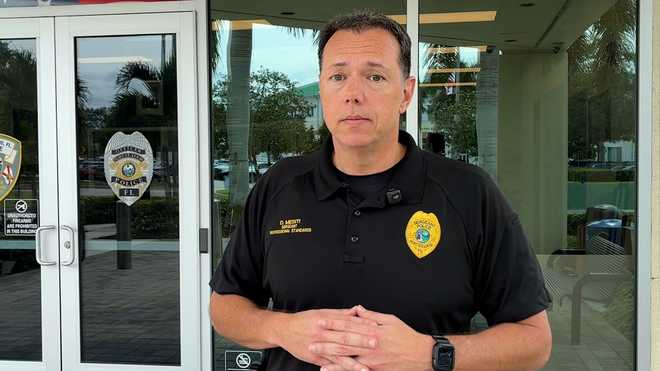
Master Sgt. Dominick Mesiti with the Port St Lucie Police Department said the adult could face criminal charges, such as a second-degree misdemeanor.
However, he said that the charge can become more serious if, for example, one of the minors gets into a car crash while under the influence.
“We did have that happen about three or four years ago in Port St. Lucie, where three teenagers lost their lives after being allowed to drink. A mother of one of the teenagers actually provided alcohol to the three teens, and all three teens died. She was eventually arrested for an upper charge of serving minors alcohol, and then that resulted in death. So she was charged with three counts of that,” he said.
Mesiti said it’s important for adults to fully understand that it’s illegal to allow underage drinking and to serve minors alcohol.
“The law is there for a specific reason. It’s to prevent tragedies like what happened three years ago. It tries to prevent these tragedies, but when people decide to break the law and they think they’re being the cool parent or a more responsible parent, thinking that they can control all the children and prevent them from driving, well, we’ve seen it happen where that’s not the case,” he told WPBF.
Mesiti said criminal charges aren’t the only consequence, as civil litigation is also possible.
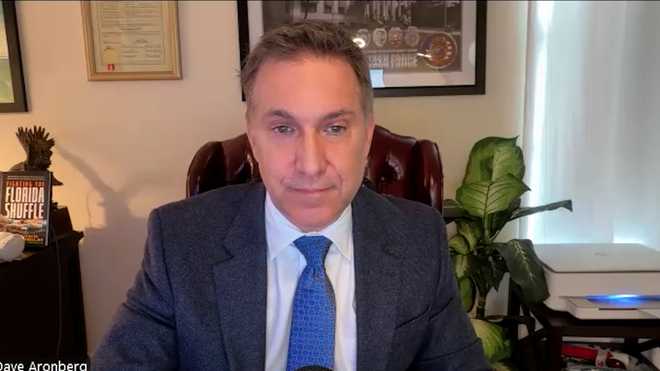
WPBF 25 News spoke with attorney Dave Aronberg, who explained how that works.
“When it comes to throwing a house party, giving alcohol to minors, it’s more likely that you could be sued. Under Florida law, there’s something called social host liability which anyone who willfully and unlawfully furnishes alcoholic beverages to a minor can be held liable for the injuries and the damages caused by that intoxicated minor. So that means the victim’s family can sue you personally for it,” Aronberg said.
He said in civil cases, proof of negligence isn’t needed. Instead, the plaintiff only has to prove that the defendant committed a crime.
“It’s much easier to get a recovery from a family that is providing alcohol to a minor than to convict them of a crime. You may get away with no jail time, but you could lose a lot of money and public embarrassment,” Aronberg said.
Similar to criminal cases, Aronberg said a civil case can be elevated if someone dies as a result of an adult allowing a minor to drink in their home.
“If someone dies, you can be sued for wrongful death and personal injury, and that could be all medical expenses, past and future, lost wages of the victims, property damage, pain and suffering, loss of companionship. This could be millions of dollars in damages,” he told WPBF.
Aronberg said another example where an adult could face legal ramifications is if they allowed a minor to drink alcohol at their home and the minor ended up dead from drinking.
“Those who defend the mother to say this is a safer place to drink, at least they’re doing it in someone’s home, have to realize that you’re making it so easy for people to get very intoxicated. When it’s an open bar in someone’s home, it’s much easier, much faster for people to get blackout drunk and then not only injure others, but they can also injure themselves. They may never wake up,” he said.
He said in that case, the adult could be held responsible.
“There are, unfortunately, too many situations where a young person goes to bed and never wakes up the next morning because of something terrible that happens in someone’s home. It could be alcohol, but a lot of times the alcohol is combined with drugs, and you’re responsible. You’re throwing the party; you think you’re being a good Samaritan. In reality, you could face jail time, and you could lose all your life savings in your home because there are extensive civil damages that are available to the victims,” he said.
He went on to explain that more often than not, insurance won’t help.
“Don’t assume that your homeowner’s insurance will cover it, because most policies have an intentional act or illegal act exclusion. Since providing alcohol to a minor is an intentional and illegal act, your insurance company will likely deny your claim, leaving you to have to pay for it out of pocket, your assets seized, a lien being put on you and your belongings. I mean, this is not a situation you want to be involved in,” Aronberg said.
As for the case involving the mother arrested on Halloween, Mesiti said she was charged with contributing to the delinquency of a minor, a misdemeanor.
“By allowing these kinds of things to happen, not only are you putting those minors in danger, but also everyone else on the road. God forbid, one of those minors decides to drive after partaking in the alcohol that’s being served,” he said.
Mesiti said the same goes for adults, considering drinking and driving.
“There’s no reason that we should see the DUIs that we do see. So that’s a message for the adults as well. You know, it’s so much less expensive to use a ride share than it is to bond out, pay the tow bill on your car, and hire a private attorney. It just goes on and on. You’re talking thousands and thousands and thousands of dollars for a DUI where it’s 20, 30, 40 bucks for a ride share,” he said. “God forbid you do take a life, you’re looking at a DUI manslaughter that you’re going to give years of your life to the state.”