
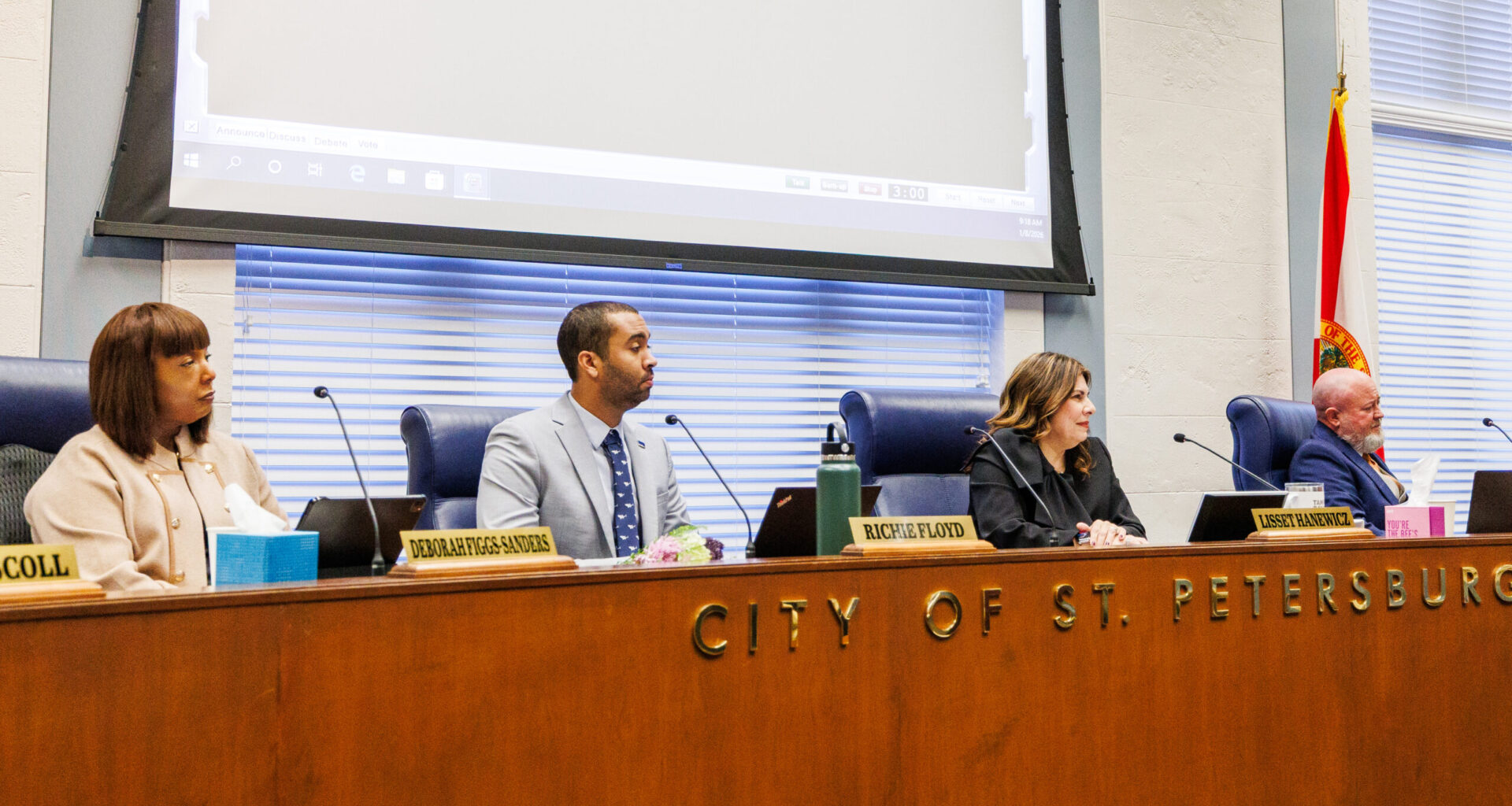
The St. Petersburg City Council has advanced a package of utility rate increases that would raise the typical household bill by about 7% beginning this Fall.
Council members approved each of the three ordinances 6-1 on first reading, sending the proposed rates to an Aug. 27 public hearing and final vote. Council Member Copley Gerdes was absent. Corey Givens Jr. opposed the sanitation and stormwater increases, while Richie Floyd cast the lone vote against the overall water, wastewater and reclaimed water ordinance.
The proposal would increase potable water rates by 7.5%, wastewater by 6.5%, reclaimed water by 9.75%, stormwater by 8.5% and sanitation by 6%. If approved, the increases take effect Oct. 1.
City officials say the increases are needed to absorb higher operating and construction costs while keeping existing utility projects on schedule. They have also stressed that the rates are separate from the $600 million general obligation bond referendum voters will consider in November, which would accelerate additional resilience and infrastructure projects.
Thursday’s proposal includes several changes beyond the rate increases. Last year, city officials expected stormwater rates to rise 15% in Fiscal Year 2027. The new plan cuts that increase to 8.5% by borrowing more of the money needed for stormwater projects instead of collecting as much from customers upfront.

The city has generally aimed to pay for those projects with an even mix of cash and borrowed money, but starting next year it would cover 30% with cash and 70% through debt. It would then gradually shift back to an even split by Fiscal Year 2031.
Staff said the change is intended to ease near-term pressure on customer bills while still advancing drainage and resilience work already included in the city’s capital plan.
The city plans to spend about $215.5 million on stormwater projects over the next five years. Even with the shift toward more borrowing, stormwater rates are still projected to rise 8.5% each year through Fiscal Year 2031.
Water and wastewater needs are much larger. The city expects to spend about $705.5 million over five years repairing and replacing water lines, sewer systems, lift stations and equipment at its three water reclamation facilities.
Reclaimed water customers would see the largest increase next year, at 9.75%. Part of that money would help replace aging pipes at the Northwest Reclamation Facility that date to the 1970s and 1980s. That project alone is expected to cost about $23 million.

Developers would also pay more under the proposal. The city charges a sewer capacity fee to help cover the added pressure new development places on the wastewater system.
The ordinance initially called for increasing that fee from $1,000 to $1,350 next year before reaching $1,700 in Fiscal Year 2028. However, at Floyd’s suggestion, Council members instead unanimously directed staff to bring the ordinance back for the Aug. 27 hearing with the fee increased directly to $1,700 to cover the full cost of providing that additional capacity.
“We should not subsidize development. We shouldn’t. And that’s what’s happening — the rest of our utility bills are going to subsidize development if we don’t just get the full cost recovery every year,” Floyd said. “Every year we should just move it to the full cost recovery, because we shouldn’t be subsidizing new development like that with our water bills.”
Another change would eliminate permit fees for the city’s fats, oils and grease program. Staff concluded the fees generate little revenue compared with the administrative work required to collect them, and recommended shifting those resources toward compliance and enrolling new participants.
Some Council members raised affordability concerns when they reviewed the proposal last week, particularly over the cumulative effect of repeated increases on residents. Others countered that holding rates flat would require cuts to existing utility operations or delays to projects already included in the capital plan.
The proposed rates will return to the City Council for a public hearing and final adoption Aug. 27.