
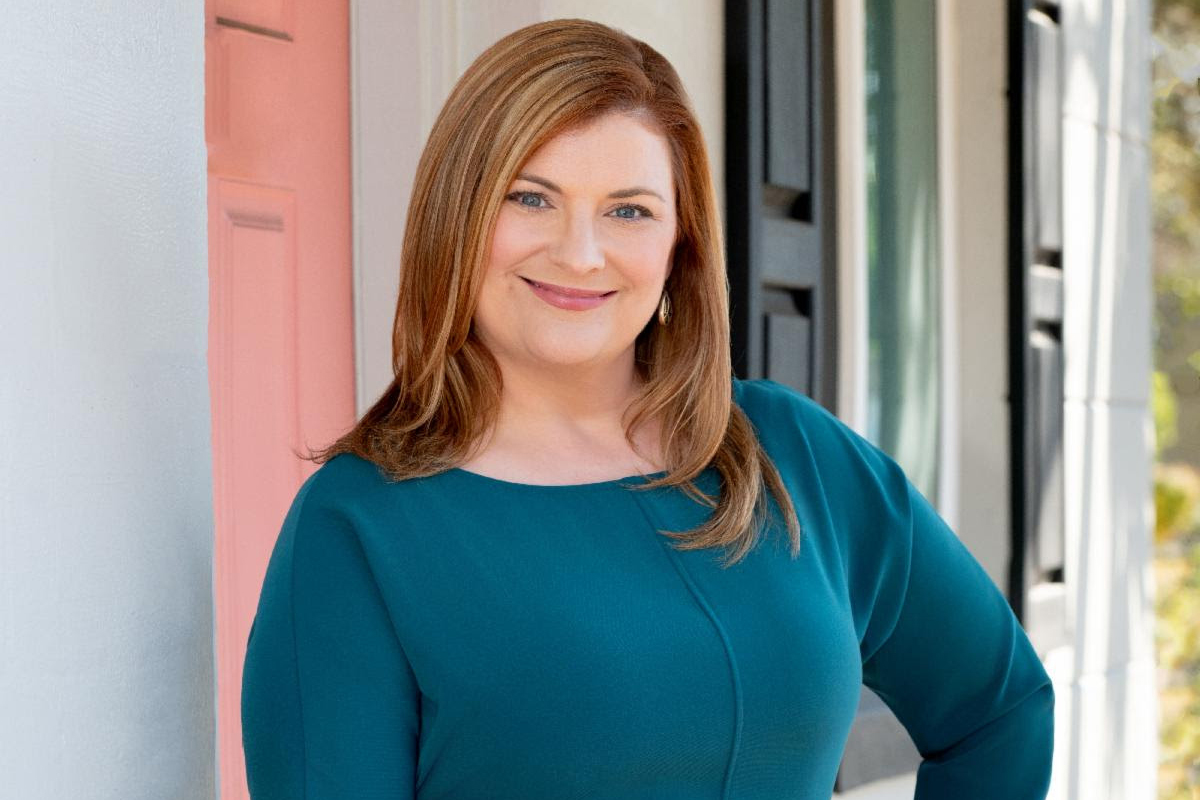
St. Petersburg City Council member Brandi Gabbard, who is running for Mayor, took to social media Wednesday, ahead of a vote Thursday to raise utility rates citywide, to explain the rationale for the proposal. She posted the more-than-five-minute-long video to her campaign Facebook page, where it might not have gotten the reception she hoped for.
By Thursday evening, several people had shared the video, but only one had left a comment.
Kevin Batdorf, one of Gabbard’s opponents in the Mayor’s race, was one of the people who shared it. Bluntly, he called it “arrogant nonsense.”
“Over 9 years on City Council, she has done NOTHING but increase fees,” Batdorf wrote, adding his own plan to fund infrastructure upgrades without raising fees or taxes.
The proposal at issue would increase potable water rates by 7.5%, wastewater rates by 6.5%, reclaimed water rates by 9.75%, stormwater rates by 8.5%, and sanitation rates by 6%. If approved, the increases take effect Oct. 1. City Council gave its preliminary approval Thursday, with another vote expected later this month. Gabbard was among those voting in favor.

In her video, Gabbard explains that the idea of raising utility rates doesn’t happen overnight; it originates in the Mayor’s office, with the administration bringing forward several recommendations to consider. From there, the issue is contemplated at a series of City Council workshops before a first vote is taken from the dais.
But that’s where Gabbard said the thing some of her opponents are capitalizing on.
“It’s important to be clear: this proposal does not add any new staff positions or even expand our current capital improvements budget. It simply allows the city to keep pace with inflation and operating costs while we prepare to put forward to you, the voters, a referendum this November to fund acceleration for the hundreds of millions of dollars in infrastructure improvements that we must make over the next several years,” Gabbard said.
The current inflation rate is 3.4%, less than half of some of the proposed increases.
Former Gov. Charlie Crist, who is leading the Mayor’s race in fundraising and polling, took to Facebook himself on Thursday morning lamenting that the utility fee proposal “does not add a single new worker or single new project. It keeps things running. You pay more. You get the same.”

And the political committee supporting his bid for Mayor, St. Pete Shines, sent a text message blast to voters with Gabbard’s video, asking voters to “Join Charlie Crist — stop politicians from raising your utility bills.”
“Ask Brandi Gabbard why she wants to raise rates when local families can’t afford to make ends meet,” the text read, adding a quote from Crist.
“I know it takes money to run a city, but at a time when families are struggling to keep gas in the tank, our city should be better stewards of their money.”
Former St. Pete Fire Chief Jim Large, who is also running for Mayor, didn’t address the proposed utility rate hike vote directly, but he did post a lengthy statement about city spending in general, including the utility proposal.
“What should precede all of this is a deep budget review. It is a FACT that city government has grown. The question is, has the value to taxpayers grown with it?” Large asked, adding that growth has far outpaced inflation since 2018.
“That doesn’t mean every new position is unnecessary. It doesn’t mean we should cut police officers, firefighters, engineers, stormwater workers or the people delivering essential services. It means we should ask a simple question: Are taxpayers getting their money’s worth?”
City officials say the increases are needed to absorb higher operating and construction costs while keeping existing utility projects on schedule. They have also stressed that the rates are separate from the $600 million general obligation bond referendum voters will consider in November, which would accelerate additional resilience and infrastructure projects. It’s the referendum Gabbard mentioned in her video.
Unlike revenue bonds, which are typically repaid through utility fees or other dedicated revenue, general obligation bonds are repaid through property taxes. If approved, the bonds would carry a maturity of no more than 30 years.
The utility rate issues, under discussion less than one week before the Primary Election, are emerging as a possible wedge issue, and they’re raising further questions about affordability and local government’s role in improving it. As the election draws near, it’s likely candidates who have made government growth part of their platform — Large and Batdorf, as conservatives in the race — and Crist, who has run on cutting property taxes and reducing fees, will capitalize on the issue.
It’s also worth noting who doesn’t appear to have addressed the issue yet — incumbent Mayor Ken Welch. As Mayor, he’s just as tied to the utility rate proposal as Gabbard.
___
Florida Politics reporter Jesse Mendoza contributed to this report.
___
Ed. Note: Michelle Todd Schorsch is the Chair of St. Pete Shines, a political committee backing Crist for St. Petersburg Mayor. Todd Schorsch is married to Peter Schorsch, the publisher of Florida Politics.