
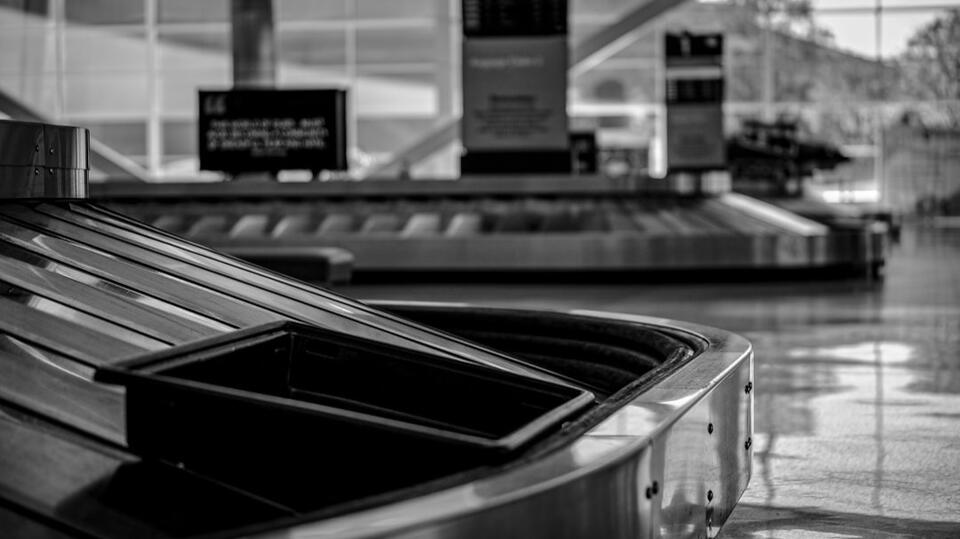
With controllers working without pay, the FAA mandates a 10% capacity reduction at Miami, Orlando, Tampa, and Fort Lauderdale starting Friday, as industry insiders say safety is at an all-time low.
By Senior Staff Writer, Edmond Thorne for OmniCom MultiMedia
Florida News Network: Fort Lauderdale—Florida travelers are about to feel even more of the pain of Washington’s political deadlock in a very real way. Starting Friday morning, four of the state’s busiest airports will see a 10% cut in flight capacity as federal aviation officials take an extraordinary step to prevent air traffic system failures. The Federal Aviation Administration announced Wednesday afternoon that Miami International, Fort Lauderdale-Hollywood International, Orlando International, and Tampa International airports are among 40 major hubs nationwide that will face mandatory flight reductions.
The move represents something FAA Administrator Bryan Bedford says he has never witnessed in his 35-year career. Speaking at a press conference alongside Transportation Secretary Sean Duffy, Bedford made clear this isn’t about convenience or politics—it’s about safety. The National Airspace System Status is already showing signs of strain from the shutdown. Air traffic controllers, who have been working without paychecks for more than 5 weeks during the longest government shutdown in U.S. history, are showing signs of serious fatigue. The system, already short more than 3,000 certified controllers before the shutdown began, is now buckling under the pressure.
How the Cuts Will Roll Out:
The flight reductions won’t hit all at once. According to sources familiar with discussions between the FAA and airlines, the cuts will start at 4% on Friday and gradually increase over the weekend, reaching the full 10% reduction by next week. This phased approach means travelers could see the situation worsen day by day if the government shutdown continues.
The restrictions will apply to flights scheduled between 6 a.m. and 10 p.m., which covers the bulk of commercial air travel during peak travel hours. International flights are exempt from the reductions, but domestic and regional routes will bear the full impact. For Florida’s tourism-dependent economy and the millions of residents who rely on air travel, this creates a significant disruption at a time when many families are planning holiday trips.
What This Means for Travelers:
If you have a flight booked out of Miami, Fort Lauderdale, Orlando, or Tampa in the coming days or weeks, you should prepare for possible changes. Airlines are already scrambling to adjust schedules, and passengers are being advised to check their flight status frequently. The reductions could affect anywhere from 3,500 to 4,000 flights per day across all 40 impacted airports nationwide.
Major carriers have responded by offering unprecedented flexibility. Delta, American, United, and Southwest have all announced they will waive change fees and offer refunds, even for basic economy tickets that normally come with strict restrictions. United Airlines CEO Scott Kirby told employees that regional flights and domestic routes not connecting major hubs would see the biggest cuts, while long-haul international service would continue as planned.
Travel experts are urging passengers to download airline apps and enable notifications for real-time updates. The situation remains chaotic, and changes could happen with little warning. Some industry insiders are recommending travelers consider booking backup flights on different carriers if their travel is time-sensitive, though that advice comes with its own costs and complications.
The Human Toll on Controllers:
Behind the schedule changes and cancellations are real people facing real hardships. Air traffic controllers are considered essential employees, meaning they must report to work even during a government shutdown. But essential doesn’t mean paid. For more than a month, these highly skilled professionals have been managing one of the world’s busiest airspaces without receiving their paychecks.
The pressure was already building before the shutdown began. Multiple controllers spoke with reporters on condition of anonymity, fearing retaliation from the FAA, and described a system already stretched thin by chronic understaffing, mandatory overtime, and stagnating wages. Now, with mortgage payments due and bills piling up, some controllers have taken second jobs. Others are calling in sick at rates far higher than normal. More than 400 staffing shortages have been reported at FAA facilities since the shutdown began—more than four times the number seen during the same period last year.
Economic Turbulence:
The flight reductions will send shockwaves through Florida’s economy beyond just inconvenienced travelers. Airlines are expected to begin layoffs and operational adjustments as they adapt to the forced reduction in capacity. Florida’s tourism industry, which depends heavily on reliable air access, could see a drop in visitors if people decide to delay or cancel trips rather than deal with uncertain flight schedules.
Airport concessions, rental car companies, hotels, theme parks, and countless other businesses that depend on steady visitor traffic are watching nervously. The state’s convention and business travel sectors are especially vulnerable, as companies may choose to postpone meetings or conferences until air travel returns to normal. Many in the airline industry say a total collapse is inevitable.
Florida Forward:
The next few days will test Florida’s air travel infrastructure and the patience of millions of travelers. While officials insist the reductions are necessary to maintain safety, the real solution lies in Washington, where lawmakers remain deadlocked over funding. For now, Florida residents and visitors should plan for long delays, stay flexible, and keep close tabs on their travel plans. The airlines are stepping up with customer-friendly policies, but the uncertainty won’t end until air traffic controllers start receiving paychecks again and staffing levels can return to today’s “new” normal. Whether that happens in days, weeks, or longer remains anyone’s guess—but Florida’s airports and the people who depend on them are hoping for a swift resolution.
We want to hear your thoughts! Please comment, like, share, and follow if you enjoyed this content. We encourage you to research topics to form your own opinions. For inquiries, contact Edmond at: EdmondThorne@proton.me.
Additional in-depth articles can be found at:
https://medium.com/@edmondthorne
https://substack.com/@omnicom
Copyright & Fair Use: Contact OmniComMultiMedia@gmail.com
*This article was reviewed and edited using Grammarly to enhance clarity, grammar, and accuracy. No other A.I. tools were used for content creation or fact-checking. Our editorial team verifies all reporting across platforms for fairness and accuracy. A.I. may have been utilized to create article thumbnails or graphs. Florida News Network, a division of Omnicom MultiMedia Company, holds all rights reserved. Contact: info@OmniComMultiMedia.com.