
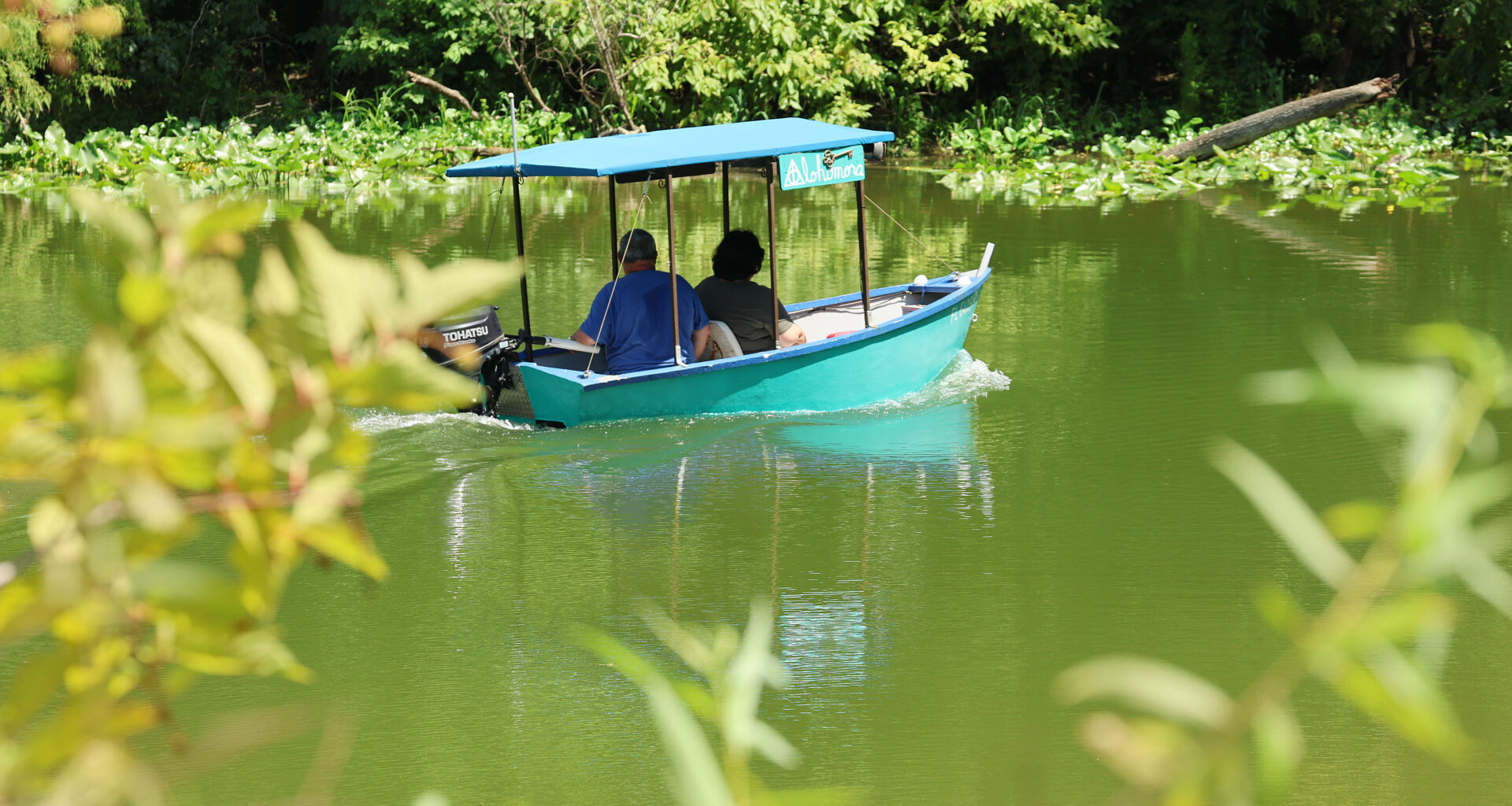
A woman swimming in a Central Florida river last weekend lost her arm to an alligator bite, the fourth local attack by one of the large reptiles this summer.
Blame unusually dry conditions and summer heat that makes people eager to be on, and sometimes in, the lakes, rivers and springs where alligators live, experts say. That’s made alligator attacks, while still very rare, more likely.
Dina Spann, 58, was swimming in Silver River in Marion County on Aug. 8 when she was bitten on the arm by a nearly 10-foot alligator, according to the Florida Fish and Wildlife Conservation Commission. Nearby boaters rushed to help her, tying a makeshift tourniquet around her wounds before bringing her to shore.
“She is currently in the hospital recovering and, thankfully, she is okay,” Spann’s family members wrote Tuesday on Facebook. “She did lose her arm as a result of the attack, but she is stable and being well cared for. Right now, she is asking for privacy and rest.”
Alligator aggression during mating season and low water levels this year could be contributing to more frequent human-gator interactions, said Bobby Fokidis, a biology professor at Rollins College.
“The weather might be driving them particularly to seek out new areas where people somewhat feel comfortable to swim,” he said, adding that swimming in such places is rarely a good idea.
High temperatures and below average rainfall have led to drought conditions in some parts of Central Florida, according to the National Integrated Drought Information System. It’s depleted swamps, rivers and springs, which pushes more alligators into cramped spaces and makes water murkier, helping them blend in, Fokidis said.
He urged people to stay in marked swimming areas where recreation is allowed and the water is clear.
“I think the important thing is we don’t blame alligators for this,” he said. “Alligators are usually responding to changes in their environment, and if a large primate walks into the water and starts swimming around, it’s going to respond to that, right?”
During the most recent attack, John Gamache, who was on a nearby boat, told FOX35 he saw the alligator dart straight toward swimmers on Silver River. He sped over, a commotion that helped scare the reptile away, and then used a rope to tie off Spann’s injury while she hung on to a paddleboard, he said.
“It was a terrible injury, bones poking out, blood everywhere. Obviously, the minutes mattered,” Gamache told the station.
A professional trapper found and removed the suspected reptile the next day, FWC said, but the agency declined to specify whether it was relocated or euthanized, only saying it was “dispatched on site.”
Officials at Silver Springs State Park, which encompasses Silver River, didn’t respond to requests for comment. The park doesn’t permit swimming, but says on its website that kayaking, canoeing and boating are “alternatives guests can enjoy in order to experience our beautiful waters first hand.”
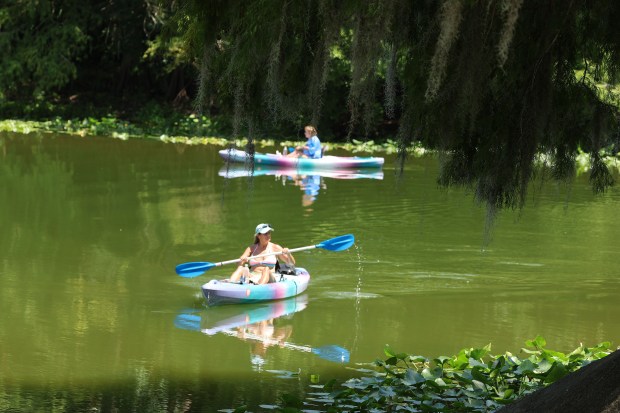 Kayakers enjoy the waters of the Silver River at Ray Wayside Park in Silver Springs on Tuesday afternoon, August 11, 2026. (Stephen M. Dowell/Orlando Sentinel)
Within the span of a week in June, three separate alligator attacks injured two people and killed an Orlando woman.
A 19-year-old snorkeler in Rainbow River near Dunnellon was bitten on the head and neck, though he was released from the hospital soon after.
Then, an 11-year-old boy was attacked while fishing from the shore at Nelson Fish Camp in Marion. As he released his catch into the water, a nearly 9-foot alligator clamped down on his lower arm. The boy’s father tackled the reptile and tried to pry its jaws open, but it began to roll, breaking the boy’s arm, before he was freed, the boy’s uncle said. The boy, on vacation from Pennsylvania, had two surgeries and his hand was amputated.
The next day, 31-year-old Brittany Clark lost her life after an attack in the Econlockhatchee River in Seminole County. Clark was hiking with her boyfriend and a friend in the Little Big Econ State Forest when they decided to cool off in the river, which was only about 3 feet deep — unusually shallow, officials said.
A large alligator snapped at Clark’s arms, biting off one and almost completely severing the other. A harrowing 911 call revealed her friend’s desperate pleas for help before rescuers arrived. Clark died from her injuries on route to the hospital.
The bite marks on her body matched a row of teeth from a 12-foot-long alligator apprehended by officials.
The four recent cases have sparked questions about whether the attacks’ rapid succession and severity marks a rising trend. But Frank Mazzotti, a wildlife ecology professor at the University of Florida, argued the timing isn’t out of the ordinary.
“Alligator attacks are rare,” he said. “They’re spaced out randomly. Sometimes they’ll happen in clumps. Sometimes it’ll go months and months and months without any attacks.”
Last year, there were 13 alligator attacks in the state, and two proved fatal, according to FWC.
If people more strictly followed regulations, attacks would significantly decrease, he added, as most are caused by territorial responses or pure surprise.
If you are attacked, Mazzotti recommends fighting back by jabbing the reptiles’ eyes or sticking a hand down its throat and also taking any opportunity to flee.
The heat can cause alligators to be hungrier, and the current drought could potentially limit the food supply, but mostly the incidents can be attributed to people engaging in “unnecessary, risky behaviors,” Mazzotti said.
“If the sign says don’t swim, don’t swim,” he said. “If somebody warns you not to swim because alligators are present, don’t swim.”