
A local government may intervene through eminent domain when a privately proposed waterfront development would eliminate land or facilities the government determines are necessary for a continuing public use. Florida municipalities possess statutory authority to condemn property for recognized municipal purposes, including public parks. A Florida Attorney General opinion specifically concluded that the City of Maitland could exercise eminent domain to acquire land for a public park under its governing authority. For a waterfront parcel threatened by intensive private development, the strongest municipal record would state that the property is reasonably necessary for an identified public project such as:
• Permanent waterfront green space;
• Public shoreline access;
• A municipal park;
• Preservation of archaeological, historic, or cultural resources;
• Storm-surge and flood-resilience infrastructure;
• Conservation of environmentally sensitive habitat; or
• A public waterfront trail and recreational corridor.
Precedence has already been set:
1. Miami Circle — Miami-Dade County
“This specific property is required for a legitimate public preservation purpose.”
Stopping the private development was the practical result, but preservation was the legally stated public purpose.
2. Fisher Island marine terminal — Miami-Dade County, 2026
The stated public purpose was preserving fuel infrastructure serving PortMiami. Nevertheless, it demonstrated the same operative principle:
“A local government may intervene through eminent domain when a privately proposed waterfront development would eliminate land or facilities the government determines are necessary for a continuing public use.”
3. West Palm Beach waterfront-park proposal
West Palm Beach recently considered a downtown waterfront-park expansion involving privately occupied or privately controlled property. Public concern arose that eminent domain could be used, although the mayor publicly denied that the city was threatening condemnation and later paused the proposal for further community discussion. “This therefore is not a completed Florida precedent, but it shows that eminent domain remains part of the public discussion when cities seek to assemble private waterfront property for park expansion.”
Folks, can you imagine a 42-acre public park with new boat ramps, palm trees, white sand, day use covered pavilions, swimming area, kiddie pools, calypso music, grills, volleyball, corn hole, food trucks, boat slips, fishing docks, ice houses, etc?
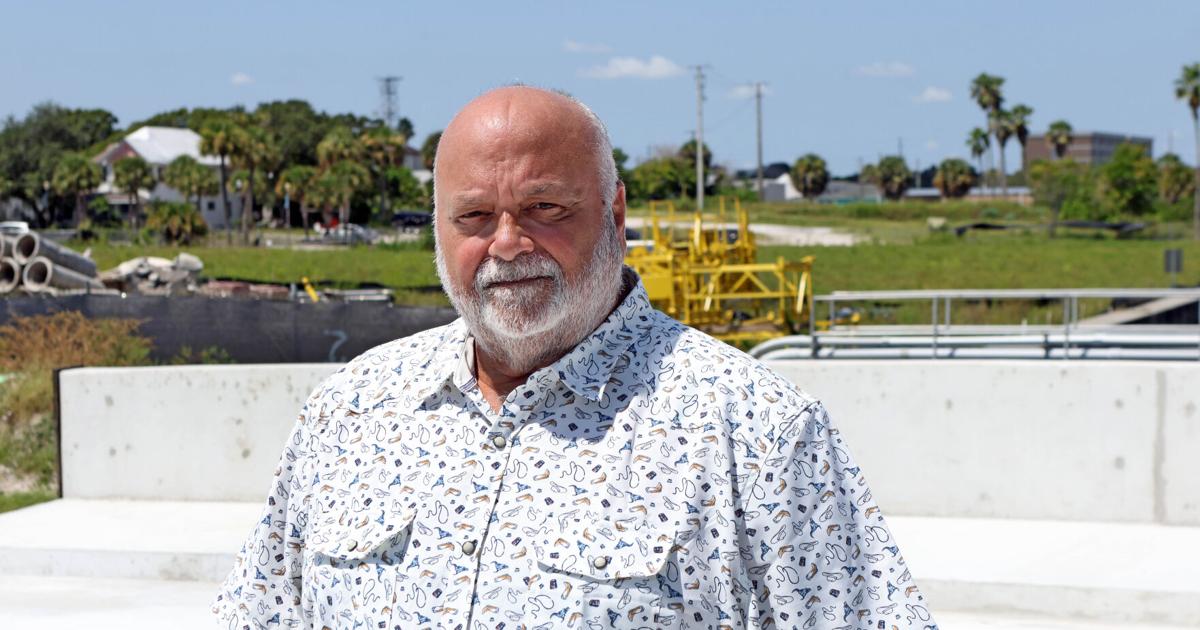
Kevin S. Keene is a fifth-generation Floridian and longtime Fort Pierce resident with more than 45 years of experience in contract management, project execution, and public accountability. He is the founder of FortPierceWatch.org, a community-based initiative dedicated to government transparency, responsible growth, and informed civic engagement. Through research, public records, and citizen involvement, he advocates for preserving Fort Pierce’s historic waterfront and ensuring that public decisions reflect the interests of the community. Readers may contact Kevin at peopleoverdevelopers@gmail.com or visit www.FortPierceWatch.org.