
WEST PALM BEACH, Fla. (CBS12) — Recent animal hoarding cases on the Treasure Coast have renewed concerns about animal cruelty, but advocates say some of the most troubling cases extend far beyond a single home or neighborhood.
Now, Florida prosecutors and sheriffs are backing three federal bills they say would strengthen investigations into organized animal cruelty, animal fighting and trafficking operations that can cross county and state lines.
The push comes as local agencies continue responding to high-profile animal cruelty cases, including a recent Palm City investigation in which 36 border collies were rescued from what authorities described as deplorable conditions.
While animal hoarding cases often garner public attention, Wayne Pacelle, president of Animal Wellness Action, said they represent only one part of a broader problem.
“Animal cruelty is bound up with other criminal conduct and other forms of social violence. Wherever you see animal cruelty, you can bet that there’s some other form of criminality occurring.”
Recent Florida cases highlight broader concerns
Pacelle says Florida has seen several recent examples of animal cruelty investigations that involved more than simple neglect.
In February 2025, a Florida man was sentenced to more than seven years in federal prison after investigators found he had bred and trained dogs for fighting, staged dog fights and possessed firearms and dog-fighting equipment. Federal authorities said the operation involved activity in multiple states.
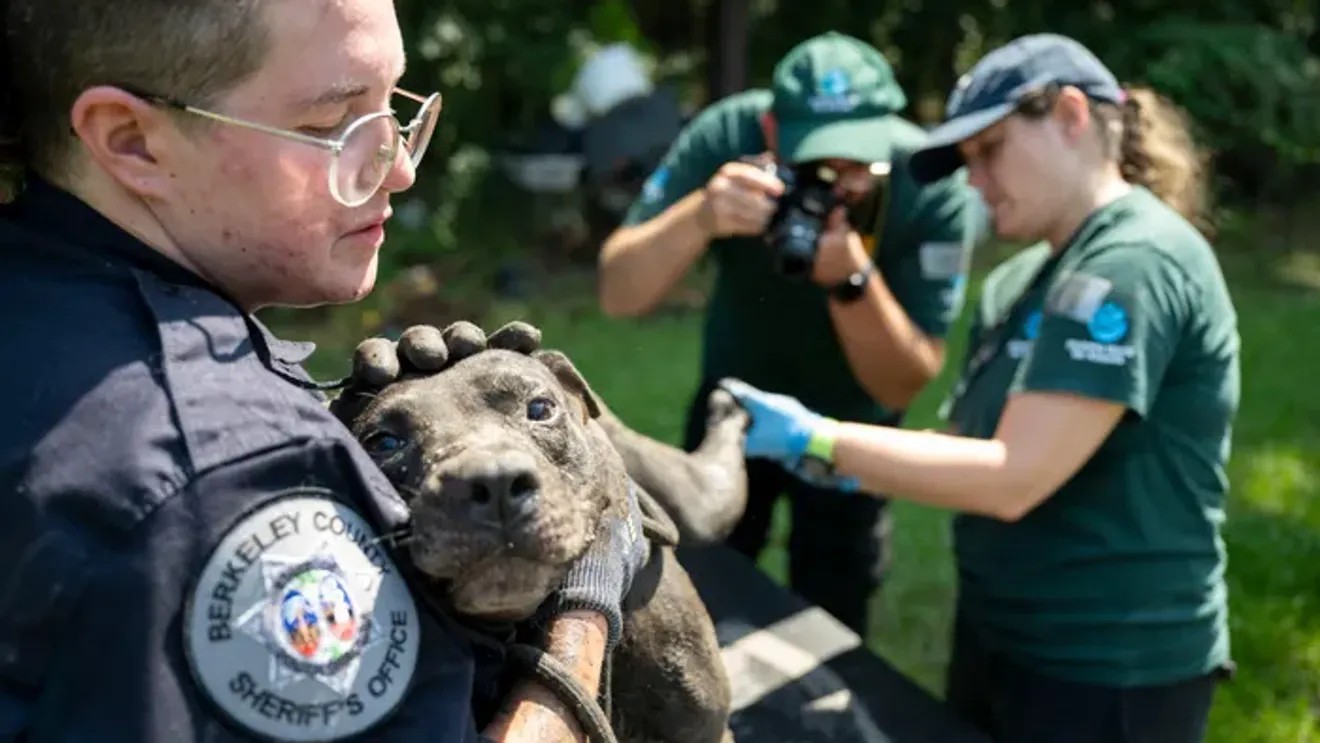
Just months earlier, more than 80 dogs and puppies were rescued from a suspected dog-fighting operation in North Florida by law enforcement and animal welfare groups. Many of the animals were found chained, scarred, and living in poor conditions. Some were later cared for by a Jupiter-based rescue organization.
Supporters of the federal legislation say cases like these demonstrate why local agencies often need assistance from state and federal partners.
Three bills gaining support
The legislation being backed by Florida law enforcement organizations includes:
The Animal Cruelty Enforcement (ACE) Act, which would create a dedicated Animal Cruelty Crimes Section within the U.S. Department of Justice to investigate and prosecute serious federal animal cruelty offenses.
The FIGHT Act, which would strengthen federal animal-fighting laws by targeting online gambling related to animal fighting, authorizing civil forfeiture of property used in fighting operations and restricting the shipment of mature fighting birds through the mail.
The No Flight, No Fight Act, which would restrict the commercial air transportation of adult roosters, a measure supporters say would disrupt the movement of fighting birds domestically and internationally.
The Florida Prosecuting Attorneys Association has endorsed all three measures, while the Florida Sheriffs’ Association has endorsed the FIGHT Act. Both organizations have emphasized the need for stronger federal partnerships when investigations extend beyond local jurisdictions.
Pacelle said local and federal authorities often need to work together when confronting organized animal cruelty networks.
“Oftentimes local and federal law enforcement need to collaborate to interdict these crimes,” he said.
Debate over Florida’s animal abuser registry
Florida recently created an animal abuser registry aimed at tracking convicted animal cruelty offenders.
However, supporters of the federal legislation argue that registries alone are not enough to prevent future crimes.
Pacelle questioned whether public registries are an effective deterrent for repeat offenders, particularly when many move between communities.
“A registry and shaming people who are shameless is probably not going to work,” he said.
The ASPCA also doesn’t support these registries. On their website, the organization says, “Although we appreciate that animal abuser registry proposals derive from a genuine motivation to take animal cruelty seriously, the ASPCA believes that this approach does little to protect animals or people and can have unintended consequences.”
Instead, supporters say the focus should be on providing investigators and prosecutors with the resources needed to pursue organized cruelty cases that may involve trafficking, illegal gambling and activity crossing county or state lines.
Focus on partnerships
Advocates say the legislation is not intended to replace local investigations but rather to strengthen partnerships between local, state and federal authorities.
Supporters argue that animal fighting operations are frequently connected to broader criminal activity and can place significant demands on local law enforcement agencies. The proposed federal measures, they say, would provide additional tools and resources to help dismantle those networks.
As the bills continue moving through Congress, supporters are urging Florida’s congressional delegation to back the measures, arguing that recent hoarding, dog-fighting and trafficking cases demonstrate the need for a coordinated response to animal cruelty.