
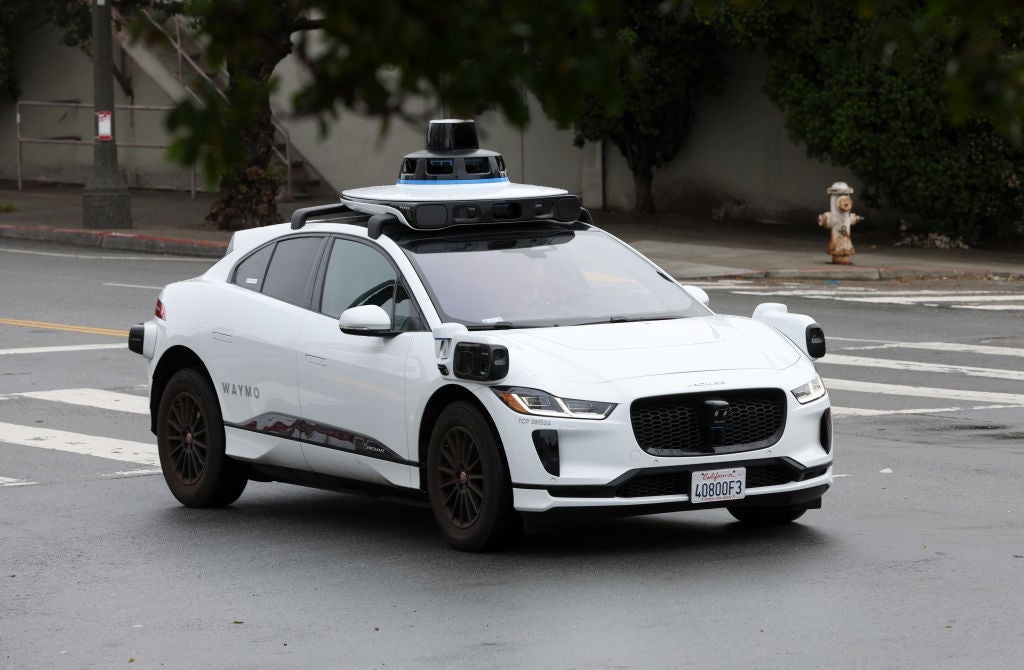
Waymo plans to bring driverless cars to Tampa. Talks have begun with Pinellas County leaders about spreading the service there too.
The company, owned by Alphabet, Inc., sat down with St. Petersburg officials on Aug. 11. It was their first chat.
“Waymo reached out earlier this week and scheduled a meeting with our Transportation department for Aug. 11,” said City of St. Petersburg spokesperson Samantha Bequer in an email to St. Pete Catalyst. “That meeting was the first conversation the City has had with Waymo representatives.”
Bequer said the company wants to grow into the county and set up an introductory session. A spokesperson for the self-driving car provider wrote in an email that they have nothing new to announce about adding service areas.
“We can’t wait to serve riders in Tampa, and are working towards launching our service in the city soon,” wrote the spokesperson, who wished not to be identified. “While we have no updates to provide on expanding our service area, we look forward to servicing more of the Tampa Bay area over time.”
Right now, no concrete plans exist to serve the county, but meetings with local leaders help keep everyone in the loop and on the same page. St. Petersburg staff spoke with Tampa officials about the provider before Tuesday’s session.
Google started building self-driving tech in 2009. The Google Self-Driving Car Project finished its first ride without a human driver on a public street in 2015. Three years later, it split off as its own tech company in 2016.
Phoenix got the first commercial driverless taxi service in 2018. Everyone could use it by 2020. San Francisco saw the service arrive in 2022, with Los Angeles following in 2023.
Testing started in Tampa during December 2025. Tesla brought its Robotaxi service to parts of the city just last month. These cars rely on cameras, radars, and sound sensors to get around.
Orlando, Miami, Dallas, Houston, and Nashville already have the service running. Plans call for launches in 20 cities worldwide. Anyone in San Francisco and Los Angeles could grab the mobile app and request a ride by 2024.