
TALLAHASSEE, Fla. — Today, Florida Commissioner of Agriculture Wilton Simpson announced the permanent protection of over 1,500 acres of working Florida agricultural land across four Florida farms through the Florida Department of Agriculture and Consumer Services’ Rural and Family Lands Protection Program. Rural lands protection easements prevent future development and allow agricultural operations to continue contributing to Florida’s economy and the production of food, timber, and other resources vital to Florida’s prosperity.
“Florida’s farmers and ranchers are our most important conservation partners, and the Rural and Family Lands Protection Program partners with them to protect their land from development while keeping it working and feeding our communities,” said Commissioner Wilton Simpson. “Florida is a national leader in using conservation easements, the most cost-effective conservation tool we have, to protect as much of our agricultural lands, wildlife habitat, and natural resources from development – before it’s too late.”
Since its inception, the department’s Rural and Family Lands Protection Program has permanently preserved more than 246,000 acres of working agricultural land, including more than 180,000 acres preserved during Commissioner Simpson’s administration.
The four properties are enrolled in FDACS Best Management Practices and are located within the Florida Wildlife Corridor, which was established by state law in 2021 through the Florida Wildlife Corridor Act, a priority of then-Senate President Wilton Simpson.
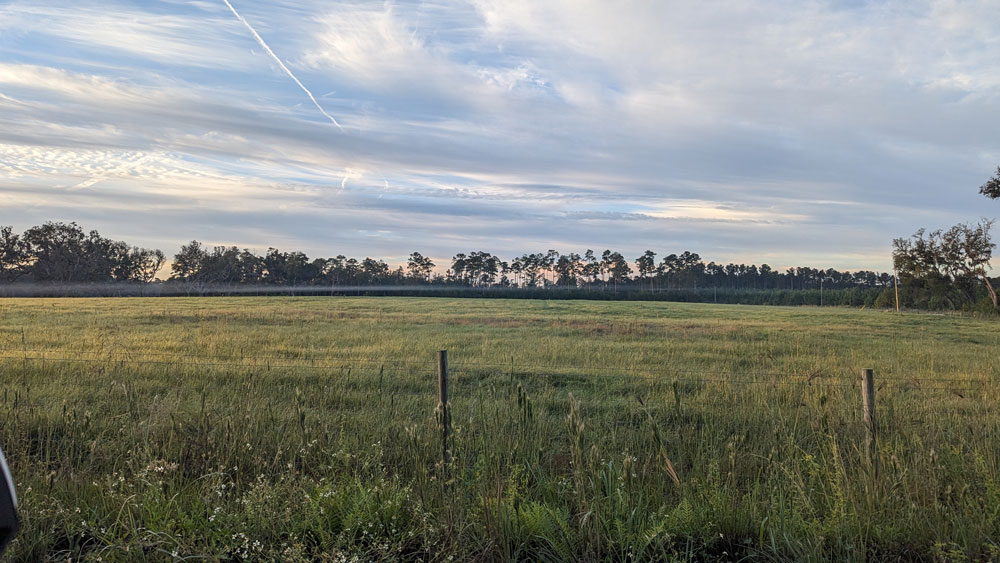
Bishop Family Farms, Jefferson County, Florida
Bishop Family Farms
Bishop Family Farms, an approximately 228-acre diversified farm in Jefferson County, has been permanently preserved from development through a rural lands protection easement totaling $1,347,700, with $655,500 being provided through the USDA’s Natural Resources Conservation Service-Regional Conservation Partnership Program. Bishop Family Farm property consists of a mosaic of cropland, pasture, and planted timber with a lesser extent of non-forested wetlands, forested wetlands, and natural forested uplands. Surrounding lands are undeveloped and comprised of similar land cover, with several nearby properties protected by conservation easements. The property abuts the Aucilla/Wacissa Watershed and Wolf Creek, a tributary of the Aucilla River, runs adjacent to the property’s southern boundary.
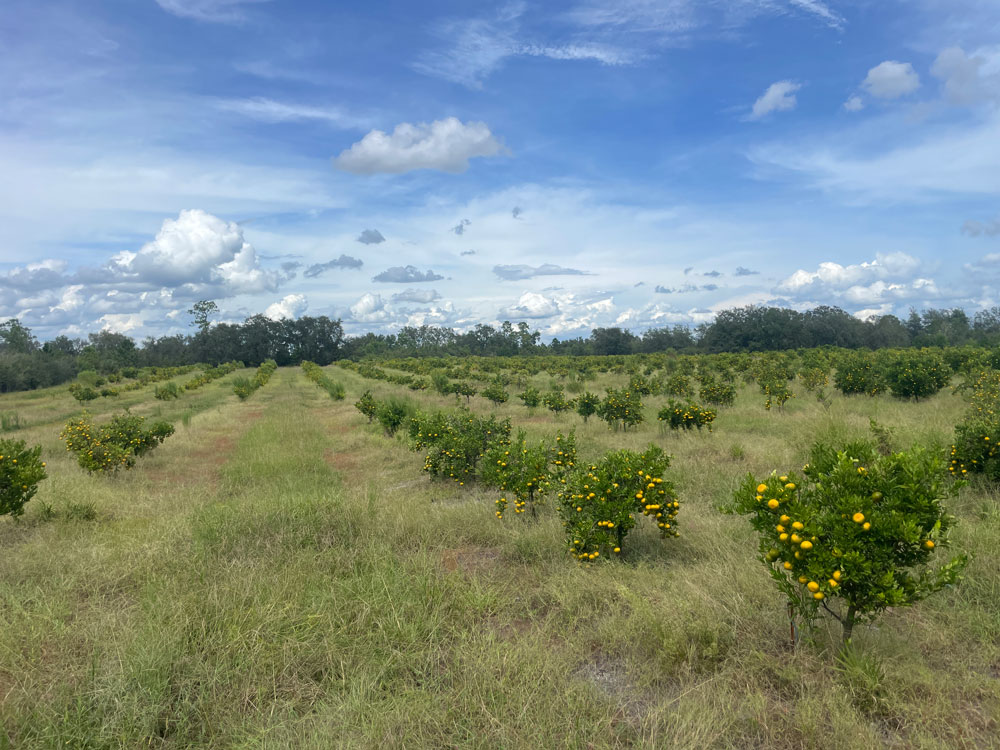
Meetinghouse Groves, Putnam County, Florida
Meetinghouse Groves
Meetinghouse Groves, an approximately 816-acre citrus operation in Putnam County, has been permanently preserved from development through a rural lands protection easement totaling $2,665,000, with $1,306,000 being provided through the USDA’s Natural Resources Conservation Service-Regional Conservation Partnership Program. Sitting between Lake Margaret and Silver Lake, this property has forested and non-forested wetlands, as well as upland areas used for agricultural production. Portions of three sandhill upland lakes are within the property boundaries, and Lake George Conservation Area lies a quarter mile to the south.
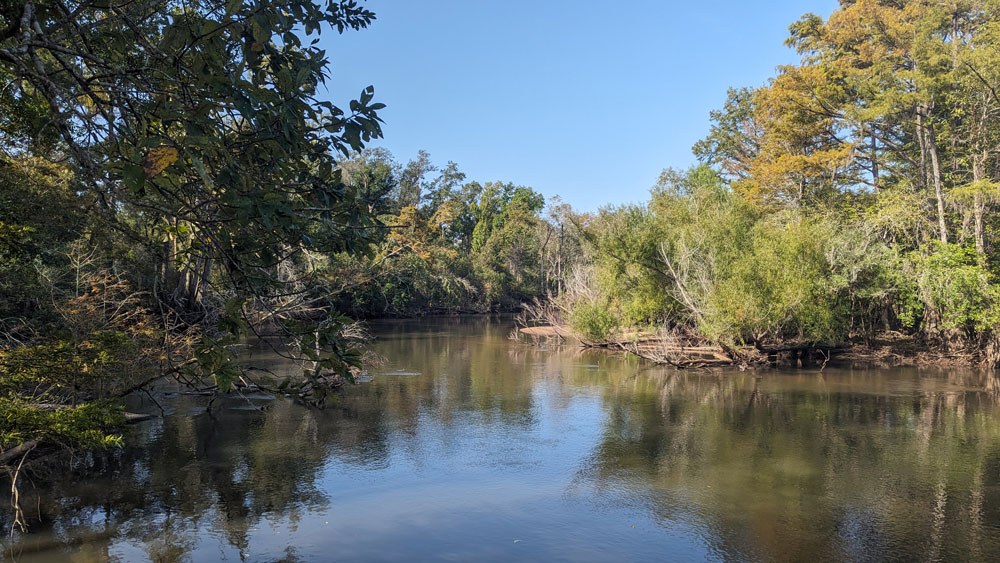
Warren Timberlands property, Calhoun County, Florida
Warren Timberlands
Warren Timberlands, a 136-acre timber operation along the Chipola River in Calhoun County, has been permanently preserved from development through a rural lands protection easement totaling $381,000. This property is primarily composed of coniferous plantations. Natural floodplain swamp and mixed hardwood-coniferous swamp communities occur along the western boundary, buffering the Chipola River. The Calhoun Spigelia Preserve lies 1 mile to the west of this project.
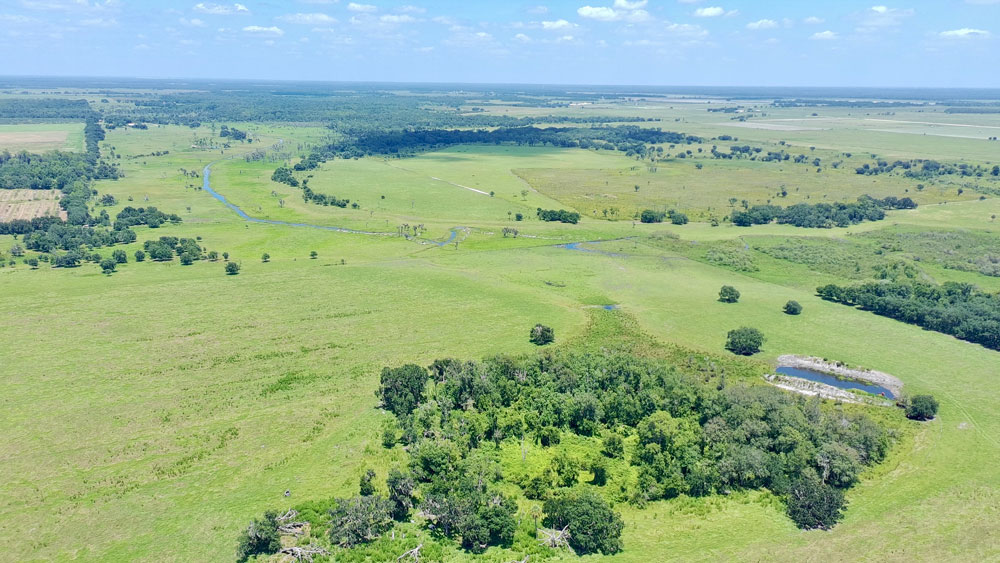
Stevens Land and Cattle, Hardee County, Florida
Stevens Land and Cattle
Stevens Land and Cattle, a 485-acre citrus and cattle operation in Hardee County, has been permanently preserved from development through a rural lands protection easement totaling $2,475,000. The property consists of citrus groves, pasture, and wetlands connected to Oak Creek. Oak Creek runs through the northeast corner of the property, which flows into Charlie Creek, an important tributary of the Peace River. The land provides protection to the water flowing into Charlotte Harbor, an estuary of National Significance whose waters are dependent on the protection of the rural Peace River Watershed.
About the Rural and Family Lands Protection Program
Established in 2001 with the passage of the Rural and Family Lands Protection Act, the program recognizes that working agricultural lands are essential to Florida’s economic future. As agricultural lands face increasing pressure from development, the Rural and Family Lands Protection Program partners with farmers and ranchers to ensure sustainable production practices while protecting natural resources.
Rural lands protection easements prevent future development of the land and allow agricultural operations to continue contributing to Florida’s economy and the production of food, timber, and other resources vital to the state’s prosperity. By purchasing development rights through a rural lands protection easement, the program also avoids the long-term costs associated with acquiring and maintaining state-owned conservation lands.
Since 2022, Commissioner Simpson has helped to secure more than $1.1 billion in state funding for the Rural and Family Lands Protection Program, including $425 million in the 2026/2027 state budget.
Commissioner Simpson has been involved in Florida’s land conservation policy issues long before becoming Florida’s Commissioner of Agriculture. As Senate President, Commissioner Simpson championed the successful passage of the Florida Wildlife Corridor Act, which directed the state of Florida to better protect and connect Florida’s natural areas and wildlife habitats and to preserve working agricultural lands from future development.
A story map of all completed Rural and Family Lands Protection Program projects can be viewed here: FDACS.gov/RFLPPMap.
For more information about Commissioner Simpson and the Florida Department of Agriculture and Consumer Services, visit FDACS.gov.
###