
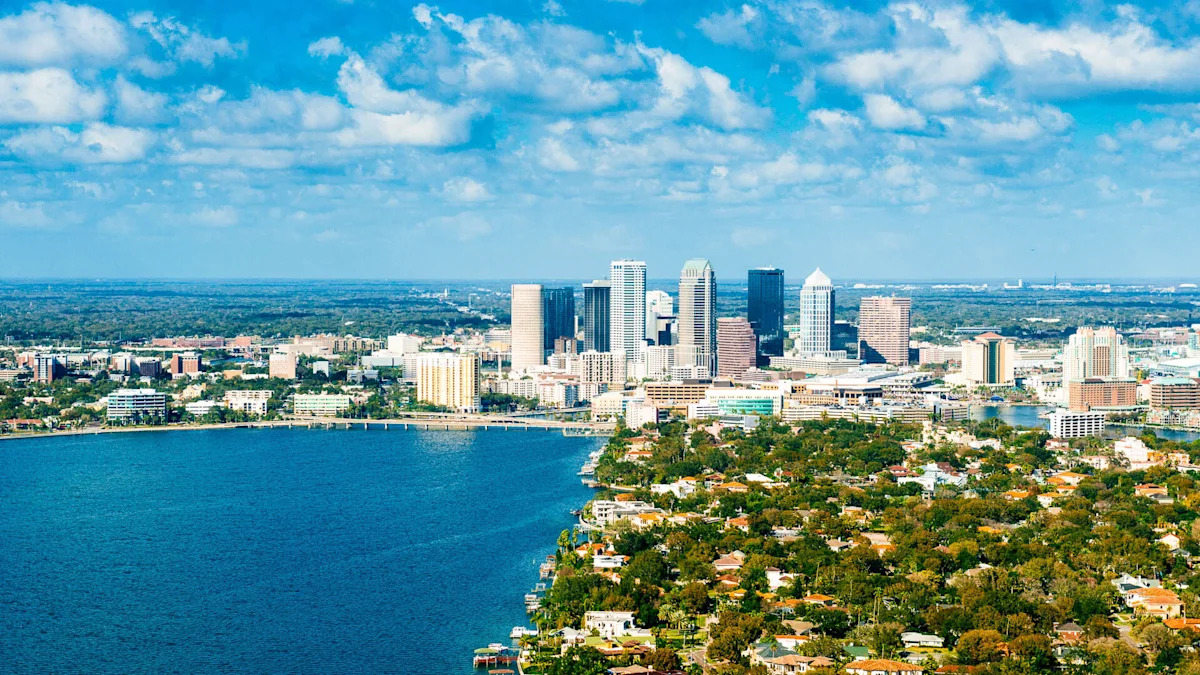
 ferrantraite · Getty Images
Florida looks like a steal on paper. Wide beaches, warm weather and no state income tax? Sign us up. But if you’re actually planning to buy there, you should know that not all Florida real estate is created equal.
As Florida real estate agent and founder of Lexawise, Alexei Morgado put it, “I do not recommend that you blacklist any of Florida’s cities, but I definitely advise you to watch out for those in which homebuyers have to cope with an uneasy combination of costly insurance, flooding and non-affordability.”
That trifecta of problems can turn your dream home into a financial headache faster than you’d think. So, we talked to Morgado and other real estate experts to find out which Florida cities are worth a hard pass — or at least deserve some serious scrutiny before you make an offer
St. Petersburg
Homes in St. Petersburg are reasonably priced at around $355,759 on average, which sounds great until you factor in the hidden costs.
“Pinellas County, located in St. Petersburg, is reported to have about 35.8% of homes having high flood risks,” said Thomas O’Shaughnessy, vice president at Clever Real Estate. “It is actually the first time in several years for the county to experience negative domestic inflows due to hurricane destruction towards the end of 2024.”
If you’ve got a federally backed mortgage in a high-risk flood zone, flood insurance isn’t optional; it’s the law. And it’s expensive, costing anywhere from $1,800 to $6,500 per year according to St. Pete Home Guide, with premiums climbing the closer you get to the coast. That’s essentially an extra car payment you didn’t budget for.
If you love the St. Petersburg vibe, O’Shaughnessy recommended looking inland to higher-elevation cities like Ocala, where you get the Florida lifestyle minus the annual flood insurance roulette.
Cape Coral
Cape Coral is cheaper than St. Petersburg with homes averaging around $337,346, but it might actually cost you more in the long run. The city has hundreds of miles of canals crisscrossing through neighborhoods, which sounds charming until you realize it means way more properties are vulnerable to flooding.
According to Mitch Coluzzi, head of construction and co-founder at SoldFast, the real damage shows up on your annual bill.
He said, “Between HOAs, property taxes and primarily insurance premiums, buyers could be paying $8,000 to $10,000 a year.”
That’s $96,000 to $120,000 over a decade, before you even factor in any actual flood damage.
For a similar lifestyle with fewer storms and lower premiums, Coluzzi recommended the Tampa metro area. He also suggested Bradenton, Sarasota and Spring Hill as solid options.
Miami Beach
In Miami Beach, home prices are pricier, averaging around $525,000. If you’re considering this area, Morgado cautions buyers about purchasing older condominiums.
“Concerning the older condominiums in Miami Beach, the issue becomes highly relevant since the reserve requirement, inspection, HOA fee and special assessment may alter the situation greatly,” he explained.
Last year, Governor Ron DeSantis signed legislation strengthening safety requirements for older condos and cooperatives. The new rules require many associations to maintain sufficient reserve funds and complete structural inspections, which sounds responsible until you realize who foots the bill. Some buildings have already responded by jacking up HOA fees or slapping owners with special assessments.
Morgado recommended looking at inland properties in areas like Lakeland and Gainesville if you want a more affordable home with a lower risk of weather-related issues. However, if you prefer coastal regions, he said buying a newer townhouse or single-family home in Miami is a better option over older condominiums.
This article was provided by MoneyLion.com for informational purposes only and should not be construed as financial, legal or tax advice.
More From MoneyLion: