
Grab your earplugs! Florida just earned a spot among the country’s loudest states, ranking fifth in a new study of noise levels from transportation networks to tourist activity by Alpine Hearing Protection.
According to the data, max decibel levels in the Sunshine State reach 68.26 — more than 13 decibels above the limit recommended by the U.S. Environmental Protection Agency for outdoor spaces. Keep scrolling to learn more.
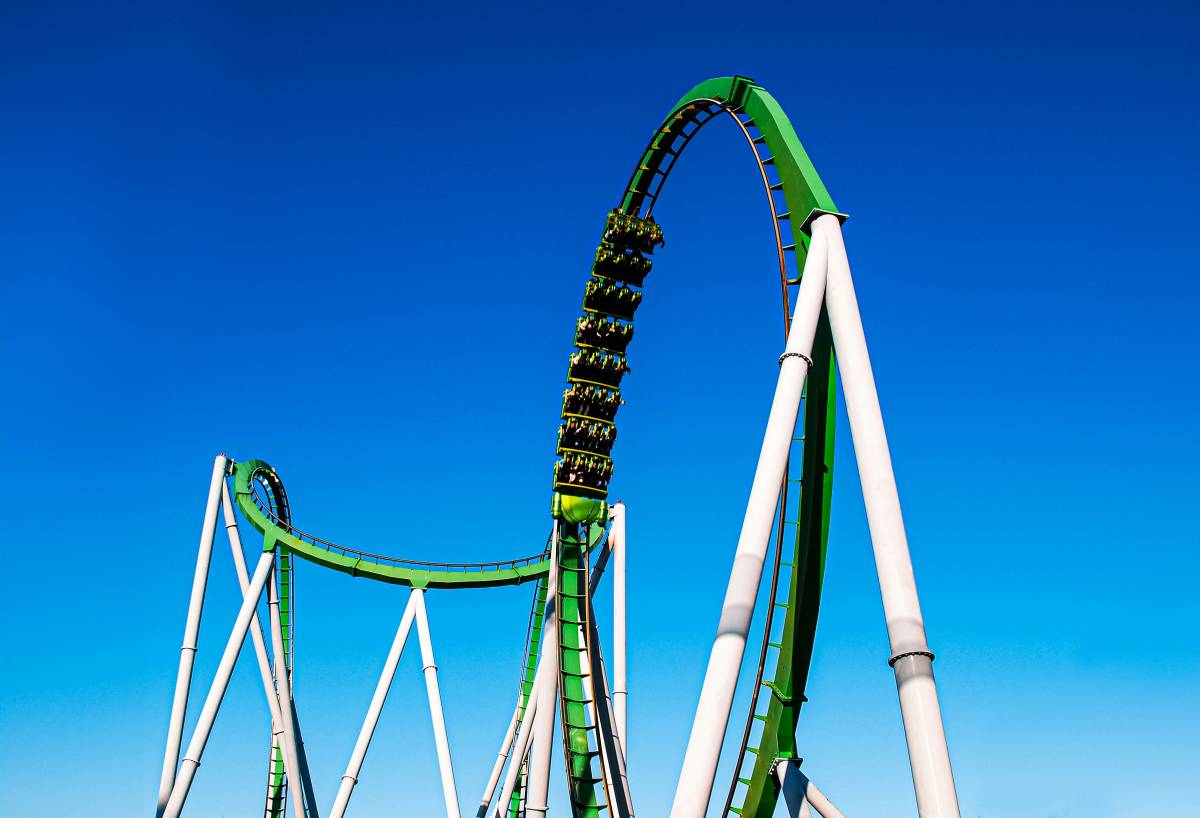
Within the state, Orlando tops the noise rankings at 63.09 decibels, driven by its identity as one of the world’s premier tourism destinations. The roar of theme park attractions at Walt Disney World Resort and Universal Orlando Resort — including coasters, fireworks and loud live performances — contributes significantly to the city’s elevated sound environment.
Miami and Fort Lauderdale follow at 62.61 decibels, where a thriving nightlife scene, boating and marine traffic keep decibel levels persistently high. Jacksonville, which registers 60.61 dB, rounds out the state’s three loudest urban areas.
Setting out to determine the loudest cities in the nation, Alpine used the U.S. National Transportation Noise Map for 2022–2023, spatially joined to census shapefiles to calculate average noise levels across postal areas, urban zones, counties and states. Postal codes with very low populations were excluded to avoid statistical outliers.
Overall, Texas claimed the top spot at 80.65 decibels — a level at which sustained exposure carries a measurable risk of hearing loss, according to Yale Environmental Health & Safety. Nevada (75.99 dB), California (71.08 dB) and Illinois (68.98 dB) follow, making up the top four.
On the flip side, Connecticut is the quietest state in the country, with a maximum of just 54.85 decibels to stay within EPA guidelines. Much of the state consists of low-density areas with zoning laws that promote greenery and quietness. It has larger plots and fewer apartment blocks, which brings less neighbor noise as well, per the study. Meanwhile, Vermont sits on the cusp with 55 decibels.
The EPA identifies 55 decibels as the threshold for protecting public health and preventing disturbance in outdoor environments, whereas a limit of 45 decibels indoors prevents annoyance and activity interference.
The agency also identifies a 24-hour exposure level of 70 decibels as the threshold to prevent measurable hearing loss over a lifetime. With noise well above that benchmark in the long term, not only is hearing damage a factor, but also sleep disruption and cardiovascular stress.