
Pinellas County has recorded two locally acquired cases of dengue fever, the county’s first local transmission of the mosquito-borne virus in more than 15 years.
The Florida Department of Health in Pinellas County issued a mosquito-borne illness alert Aug. 11 following confirmation of the two cases. Neighboring Hillsborough County has reported eight locally acquired cases, bringing the Tampa Bay total to 10.
Pinellas County Mosquito Control has concentrated its response in Palm Harbor, increasing inspections and deploying truck-mounted fogging operations at dawn. County officials said surveillance has shown increased mosquito populations and mosquito-borne virus activity.
The dengue cases come amid broader signs of an active mosquito season in Pinellas. Earlier this month, the county reported increased detection of West Nile virus in its sentinel chicken surveillance program. No human West Nile cases had been reported at the time.
Recent rainfall has also created abundant mosquito breeding habitat across the county. Mosquito Control has responded with additional truck fogging, aerial larviciding and inspections in areas showing elevated mosquito activity.
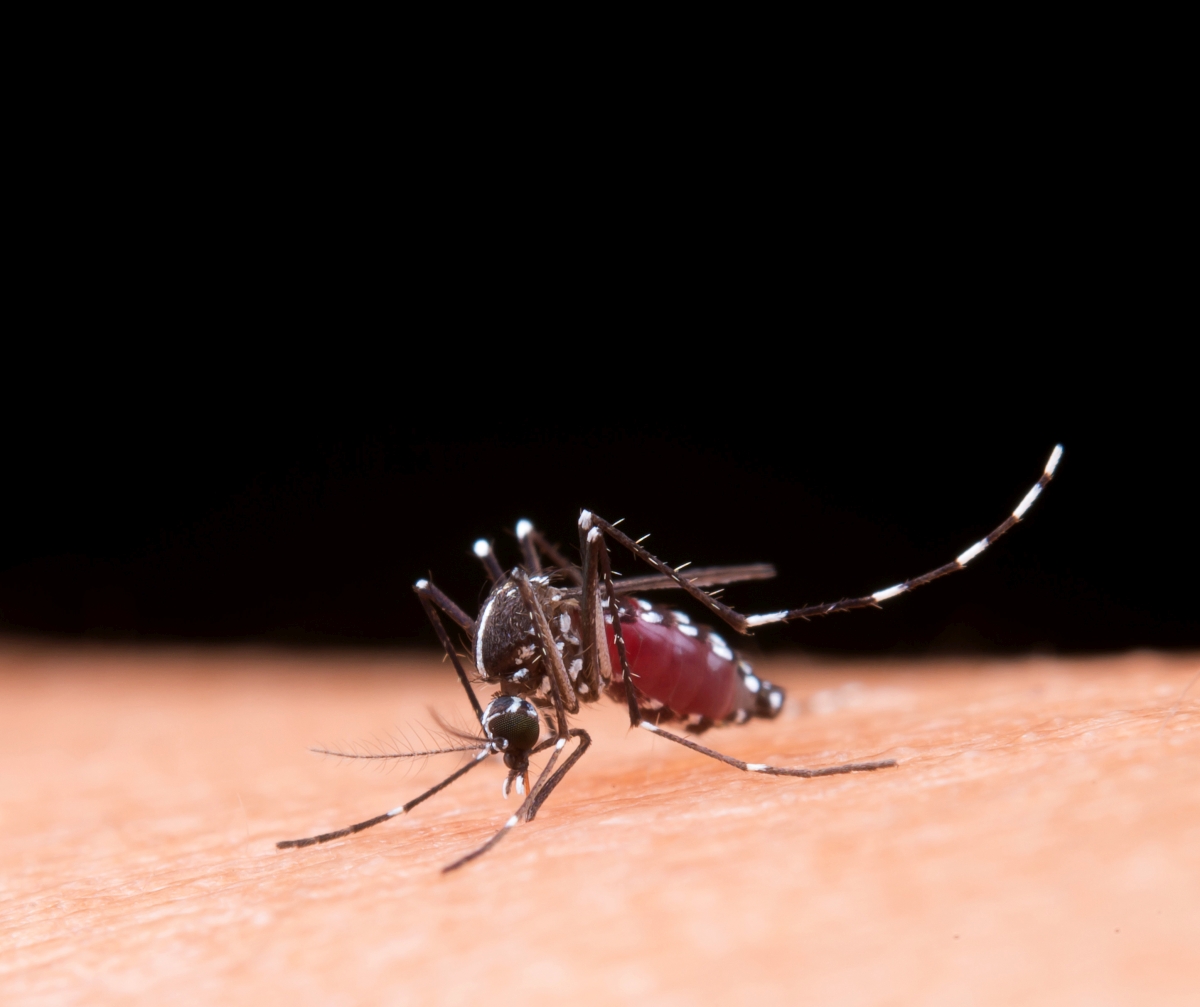
Dengue is primarily transmitted by Aedes aegypti and Aedes albopictus mosquitoes. Unlike some mosquito species that are most active around dusk and dawn, these mosquitoes commonly bite during the daytime and frequently breed in small containers of standing water around homes and businesses.
Locally acquired cases indicate that transmission occurred within the area rather than during travel to a region where dengue regularly circulates. Local transmission can begin when a mosquito bites someone carrying the virus, who then becomes infected and later transmits dengue to another person.
The Centers for Disease Control and Prevention says most people infected with dengue have no symptoms or experience mild illness. Symptoms can include fever, headache, pain behind the eyes, muscle and joint pain, nausea, vomiting and rash. Severe dengue can cause internal bleeding, shock and, in rare cases, death.
There is no specific antiviral treatment for dengue. Health officials advise people experiencing symptoms, particularly those who may have been exposed to mosquitoes in an area with known transmission, to contact a healthcare provider.
Pinellas officials are asking residents to help reduce mosquito populations by eliminating standing water around their properties. Buckets, flowerpots, bird baths, gutters, tarps, toys and other containers can hold enough water for mosquitoes to reproduce.
The county recommends its “3 Ds” of mosquito protection: dump standing water, defend against mosquitoes with an EPA-approved repellent and dress in clothing that covers the skin when practical.
Residents can also request mosquito-control service through Pinellas County if they are experiencing significant mosquito activity.
The Florida Department of Health said it will continue statewide surveillance for mosquito-borne illnesses while Pinellas County continues targeted mosquito-control efforts in areas where increased activity has been detected.