
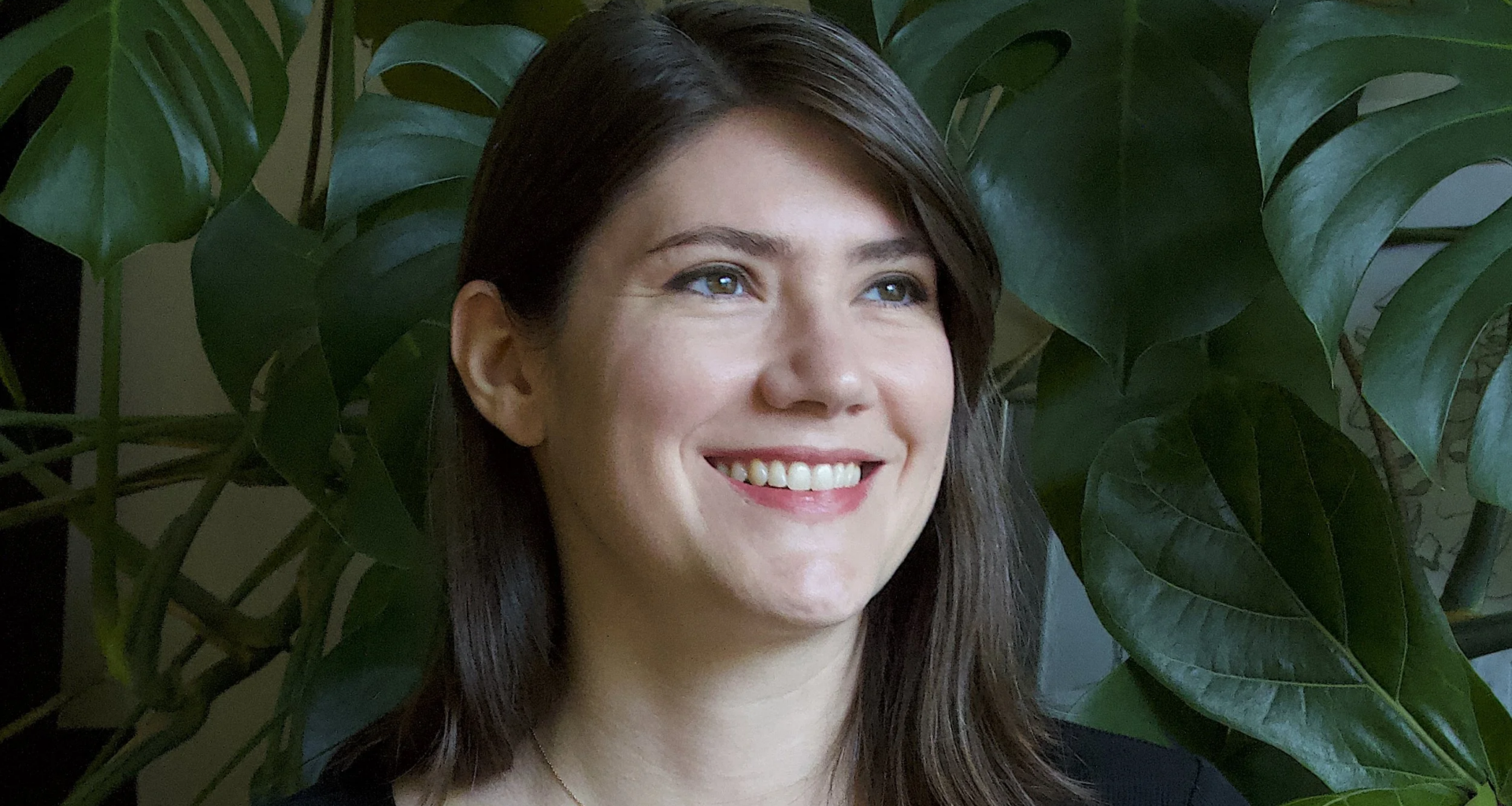
 Arielle Hebert Credit: Scott Krier
It’s the kind of poetry that reads like late night trips across the Skyway in a shitty car with an empty gas tank, blasting the radio en route to the next party somewhere too far away. Or like finishing a shift at the restaurant, walking to the bar down the road and taking too many shots because the tourists are buying again. The poor decisions blur into the mess. The good times are remembered.
Arielle Hebert’s “Bottom Feeders,” published in June by Black Lawrence Press, summons a kind of wild Florida girlhood poem by poem, each one popping like the pills that flowed so freely through the state in the late-2000s. The collection captures how invincible those days could feel, and the distinctly Florida impulse to keep feeding the flame even when everything is already burning.
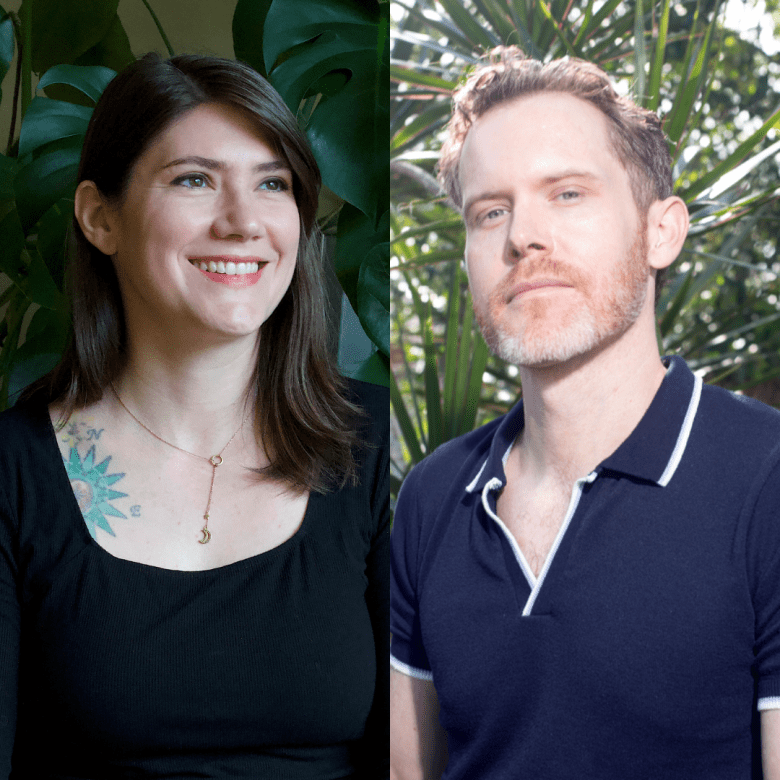
Ahead of her Sept. 3 reading at Tombolo Books with fellow Florida poet Tyler Gillespie, Hebert spoke with Creative Loafing Tampa Bay about the state that shaped both her and her poetry.
This collection feels like you’re writing about two distinct Floridas that keep brushing up against each other in all of these poems…the fantasy and the reality. There’s this wildness at the edges, foaming and frothing over into everything. It’s like you’re on this glittering beach and someone’s OD’ing. How were you thinking about that tension?
I think there is that undeniable beauty and paradise aspect to growing up in Florida, going to the beach and living in a place where other people vacation.
But…bad things can happen everywhere, even in beautiful places like Sarasota and Florida.
Especially growing up and coming of age when we did, there was this unprecedented third factor, which was the opioid epidemic, something that no one had dealt with in our previous generations.
It almost has this Vegas aspect where what happens in Florida stays in Florida. Everyone goes there to misbehave and let loose and have a good time.
That rings true and I kept thinking about this culture of disaster.
The Vegas comparison is so interesting. I never thought about Florida being similar to Vegas until I went there for the first time last fall. You could tell it had once been a place with its own panache, its own uniquely American culture, and what I saw was a ton of people working to keep the illusion going.
That’s a great way to put it…to keep the illusion going.
There’s the cost of maintaining that. I also noticed this relationship in the book…where these queer safe third spaces overlap with addiction.
There are these fleeting moments that mean the world but that you can’t really piece together into something solid because where we lived wasn’t necessarily safe to be queer.
As a young person, before you’re old enough to be going into gay bars or adult queer spaces, those third spaces were the beach or house parties or public areas where you could gather and be yourself. You could be the version of yourself that you couldn’t be at home, or that you weren’t allowed to be at school yet.
The era you’re writing about and the “anything goes” nature of that time allows you to explore the language and shape of the poems.
The poems themselves almost feel poppable. They’re compact.
That’s interesting. I find it fascinating and terrifying that you just used pill language, “poppable.” It immediately made me think, ‘Oh my God, yeah, popping these poems just like pills.’
What your work gets at, too, is how growing up here allowed us to be wild in this very particular way. It’s almost like “Where the Wild Things Are” in real life. You could disappear to the beach and it was almost like, whatever…we were all just fucked up.
You used the phrase “anything goes,” and I think that vibe was such an overarching rule…or lack of a rule.
We were all just trying to do our best. There were definitely some regrettable choices, but I never felt like it was something happening in isolation.
And I think that’s another interesting part of scratching below that touristy illusion of the surface. It’s not only rich and beautiful and powerful people who live here. There are also people working in the service industry, working in fields and farms, doing jobs that aren’t shiny and glorious.
And there’s a cost to those jobs for those people, too.
Especially when pills and opioids started to flourish.
And I think that’s what made it feel even more like this was normal and like this was how it was everywhere. It was at school. It was at your job. It was at the beach. It was inescapable.
Until I left Florida, I thought the whole country was dealing with an opioid problem in the same way…But Florida almost got out of that cultural narrative unscathed.
“Bottom Feeders” has this very specific kind of Gothic feeling to it. It feels very Ethel Cain-core to me. The wildness of ourselves and the wildness of this place are always at odds with trying to appear tame…or trying to maintain the appearance of paradise.
There’s also this cult of personality growing up here. You almost don’t want Florida to get a bad name. You want to show people a good time.
People come there and vacation there to have a good time. So when you grow up there, you think that’s also what life is about. You just want to have a good time. And who doesn’t want to have a good time?
The wildness is definitely part of that Venn diagram of the cult of personality. It’s a reputation that you want to uphold and deny at the same time, that you want to embrace but also challenge.
You’re expected to be part of this wild, beautiful romp, but it’s not real.
It’s a relationship we’ve romanticized past the point of reality.
But when you live there, you think that is reality. And for you, it is.
That’s something in the book I don’t think I did intentionally, but it was always on my mind: This was how it really was.
It was this bad.
It was this bad…
And this beautiful.
And this beautiful. And these things really did happen.
Especially for young girls, there’s so much we’re fed about what messy girlhood can look like or should look like. Boys are allowed all these different mistakes.“Boys will be boys.” All these forgivable offenses for young guys…
But not us.
Not us.
And I think part of the fun of writing the book was getting to be a messy girl again. You mentioned Ethel Cain, and I feel like there’s this blue-collar madness that I also embrace…humble origins and finding our fun without being one of the rich kids.
What was the process of putting together this collection like?
It was a long, long labor of love. I started writing the poems a little over 10 years ago. I was writing all these Florida poems. I was writing all these messy-girlhood, feral-girl-gang poems.
When I first started putting the collection together, it was really heavy. I got some great feedback basically saying, Yes, this is a love story, and you’re heartbroken, but we need to see the good days.
I remember getting off one of those phone calls or meetings and writing myself a sticky note that said, “I promise not to leave the good days out.”
That became the title of one of the poems.
Was part of that making peace with moving into a different space in your life?
Dealing with the guilt of leaving was such a big part of it.
If things had been bad all the time…if they were all dark experiences, it would have been easy, or should have been easy, to escape or step away.
But because there were all these good things, and all this beauty, it made it hard to leave.
You have a 7-Eleven Easter egg in the book. I’m a big 7-Eleven person. What was your go-to 7-Eleven favorite?
Definitely. The Slurpees. My husband loves Mountain Dew, so later in life I got into Mountain Dew Slurpees.
A late-in-life Mountain Dewer.
Previously, I was a Mountain Don’t-er. Snack-wise, they sell those giant pickles in a bag…the zesty garlic giant pickle is definitely my favorite.
Related Stories
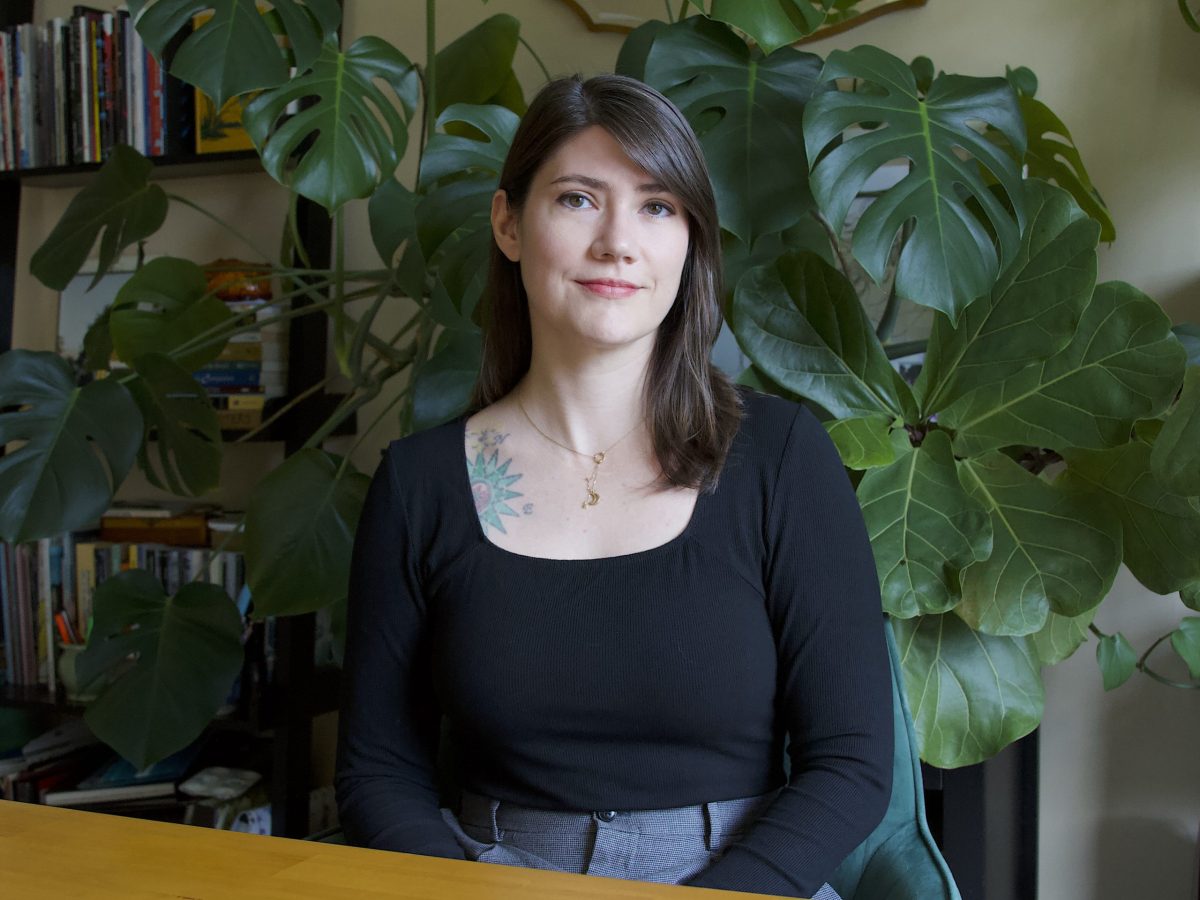
Herbert is in discussion with poet Tyler Gillespie on Sept. 3 in St. Petersburg.
Pitch in to help make the Tampa Bay Journalism Project a success.
Subscribe to Creative Loafing newsletters.
Follow us: Google News | NewsBreak | Reddit | Instagram | Facebook | BlueSky
This article appears in August 20 – 26, 2026.
Related