
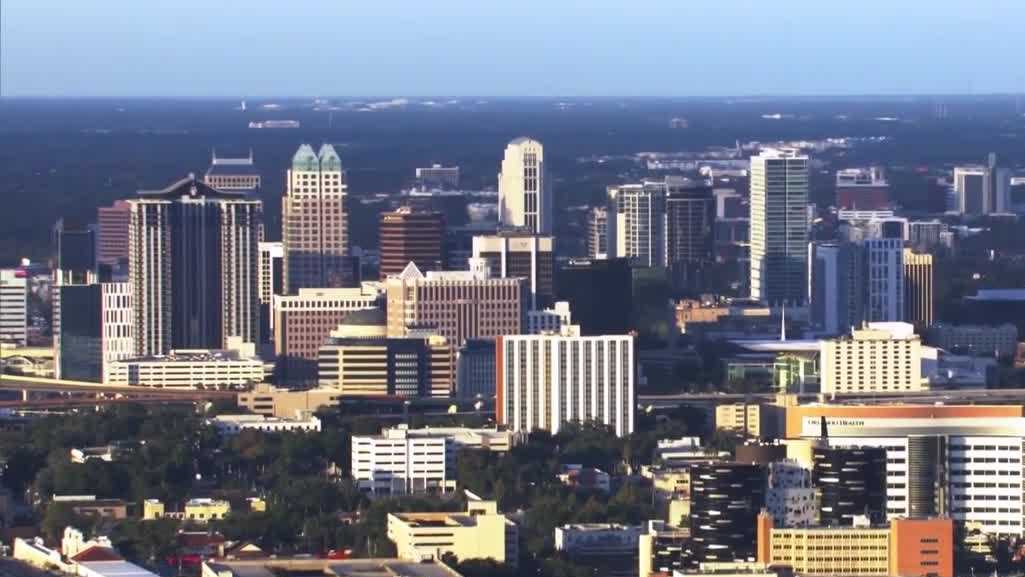
Orlando risks losing historic preservation status over downtown redevelopment ordinance
 ORLANDO, Fla. —
Orlando’s historic preservation certification is at risk after the state flagged violations in a new ordinance designed to simplify redevelopment in the downtown historic district.
City Commissioner Patty Sheehan expressed disappointment over the potential loss of funding.
“We’ve gotten up to $5 million for projects and historic preservation from the state. And now the state is saying they’re going to pull their support and their funding,” Sheehan said.
In June, the Orlando City Council approved a temporary, 36-month modification to the review and approval process for projects in the downtown historic district. The city stated the goal of the ordinance is to make it easier to renovate older buildings and encourage new investment.
Sheehan opposed the ordinance, citing concerns about vacant retail spaces in newer buildings.
“What really frustrates me is there are many, many new buildings with first-floor retail vacant, just like they’re saying is on Church Street. I think they need to figure out how to fill these empty spaces, not how to tear down historic buildings,” Sheehan said.
The city provided the ordinance to the state for review as a courtesy. However, a letter from Florida’s historic preservation officer to Orlando Mayor Buddy Dyer stated, “We have completed our review of the adopted ordinance (No. 2026-18) and determined the ordinance does not comply with the requirements of the Certified local government program and associated federal requirements.”
The city has 180 days to address the violations or face decertification.
The letter further warned, “Decertification of the city’s certified local government program would affect the city’s access to federal Historic Grant Preservation Funding and grant match waived under the Division’s Small Matching Grant Program.”
Sheehan criticized the potential financial impact of the situation.
“We’re throwing away millions of dollars. This makes no sense to me,” she said.
The city stated it is currently reviewing the comments and will provide any necessary clarifications within the state’s six-month response timeline.