
TAMPA, Fla. — Investment and development are expanding across Tampa, but for some longtime East Tampa homeowners, the changes are raising concerns about whether they will be able to afford to remain in the community.
A recent CBRE survey ranked Tampa seventh among U.S. markets targeted by commercial real estate investors in 2026. Multifamily was the top investment target, with 74% of investors surveyed looking to invest in the sector.
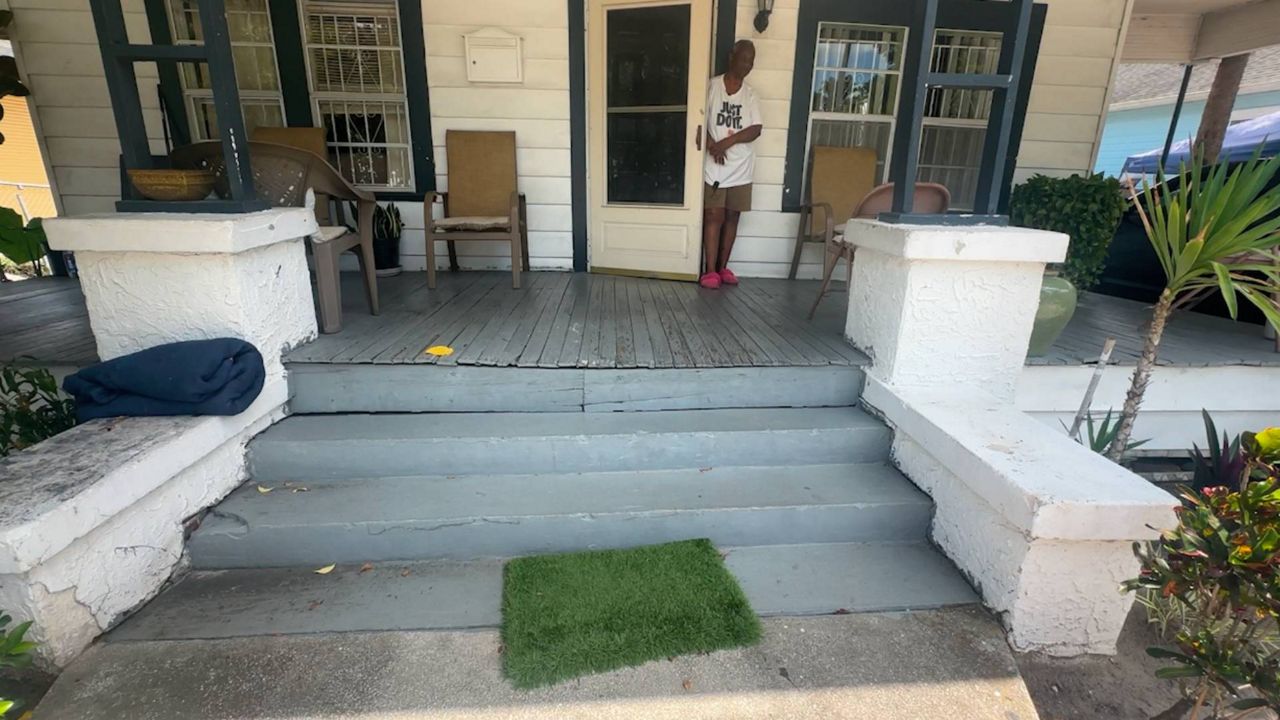
In East Tampa, longtime homeowner Rosetta Jacobs has watched new homes and apartments go up around her neighborhood.
“Got new houses and new houses, and they are building new apartments across the street,” Jacobs said as she looked at her neighborhood from her doorstep.
Jacobs has lived in her home for four decades and has paid it off. But she said she continuously receives calls and mail from people interested in buying her property.
“They want to buy your house,” Jacobs said.
But Jacobs isn’t interested in selling.
“I’m getting up in the age and I don’t want to sell,” she added.
The growing investment comes as Tampa continues to see development in areas including Water Street, downtown and West Tampa.
Travis Brooks, a broker and owner of Brooks Realty LLC and third vice president of the National Association of Real Estate Brokers, said East Tampa’s location has made it attractive to investors.

Travis Brooks is the broker and owner of Brooks Realty LLC and third vice president of the National Association of Real Estate Brokers (Spectrum News/Fadia Patterson)
“We’ve seen the development in the city as a whole all the way from Water Street, downtown Tampa, West Tampa, all of that is leading up to the East Tampa area,” Brooks said. “So the location of East Tampa has been quite sought after for some time.”
Brooks said growth is inevitable, but longtime residents should have a voice in determining what happens in their neighborhoods.
“I do understand long term residents do not want to be displaced,” Brooks said. “So how do we create a win win for everybody?”
He encouraged residents to attend community redevelopment agency meetings, neighborhood association meetings and city council meetings so they can participate in development decisions before projects move forward.
“We have to be in the decision making of what comes in your community,” Brooks said.
The federal government also recently enacted the 21st Century ROAD to Housing Act, which includes provisions aimed at limiting additional purchases of single-family homes by large institutional investors that control 350 or more homes, with exceptions.
For homeowners facing unsolicited offers, Brooks recommends understanding the value of their property and consulting a real estate professional before making a decision.
For Jacobs, the issue is not whether East Tampa should grow. It is whether longtime residents will still be able to be part of that future.