
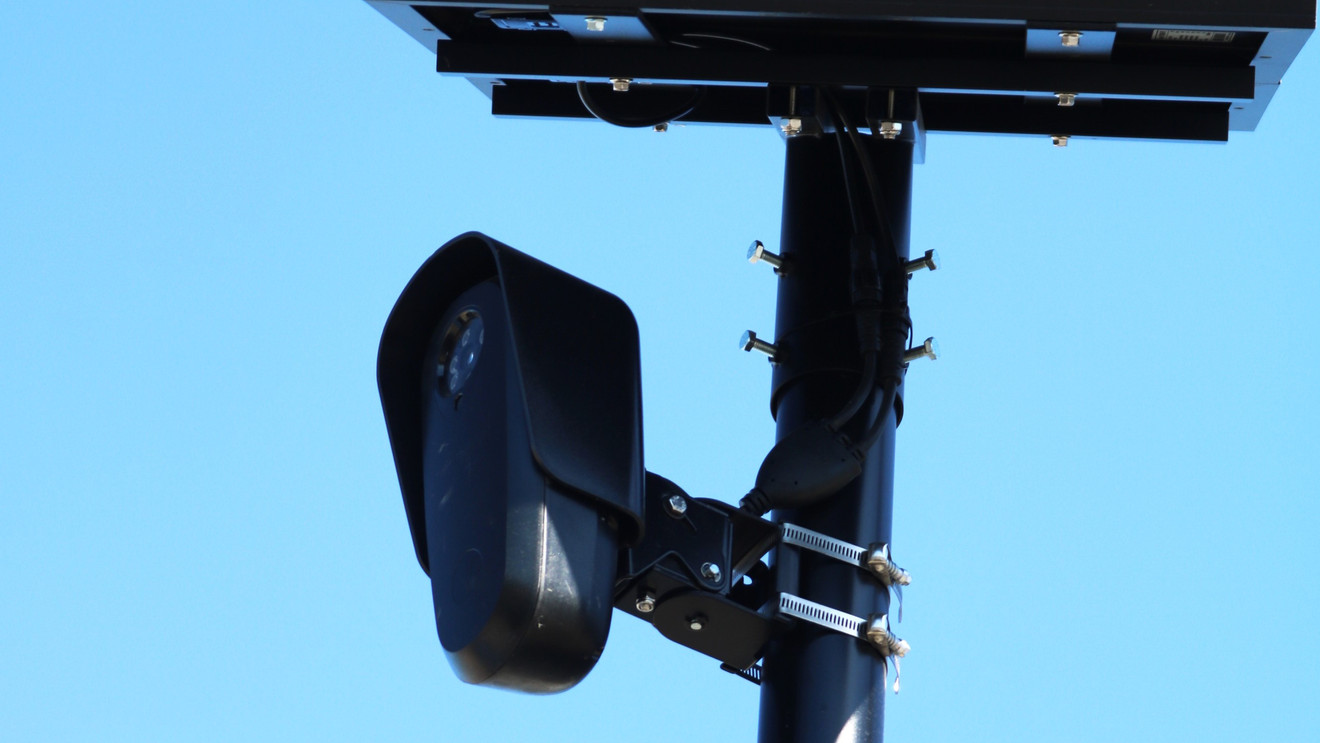
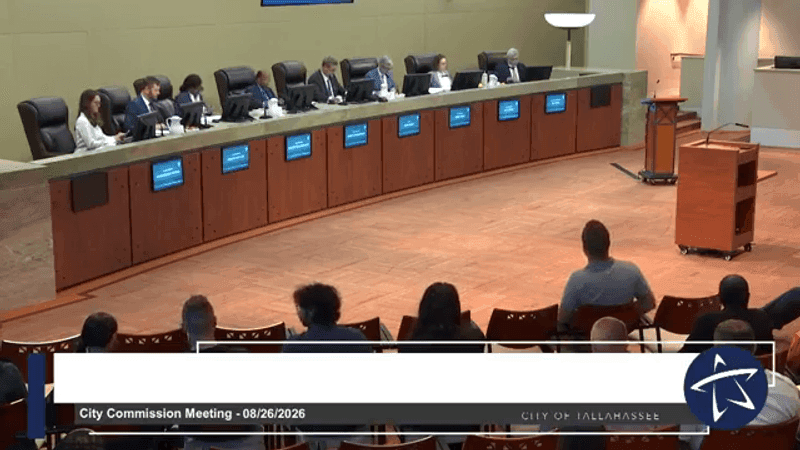
TALLAHASSEE, Fla. — The Tallahassee City Commission rejected an effort Wednesday to begin the process of ending the city’s relationship with Flock Safety and removing automated license plate reader cameras from the city.
Commissioner Jeremy Matlow proposed bringing back an agenda item outlining how Tallahassee could get out of its Flock contract and remove cameras within the city limits. Commissioner Jack Porter seconded the motion.
The proposal failed 3-2, with Mayor John Dailey, Mayor Pro Tem Curtis Richardson and Commissioner Dianne Williams-Cox opposed. Matlow and Porter supported it.
The vote followed another lengthy discussion over whether the cameras are an important crime-fighting tool or a surveillance system that poses unacceptable privacy and civil-liberties risks.
Matlow: It’s time to start removing cameras
Matlow said commissioners have discussed Flock cameras since at least last year and argued that controversies involving automated license plate readers around the country demonstrate the need for action.
“I think we’ve talked about it enough,” Matlow said, adding that he was comfortable beginning the process of removing the cameras.
Several residents raised similar concerns during public comment.
One speaker criticized the amount of information collected by the system and questioned how searches are conducted. Another said license plate readers could allow authorities to build detailed records of people’s movements and routines.
Residents also questioned a new transparency portal announced this week by the Tallahassee Police Department and Leon County Sheriff’s Office. One speaker said TPD’s portal showed 1,409 user-initiated searches during the previous 30 days, while criticizing the portal for not publicly displaying the stated justification behind individual searches.
Police chief defends technology
Tallahassee Police Chief Lawrence Revell strongly defended the system, describing automated license plate readers as an invaluable public-safety tool.
Revell cited cases in which license plate reader technology helped authorities locate suspects and recover endangered missing people. In one example, he said information from a license plate reader helped Georgia authorities stop a vehicle within hours and recover money, masks and guns.
Revell also acknowledged that license plate reader systems have been misused by law enforcement officers elsewhere in the country, but said TPD has safeguards designed to prevent that from happening locally.
According to Revell, each TPD search must have a legitimate legal purpose, a case number and a description. Supervisors monitor and audit the system, and violations of department policy can result in discipline up to termination and possible criminal charges.
Revell said TPD recently audited 293 searches flagged by the system as potentially questionable from January through the present. He said the department reviewed each one and determined all were legitimate, with flags caused by issues such as incomplete case numbers or insufficiently entered justifications.
The chief said the department’s new public portal allows residents to see information about searches and that more detailed information can be sought through public records requests.
Privacy versus public safety
The debate exposed a broader disagreement over how the city should balance emerging surveillance technology against public safety.
Williams-Cox pointed to the cameras’ usefulness alongside Tallahassee’s Real Time Crime Center and other technology, arguing that such tools can help police solve crimes more quickly when the department does not have enough officers to be everywhere.
Porter sided with Matlow, saying civil-liberties concerns remain significant. She also suggested holding a public town hall where residents could question police and learn more about how the technology operates.
Although commissioners rejected Matlow’s proposal to begin exploring removal of the cameras, they agreed to Porter’s proposal for a town hall on the issue, with Porter expected to take the lead in organizing it.
Revell also agreed that TPD could periodically provide commissioners with information about how the license plate reader system is being used locally.
For now, Tallahassee’s Flock cameras will remain in use, but Wednesday’s vote ensures the debate over their future — and the rules governing their use — is not over.
Tallahassee City Commission.png