
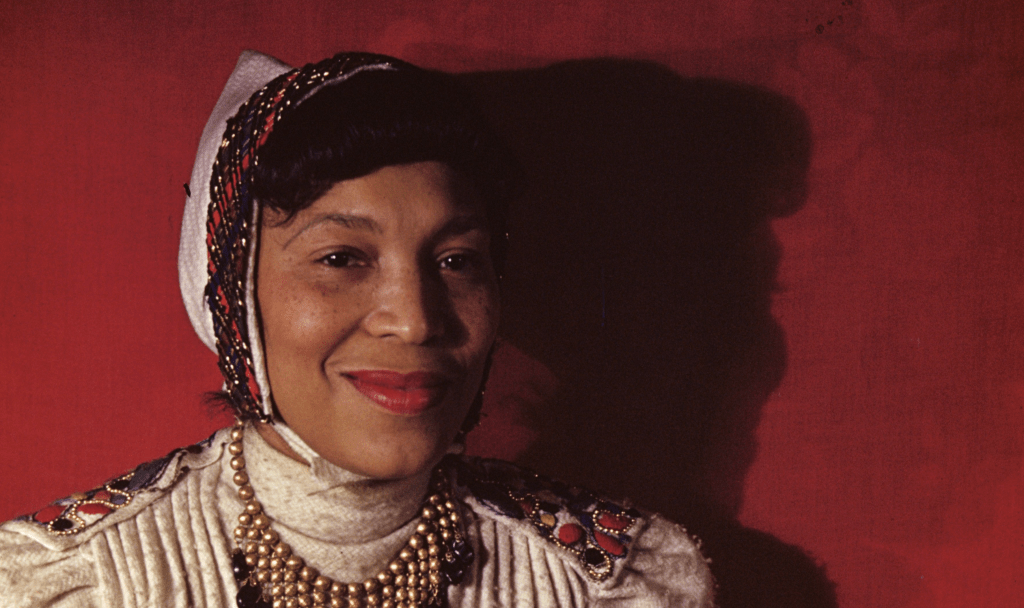
 Kodachrome image of Zora Neale Hurston on July 18, 1946. Credit: Carl Van Vechten / Carl Van Vechten, Public domain, via Wikimedia Commons
Since its publication nearly 90 years ago, Zora Neale Hurston’s novel “Their Eyes Were Watching God” has faced opposition. It’s still the ire of parents who’ve pushed for its ban in counties across the U.S. and Florida.
More than a Black feminist classic, the 1937 work is simply human and tells the story of a voiceless girl trying to forge a path for herself—with a stop in the Everglades along the way.
Book club members who head to Tampa’s Encore! district this week will discuss the book written in just seven weeks, and how “Hurston’s use of regional dialect, folklore and interior reflection helped reshape American literature…”
There’s no cover for the Black History Book Club meeting happening Monday, Aug. 31 at Tampa’s Black History Museum.
This article appears in August 27 – September 02, 2026.
Related
Read his 2016 intro letter and disclosures from 2022 and 2021. Ray Roa started freelancing for Creative Loafing Tampa in January 2011 and was hired as music editor in August 2016. He became Editor-In-Chief…
More by Ray Roa