
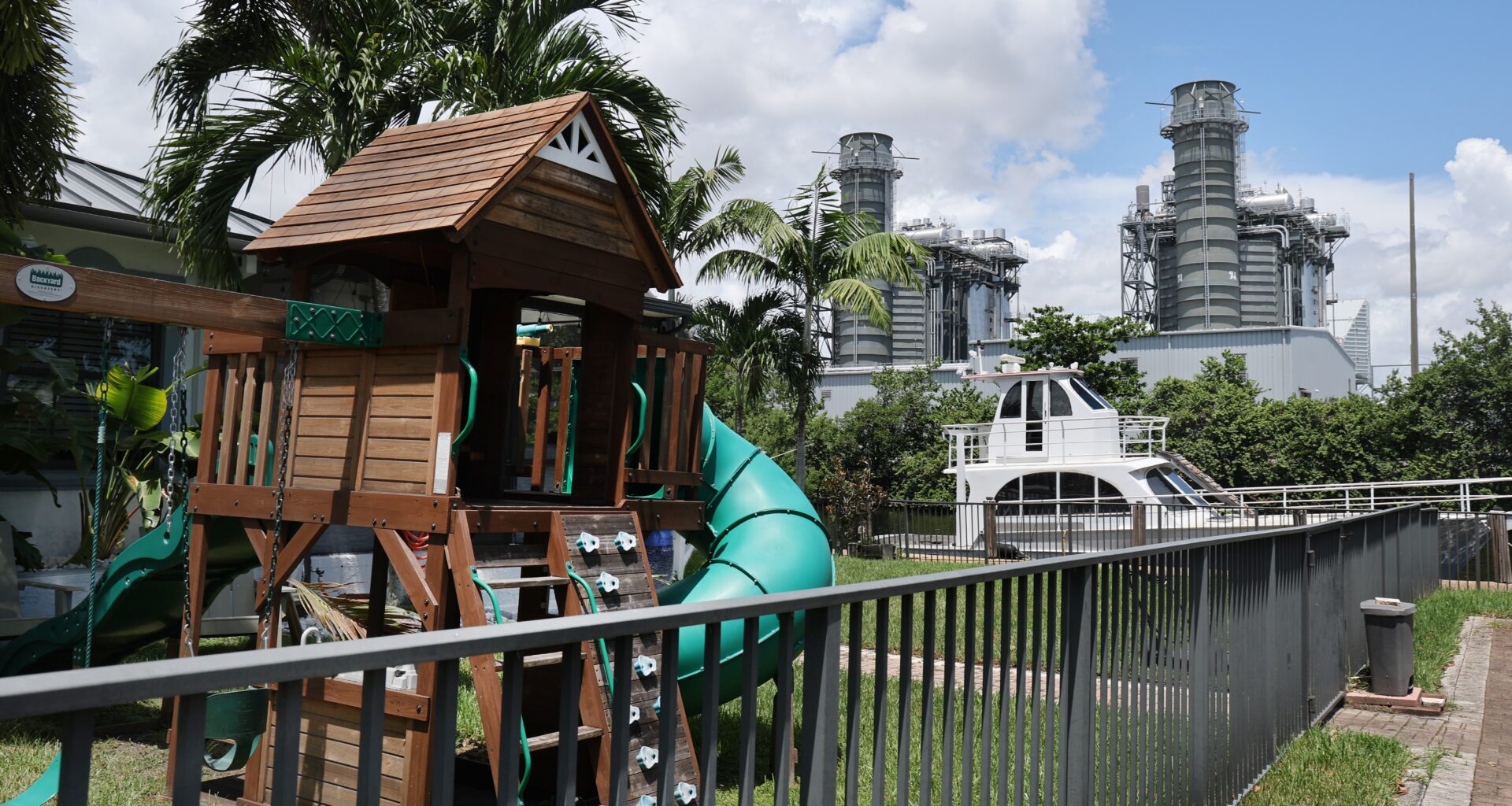
Dozens of Dania Beach homeowners are suing FPL for ruining the tranquility of their neighborhood with a noisemaking power plant they say makes the quietest evenings sound like living in a laundromat with all the machines in use.
Broward Circuit Judge David Haimes set a potential trial date for late next year in the case of Louis Toll et al v. Florida Power and Light, a bundle of 86 individual lawsuits against the power company with one complaint in common: a sound, like a jet engine, a lawnmower, a laundromat, a blender … a sound that just won’t go away, especially at night.
“I can lie in bed and try to ignore it, but all I hear is the constant sound of the turbines,” said Toll, who lives near the northwest tip of Davis Isles, a community of upper middle-class homes, about half of which have swimming pools, access to canals to take their boats to the ocean, or both.
“I’m not accustomed to sleeping with ear plugs and pillows over my head,” Toll said. “But I guess I have to be.”
FPL first announced the construction of the Dania Beach Clean Energy Center in 2017 and completed it 2022. It sits north of Griffin Road and east of US 441, with Davis Isles directly to the south. According to the lawsuits, residents were told the new plant would be more efficient, cleaner and most of all, quieter than the plant it was replacing.
When it started operating, the noise was unbearable, according to the lawsuits. Residents were told it would be temporary. They’re still waiting for the quiet to return.
“During the winter, when the rest of South Florida is opening their windows to let the fresh air in, we can’t,” Toll said. “We have to run our air conditioner just to drown out the sound of the plant.”
Defense lawyers pointed out in court filings and before Judge Haimes that some of the plaintiffs, including Tolls, live directly under the flight path of planes heading into Fort Lauderdale-Hollywood International Airport. But the noise from those jets pass in less than a minute and do not continue through the night without a break, Toll said.
Stacey Toll used a phone app to measure the noise coming from the plant at 93 decibels, similar to a passing subway train or a leaf blower. A professional reading has not yet been filed as part of the case.
Attorneys originally wanted to join their lawsuits as a class action, but a court denied that motion, agreeing with FPL’s lawyers that too many facts distinguish the cases from each other. Each plaintiff has a different standard for how they are being inconvenienced by the plant.
Besides, the FPL attorneys argued, promises made by the defendants are not actionable unless it can be established they knew at the time the promises would be broken.
“An incorrect statement of future intent is not actionable unless the maker of the alleged statement knew that the statement was false when made,” the attorneys wrote in a motion to dismiss, which was rejected on Aug. 7.
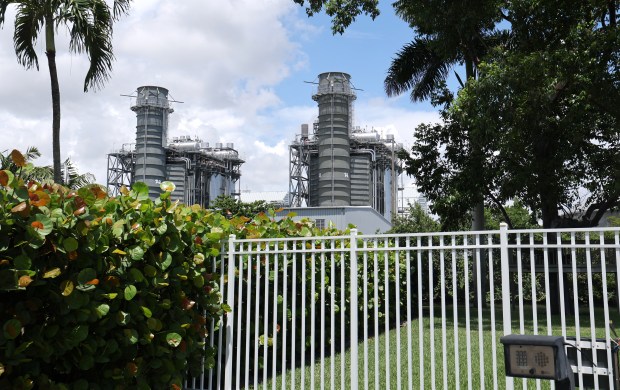 An FPL plant is seen across the canal near a home in the Davis Isles community in Dania Beach. (Carline Jean/South Florida Sun Sentinel)
A hearing on the case last week previewed some of the challenges the judge will face in deciding how to proceed. Without a class action, it’s conceivable that the power company could ask for separate juries, breaking the plaintiffs into groups with similar allegations or even treating each one individually.
Benjamin Widlanski, attorney for the plaintiffs, floated the idea of selecting a handful of “bellweather” cases that could be decided by a single jury and offer both sides a chance to see whether they are better off settling the rest of the cases out of court.
Dorian Daggs, one of the attorneys for the defense, opposed the idea, and Judge Haimes did not resolve how to proceed.
“For years, residents of Davis Isles have endured constant noise and nuisance, which have damaged their quality of life and their property values,” said Widlanski, a partner with Kozyak Tropin & Throckmorton. “We look forward to securing the necessary relief to make our clients whole.”
The plaintiffs are seeking compensation for a decline in the value of their homes, which they intend to establish at trial, and some sound mitigation to stop the noise from reaching their homes without losing their access to the canals.
Rafael Olmeda can be reached at rolmeda@sunsentinel.com or 954-356-4457.