
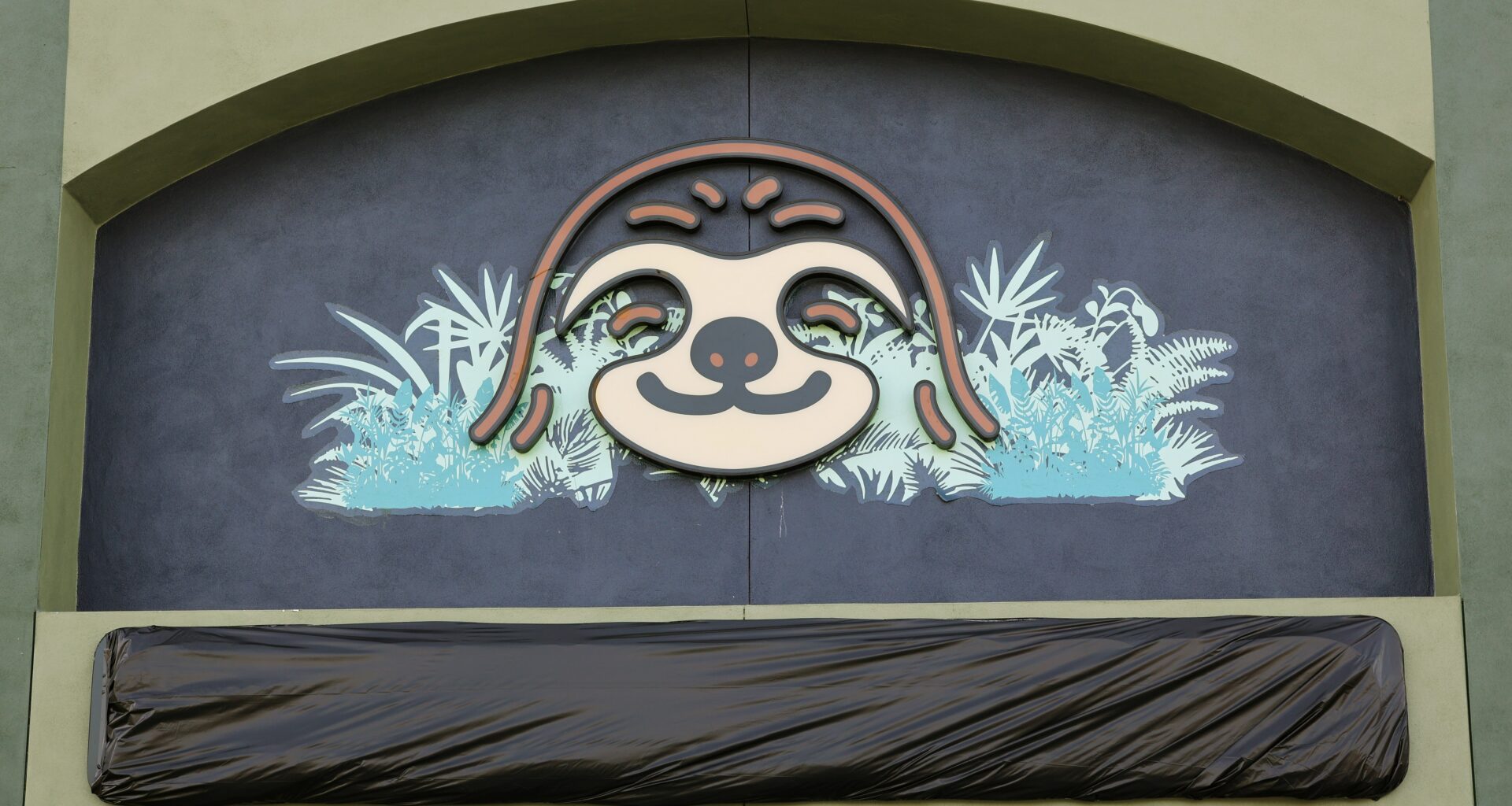
More than 50 sloths died unnecessarily at Sloth World, an Orlando tourist attraction that will never open. On April 25, the Central Florida Zoo & Botanical Gardens accepted a donation of 13 very ill sloths from Sloth World, thus accepting the challenge and financial responsibility of trying to save and care for those sloths.
We believe our work must go beyond caring for the well-being of the eight remaining sloths. We must make sure that the deaths of all the Sloth World sloths, including the ones who lost their long battles to survive after their arrival at our zoo — Bandit, Habanero, Dumpling, Willow, and Mr. Ginger — become the impetus for changes.
Many people are expressing outrage that Florida Fish and Wildlife Commission (FWC) and the Orange County Sheriff’s Office investigations found the owners of Sloth World guilty of no criminal wrongdoing. While what happened was outrageous and tragic, it was possible because of a flawed system that allowed Sloth World’s owners to continue to import a vulnerable and delicate species they did not have the knowledge to care for properly.
Sloths (like squirrels and raccoons) are classified as a Class III species in Florida, a large category for non-domesticated species that are not considered dangerous to human safety.
Florida does require a permit to own a sloth as a pet, to exhibit or to sell. However, those permits do not require any experience with sloths, and there is no requirement to report the death of a Class III animal. Such a requirement would have raised red flags much earlier about what was happening at Sloth World.
FWC is an essential partner to our zoo and other AZA-accredited Florida zoos and aquariums and other conservation organizations. FWC professionals do important work protecting wildlife every day.
In this case, I don’t believe Florida’s regulatory structure gave FWC’s team the information and standards they needed to identify the problems and intervene in time to save more animals.
 Following the Sloth World situation, FWC halted sloth imports temporarily and strengthened the permitting requirements for bringing sloths into Florida — meaningful actions and should be applauded.
However, what happened at Sloth World exposed weaknesses in Florida’s system that we have an obligation to fix. FWC’s actions are an important start. But Florida must go further.
First, Florida should require reporting of permitted exotic animals’ deaths. Had such a requirement existed, the mounting number of deaths at Sloth World could have raised red flags much earlier.
Second, Florida should strengthen the qualifications required to import, exhibit or sell highly specialized exotic species. Individuals and organizations responsible for animals with complex nutritional, environmental, veterinary and behavioral needs should be required to demonstrate that they have the experience, expertise, facilities and veterinary support necessary to properly care for them.
Finally, Florida should reevaluate whether its broad Class III designation provides adequate protection for particularly vulnerable species. Sloths may not pose a significant danger to people, but that does not mean they should be regulated in the same way as species that are far easier to care for.
These changes would create safeguards that were missing in the Sloth World case that could identify problems earlier and give regulators more opportunity to intervene before animals die.
Florida has respected zoological institutions with extensive expertise caring for specialized species. That expertise often is and needs to continue to be a valuable resource to regulators and policymakers when developing standards, evaluating emerging animal-welfare concerns, and responding to unusual situations.
Our zoo stands ready to work with FWC, lawmakers and other zoological experts on meaningful reforms.
Since taking in the sloths, my team has been overwhelmed by the outpouring of love and support from the Central Florida community and all over the globe for these animals. The worldwide interest and outrage proof that even if we can’t agree on much these days, we can pretty much all agree that what happened to the Sloth World sloths is unacceptable.
The only way we can prevent it from happening again is to fix the system. We will continue to work with officials towards that, and we need all of you to continue to make your voices heard supporting these changes so we can make sure the deaths of all of these sloths are not in vain.
Richard E. Glover Jr. is CEO of the Central Florida Zoo & Botanical Gardens.