
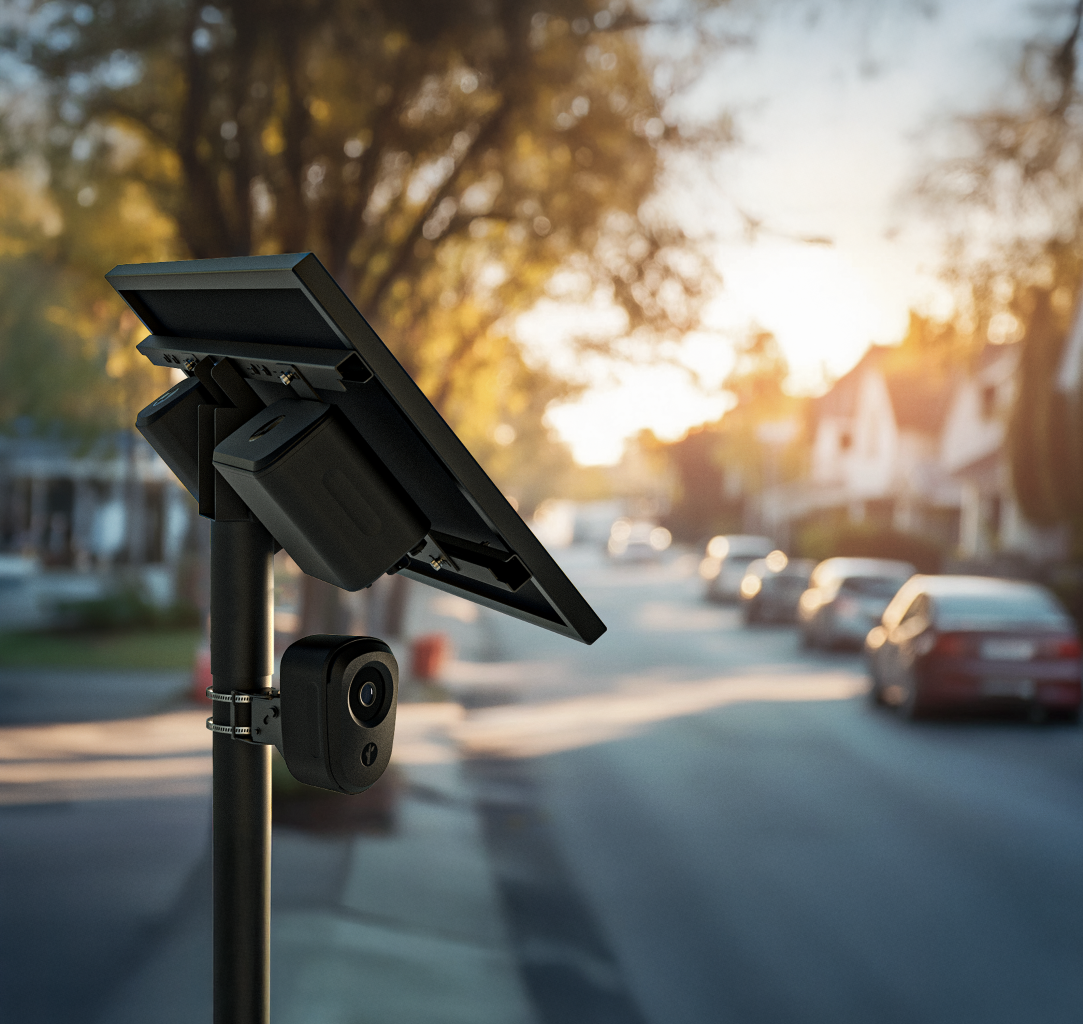
As Florida begins pulling automated license plate readers from state rights-of-way, the St. Petersburg Police Department is declining to say what the statewide crackdown means for its own network of more than 50 Flock cameras.
A Police Department spokesperson told Florida Politics that the agency would not answer additional questions or make further statements about Flock Safety cameras at this time. That includes whether any of St. Petersburg’s cameras are located within state rights-of-way and if the Florida Department of Transportation’s new directive requires any of them to come down.
The lack of response comes at a moment when concerns about the technology are shifting from a local privacy discussion to action at the state level.
FDOT has ordered local governments to remove automated license plate readers from state rights-of-way within 30 days, following Gov. Ron DeSantis’ promise to clear the state rights-of-way of the technology.
The action does not amount to a statewide ban on local Flock programs. DeSantis has estimated that roughly 98% of Florida’s approximately 7,500 license plate readers are locally controlled, and cameras installed on local roads or private property are not automatically covered by the FDOT directive.

That leaves St. Petersburg’s position uncertain.
The city has about 54 Flock cameras in operation, according to Council Vice Chair Richie Floyd, who has pushed City Hall to take a closer look at a surveillance system that largely grew without public debate.
St. Petersburg began using Flock in 2022 through a 25-camera pilot program run by the Police Department. The initial rollout never went before elected officials for a vote.
Two years later, City Council approved a five-year, $730,250 agreement that nearly doubled the network. However, the contract appeared on the consent agenda and passed without questions from Council members or public discussion.
Scrutiny finally arrived last week when Council unanimously agreed Thursday to send the city’s Flock contract and the Police Department’s use of the technology to the Public Services and Infrastructure Committee, setting up a review of the city program.

Police Chief Anthony Holloway has defended the technology as an investigative tool, previously saying officers are “not monitoring people. We’re monitoring incidents.” But echoing the sentiments of many in the community, Floyd has raised concerns about the city’s ability to control what happens to information once Flock possesses it, as well as the tradeoff between public safety and privacy.
St. Petersburg also currently retains its license plate reader data for 30 days. Flock itself recently announced that it is recommending a seven-day default retention period and rolling out additional controls intended to address concerns about misuse, outside-agency searches and suspicious user activity.
Current users must now decide whether to move to the shorter retention period. For now, it is not clear if St. Petersburg police will follow suit.
These questions are no longer confined to City Hall.
Residents packed a DeFlock St. Pete meeting last month, while speakers at City Council last week urged officials to reconsider the system.
The Flock program has also become an issue in St. Petersburg’s mayoral runoff. Former Gov. Charlie Crist has called for a moratorium on the expansion of the network. Mayor Ken Welch has thus far defended the cameras as a public-safety tool.
DeSantis just added a new wrinkle to the debate. The Governor has embraced privacy concerns surrounding automated license plate readers, warning that government and private companies could use large networks of cameras to track the movements of people suspected of no crime.
FDOT’s order gives that criticism concrete consequences for local governments across Florida.
Whether St. Petersburg will continue to support its Flock program or start to pull back remains an open question for now.