
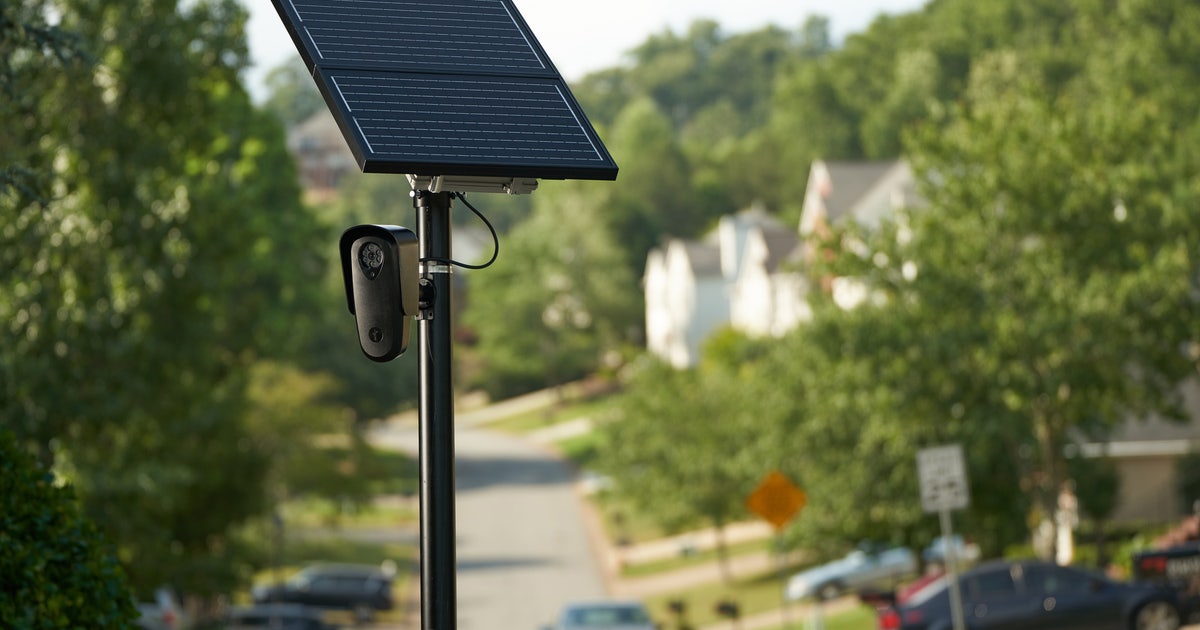
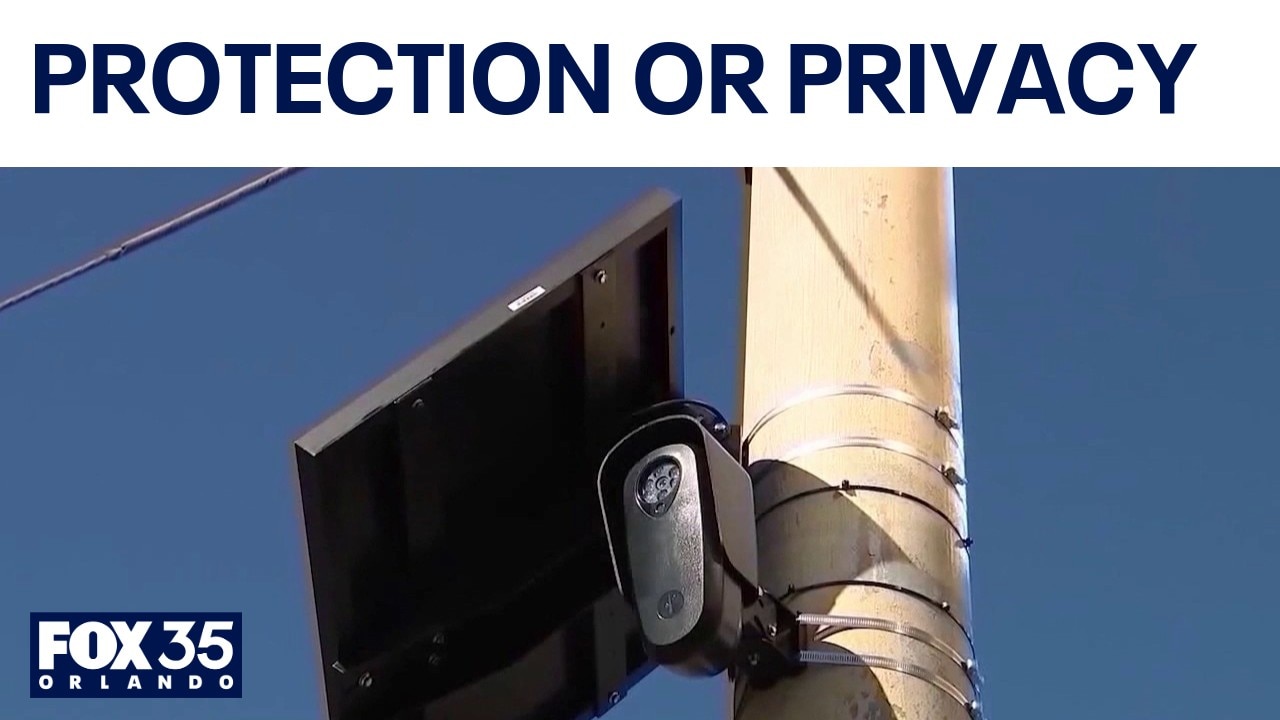
ORLANDO, Fla. – As Florida agencies remove automated license plate readers from state roads, questions remain about why the technology is being targeted while other roadside cameras remain in use.
Privacy advocates say the key difference is how the systems collect and store information.
AI data gathering
Why you should care:
Unlike speed and red-light cameras, which activate only when a driver commits a traffic violation, license plate readers continuously scan passing vehicles, regardless of whether a crime has occurred. The cameras use artificial intelligence to capture license plates along with vehicle make, model, color and distinguishing features such as damage or obscured tags.
The data can be stored in cloud-based databases, shared among agencies nationwide and used in criminal investigations. Critics argue the technology can create detailed records of people’s movements even when they are not suspected of wrongdoing.
By comparison, speed and red-light cameras record vehicles only after a traffic violation occurs. Images tied to drivers who have not violated the law are immediately discarded, and the systems are governed by separate surveillance laws.
“It incorporates a lot of different cameras and sensors but then allows the data not only to be stored but also to be sort of cross,” explained professor Jane Bambauer, of the University of Florida’s Levin College of Law.
Privacy advocates and some law enforcement officials have called for stricter rules governing license plate readers to limit long-term data collection and prevent misuse.
“If you’re doing nothing wrong, then the government should leave you alone,” one digital rights advocate, Rindala Alajaji, of the Electronic Frontier Foundation, said. She argued that the systems collect information on every passing vehicle rather than only those connected to criminal activity.
Supporters of tighter restrictions say reforms should prevent the long-term collection of drivers’ daily travel patterns without suspicion or probable cause while preserving the technology’s value in criminal investigations, “So that there isn’t that ‘forever collection’ of your day-to-day movements without suspicion or probable cause,” Alajaji added.
The Source: This story was written based on information shared by Jane Bambauer, of the University of Florida’s Levin College of Law and Rindala Alajaji, of the Electronic Frontier Foundation.