
As Florida ages, officials confront growing threat of elder exploitation
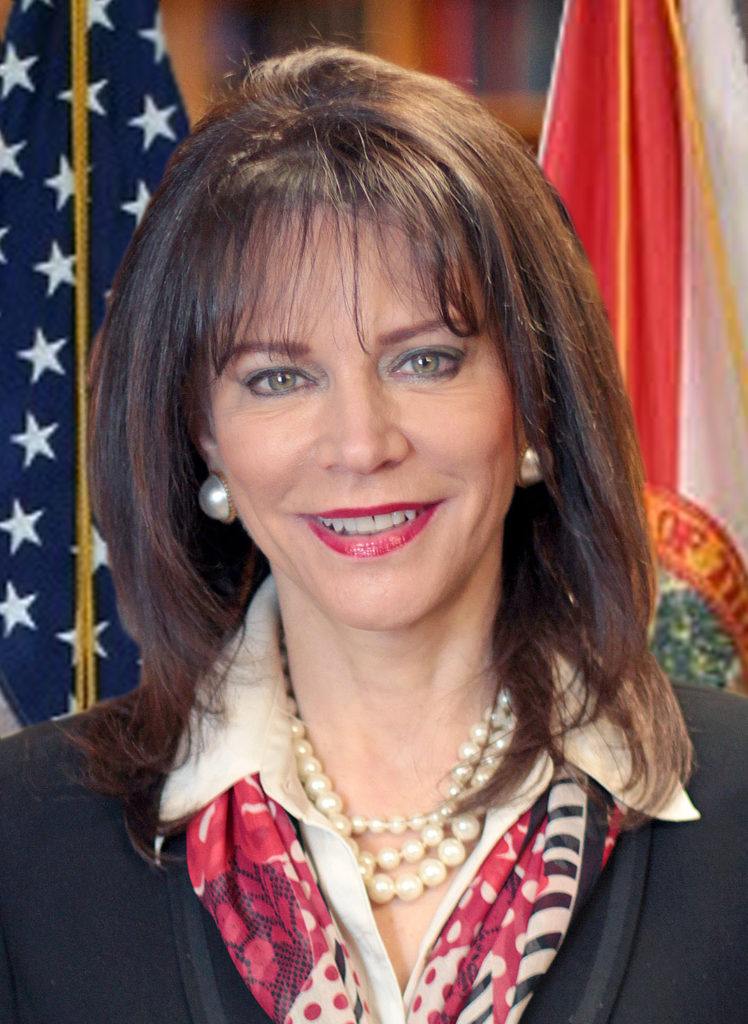
Katherine Fernandez Rundle
A string of Miami-Dade arrests for fraud and exploitation highlights the need to protect a growing population of seniors and vulnerable adults, local officials said.
Miami-Dade Mayor Daniella Levine Cava, Miami-Dade Commissioner René Garcia, and 11th Circuit State Attorney Katherine Fernandez Rundle announced the latest arrest at a press conference on Wednesday.
“These are our parents, our grandparents, our friends, our neighbors, and they deserve to age with dignity, to feel safe, and to know where they can turn when they need help,” Levine Cava said.
Rundle announced the arrest of a 67-year-old Hialeah man who is accused of defrauding his 88-year-old mother and 90-year-old father of $86,000, before the father died last year.
The suspect “used his position of trust” to access his parent’s bank account and drained nearly “everything the couple had,” Fernandez Rundle said.
Working with county and local law enforcement, Rundle’s Elderly & Vulnerable Abuse Task Force has made nearly a dozen arrests.
Two exploiters are serving prison terms, one 20 years, the other 10.5 years, after being convicted by Miami-Dade juries, the officials noted.
The latest report from an EVA Work Group that was formed in 2022 shows that Florida ranks second only to California in having the largest number of residents 65 or older.
However, Florida has the highest percentage of older residents in the nation, and Miami-Dade, with 17%, or 472,132, leads the state, the report found.
About 22% of Miami-Dade seniors, or 106,000, live alone, making them “prime targets for scammers,” the report notes.
“High-level structural issues,” such as a severe shortage of social workers, contribute to the challenge, as does the population’s susceptibility to abuse by relatives, trusted parties, and caregivers granted power of attorney, the report notes.
“Service providers and regulatory/enforcement agencies that together support older and vulnerable adults are experiencing funding and staffing shortages, many of which were exacerbated by the COVID-19 pandemic,” the report found.
Unaffordable long-term care options increase the risk of exploitation, the report notes, as does a “lack of meaningful enforcement by the Agency for Health Care Administration” over assisted living facilities.
Other challenges include:
A “significantly under-resourced” Department of Children and Families abuse registry hotline.
An inability to retain “Adult Protective Investigators,” or APIs, who are paid $37,000 and required to use their own vehicles.
A lack of interagency coordination hampered by confidentiality requirements.
A high burden to launch a financial exploitation investigation. “If the Power of Attorney (POA) is the exploiter, Adult Protective Services does not have subpoena power to obtain bank records or records from other financial institution.”
The report makes a series of recommendations, including:
Higher salaries for APIs to help retain qualified staff and reduce wait times on DCF’s Abuse Hotline.
Creation of a “guardianship-like agency” where a determination of incapacity is not required to meet the needs of those left unserved by the current system.
Enhanced oversight of congregate living facilities, including “requiring licensing and certification of facilities by regulatory agencies that also provide regular inspections and document compliance.”