
ORLANDO, Fla. — Florida’s State University System Board of Governors voted Thursday to ban undocumented students from initial enrollment at public state universities, with the change set to take effect for the 2027-28 academic year.
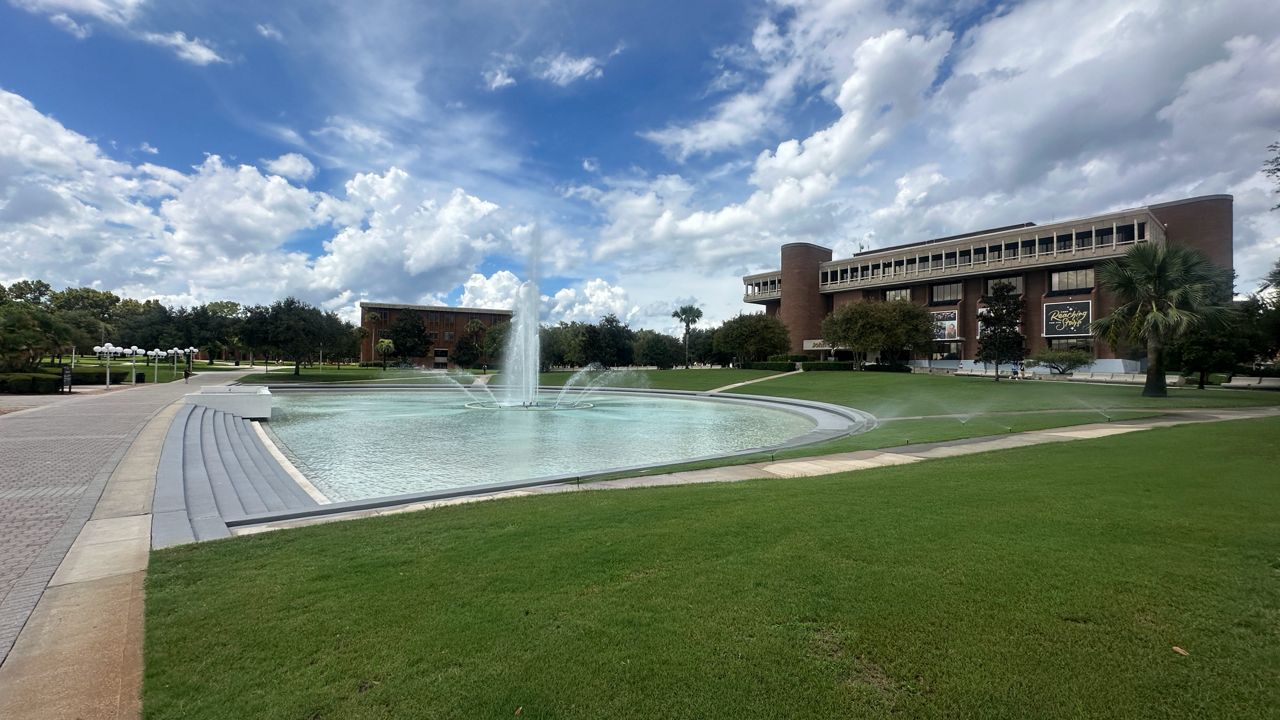
The decision makes Florida the largest state to adopt what are known as “prohibitive enrollment” policies, joining states including Alabama, Georgia and South Carolina. The change could affect thousands of undocumented students who planned to attend one of Florida’s 12 public state universities, including the University of Central Florida.
The new policy reads in part, “beginning with the 2027-28 academic year, a person who is present in the United States unlawfully shall not be eligible for initial enrollment in any state university which, for the two most recent academic years, did not admit all academically qualified applicants, except for cases in which applicants were rejected for nonacademic reasons.”
It remains unclear how the admissions process will change and how the policy will define students “present in the United States unlawfully,” including students who may be undergoing an immigration process.
Alexander Vallejos, a University of Central Florida senior, said the decision was difficult to hear.
“Very heartbroken,” Vallejos said. “Because it felt very personal to me, because I am a Dreamer who grew up in this state and country since I was one-year-old.”
Vallejos said his path through higher education has not been easy.
“I remember when I graduated high school, all I had was just hopes and dreams, where I was ready to work hard. I was ready to give it my all,” Vallejos said. “But that’s when I found out that, oh, I don’t have the same opportunities and privileges.”
The United Faculty of Florida and the Florida Education Association rejected the proposed changes, saying the decision would limit opportunities for students.
“With as many as 8,000 undocumented students graduating from Florida high schools annually and over 50,000 undocumented students enrolled in Florida’s state university system, this move will restrict opportunities for thousands of our brightest students and stifle future economic growth in our state,” the groups said in a statement.
Vallejos said he plans to graduate in May and worries other students will not have the same opportunity.
“Thankfully, I made it to this point where I’m at, or I’m ready to graduate. It’s been a rough road, but I was able to do all these great things and live the American dream because of one thing, and that’s I had the opportunity to prove myself,” Vallejos said.
The change applies to the 12 universities that are in the State University System of Florida. It does not affect the state college system, including schools such as Valencia College and Seminole State College.
Madhurima Paturi, founding attorney at Paturi Law, said the policy does not clearly explain who would fall under the language “present in the United States unlawfully.”
“They didn’t explain a lot,” Paturi said. “They just said present unlawful. So who you are currently unlawful. So, is it somebody who came legally and lost the status or somebody who’s pending the status with the USCIS? They didn’t specifically mention about it.”
Gov. Ron DeSantis supported the decision in a post on X.
“Glad to see the Board of Governors ratify the prohibition on illegal alien students at our colleges and universities. Always need to put Floridians — and Americans — first,” DeSantis wrote.
Paturi said she expects more guidance on how the change will be reflected in the admissions process as the effective date gets closer.
“In Florida, we have a lot of Dreamers, not just Dreamers for immigration; they are real Dreamers. They want to have a big change and impact in the society on their life,” Paturi said. “So we are really losing that access to education for those students. It’s really hard. But just don’t lose the hope yet. I think hopefully we will start getting more information as we get closer.”
UCF declined to comment on the Board of Governors’ decision.