

I’m one of the few Hungerfords left, and I have come to understand that being a Hungerford is less about what my family once gave and more about what we are responsible for carrying forward. My family’s connection to Eatonville began more than a century ago. My great-great-grandparents, Edward and Anna Hungerford, donated the first 40 acres to the Robert Hungerford Charitable Trust to establish a school for African American children. Over time, our family entrusted 160 acres to the trust.
The Robert Hungerford Normal & Industrial School was named for my great-grandfather, Robert Hungerford, a doctor who brought medical care to young African American patients in Florida in the years after the Civil War. After losing their son Robert, my family chose to honor his life through education and opportunity for African American children.
But the story of this land has never been only about the Hungerfords. Eatonville was already a remarkable African American community, established and governed by resilient people determined to build a future for themselves. The Hungerford School became part of that story.
For generations, my family had a role in stewarding the trust. And when that stewardship was threatened, members of my family stepped forward.
In 1937, my relative Elizabeth Hungerford Goodwin, along with the Rev. Richard Wright, brought concerns about the Hungerford property to the Florida attorney general. The resulting legal action ultimately affirmed the public charitable trust and protected the property from an attempted foreclosure.
My grandmother, Constance Hungerford Fenske, carried that responsibility forward. In 1951, she challenged the transfer of the property to the Orange County school system because she believed it would undermine the purpose for which the trust had been established. She fought all the way to the Florida Supreme Court.
These are stories I carry with me. They help explain why this land holds such a deep responsibility for me.
When the property was previously threatened by a private development proposal, I supported the Southern Poverty Law Center and the Association to Preserve the Eatonville Community in their effort to protect it. I believed then that the land’s history and purpose needed to be protected. My convictions about that 2023 lawsuit haven’t changed. Today’s new lawsuit, challenging Orange County Public Schools’ decision to sell the property, is a different matter.
 Today I see an opportunity to move forward with a nonprofit partner I believe can honor the Town of Eatonville and the people that call it home.
I serve on the Dr. Phillips Charities Eatonville Initiative Advisory Committee because I want to be part of that stewardship after the sale of the property. I have asked questions, listened, and spent time understanding the people and plans involved. Through that process, I have come to support Dr. Phillips Charities and its partnership with Orange County Public Schools.
I do not support the current lawsuit because I believe another prolonged legal battle risks keeping this land in limbo when there is an opportunity to put it to work.
The vision being developed includes a cultural museum, early childhood education, health resources, gathering spaces and opportunities to preserve and share Eatonville’s remarkable history and culture. To me, that is what stewardship can look like in this next century.
Preservation does not have to mean keeping something frozen in time. We can honor Eatonville’s great history while creating something that serves people today and gives future generations room to thrive.
And I want to be clear about something: I’m not here to tell Eatonville what its future should be. That belongs to the people who live, work, worship, raise families and build businesses in this community.
My responsibility is different. My family was entrusted with stewarding this land more than a century ago. I believe my responsibility now is to help honor the purpose behind that trust and to stand alongside the community as it determines what comes next.
As the proud mother of three sons, I hope one of them will eventually carry that responsibility forward. For now, the responsibility is all mine.
After decades of uncertainty surrounding this land, I believe the time to move forward is now, and we have an opportunity to do it together as a community.
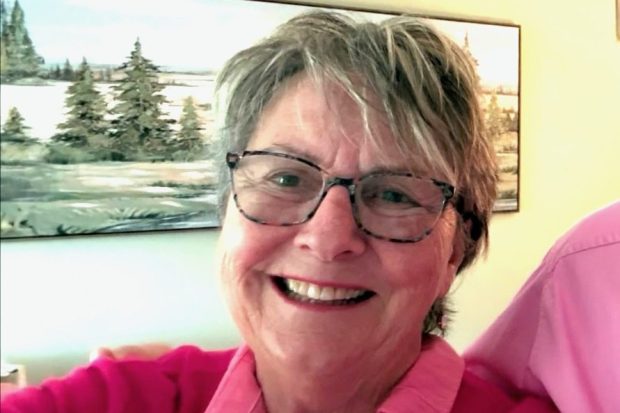
Bea Hatler is the great-granddaughter of Robert Hungerford and a member of the Eatonville Initiative Advisory Committee with Dr. Phillips Charities.